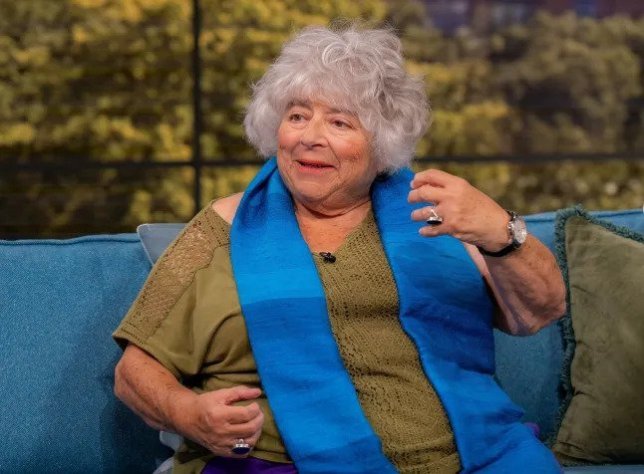
Miriam Margolyes sparks controversy with inappropriate comments on daytime TV
In a recent appearance on ITV’s This Morning, Miriam Margolyes made headlines for her offensive remarks regarding presenter Andi Peters’s racial background, leading to public backlash and criticism, reports BritPanorama.
While promoting her book Miriam’s Full English: A Grand Tour of All Our Best Bits, which examines British identity, Margolyes asked Peters, “What are you? Have you got a black daddy and a white mummy?” She further provoked discomfort by using the term “high yaller,” an antiquated and derogatory phrase used in America. Peters, visibly taken aback, attempted to navigate the awkwardness, urging Margolyes to consider the nervousness of the production staff.
This exchange highlights the tension between Margolyes’s long-established persona as a candid and provocative figure and the contemporary expectations of sensitivity regarding race and identity. Such language is not only outdated but perpetuates harmful stereotypes, raising questions about the responsibility of broadcasters to critique and manage its usage.
Despite her well-documented past of engaging in provocative behavior, the recurrence of such incidents raises issues regarding accountability and the implications of allowing conduct that offends various sensitivities. As an experienced and educated professional in the public eye, Margolyes is more than capable of understanding the gravity of her words. However, the dynamic between the broadcaster and Margolyes suggests complacency in addressing her comments, focusing instead on the sensationalism they generate.
The incident marks yet another chapter in Margolyes’s career, which is filled with moments of both humor and discomfort. While many appreciate her unapologetic demeanor, her recent remarks on This Morning have sparked discussions about cultural appropriation and the evolution of societal norms. This conversation is compounded by the broader recognition of the need for dialogue about race and identity in contemporary Britain.
Despite Margolyes’s ability to draw attention and entertain, her approach risks overshadowing her many contributions to discussions around culture and society. The expectation to evolve alongside public discourse is paramount, and the responsibility lies equally with both the individual and the platforms that promote them. As society grapples with these complexities, the media landscape must navigate the fine line between audience engagement and the reinforcement of outdated stereotypes.
The situation serves as a reminder of the essential nature of respectful conversation. It challenges both broadcasters and public figures like Margolyes to reflect on the impact of their words and actions, particularly in a multicultural society that values inclusivity. Drawing from this incident, a greater sensitivity and awareness can be fostered across media platforms, ensuring that the dialogue surrounding identity remains respectful and constructive.