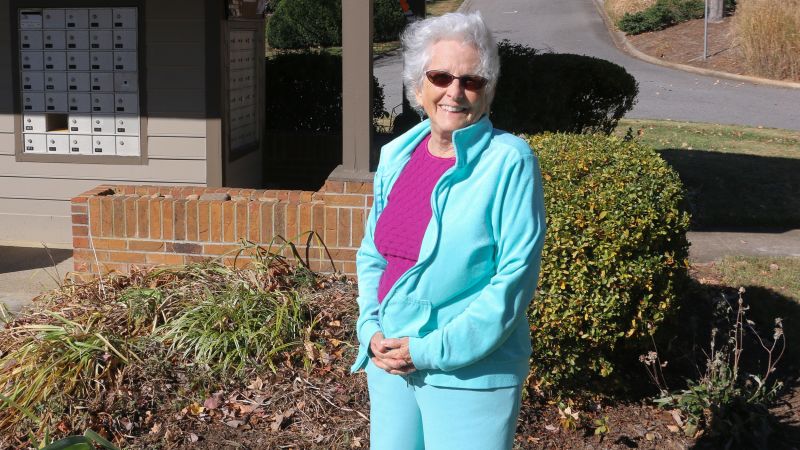
A mutual support pod in Asheville, North Carolina, formed by a group of elderly neighbors, is exploring innovative living arrangements to address the challenges of aging. Following the devastation of Hurricane Helene in 2024, these residents, primarily over 50 years old, have initiated weekly dinners as a means of support and connection, reports BritPanorama.
During these gatherings, the group’s discussions often turn to the realities of aging. Many former social workers and therapists, the pod members share a bond formed through adversity. Despite their various backgrounds, the conversation frequently highlights feelings of loss as friends depart for retirement communities or pass away. The community aims to create a safer and more supportive environment as they navigate the aging process.
Although most do not currently require regular care, the pod employs a “sharegiver” for light assistance, providing support for around five hours a week for tasks like yard work and running errands. This approach reflects a proactive strategy to ensure that members have the support they need as they age, focusing on fostering a caring community rather than relying solely on external assistance.
Inspired by her brother’s initiative, Nancy Miller-Green is advocating for a broader vision: an intergenerational housing model called Stonewall Bridge. This innovative concept would involve younger caregivers living alongside seniors in shared housing, offering mutual support and companionship.
A model for any community
The Stonewall Bridge aims to allow seniors to donate their homes to a nonprofit, receiving care and continued tenancy in return. This model seeks to address not only the challenges of aging at home but also to provide safe, affordable housing for younger caregivers and create intergenerational connections.
Executives from the Stonewall Community Development Corporation, including Paul Nagle, have expressed enthusiasm for the initiative, referencing historical networks of care within LGBTQ communities. He argues that the model could demonstrate how vulnerable populations forge strong support systems, mimicking the informal caregiving networks that emerged during the AIDS crisis in the 1980s.
The program is also developing partnerships in South Florida and New York, aiming to implement the model in communities with sizable LGBTQ populations. Collaboration with organizations focused on retirement planning and philanthropy could pave the way for expanding the original concept to address various community needs.
While the sharegiver model has not yet been formally implemented, the interest it has garnered showcases the urgency for innovative care solutions, particularly for LGBTQ seniors who often lack familial support. Various stakeholders emphasize the importance of community rapport and trust in creating effective care networks.
Angie Perone from the University of California, Berkeley, highlights the importance of establishing community connections, especially as many LGBTQ seniors experience discrimination in traditional care settings. The push for models that allow seniors to remain in their homes is particularly critical for this demographic, which frequently faces unique social challenges.
This vision of intergenerational living is being developed in response to the financial constraints experienced by many seniors. The current housing market is often unaccommodating to aging residents, making the idea of communal living a potentially viable solution for those seeking to remain within familiar environments.
Despite the potential benefits of such a model, there remain significant emotional and practical hurdles. Trust and comfort are paramount, with implications for how seniors select their caregivers. Many residents express concerns over relinquishing their homes, mindful of legacies and expectations tied to property and family.
After the flood
The formation of this pod is a direct response to experiences during Hurricane Helene, which isolated the community for weeks. This shared history solidified relationships among neighbors, who now prioritize mutual aid and support as they face the challenges of aging.
As discussions surrounding these innovative living arrangements continue, there is a collective sense of urgency to explore solutions that not only meet immediate needs but also foster collective well-being. The evolving nature of these relationships underscores the need for continued exploration of supportive community frameworks.
Ultimately, while the Stonewall Bridge model remains in development, it represents a larger conversation about how communities can adapt to the realities of aging in place—especially for those with a history of marginalization.