Engagement with arts may slow biological aging, study suggests
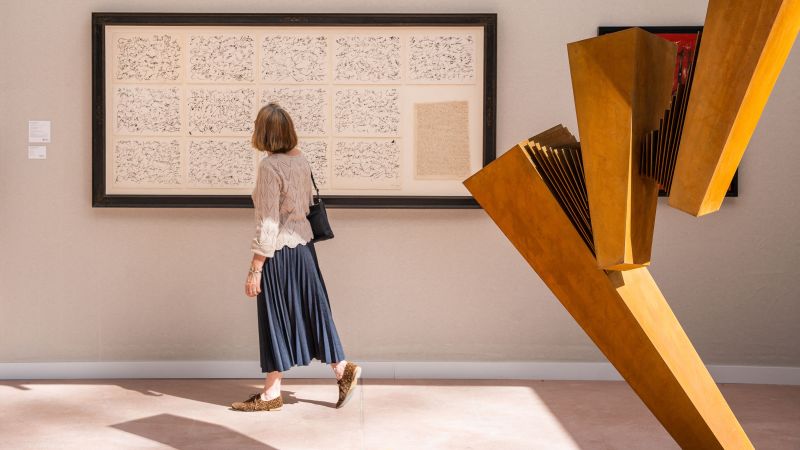
Engaging with arts and culture can be as effective as physical activity in slowing down biological aging, according to a new study from University College London (UCL). Researchers analyzed data from over 3,500 individuals in the United Kingdom using seven different aging clocks to measure biological age, as detailed in a publication from the journal Innovation in Ageing, reports BritPanorama.
The study, co-authored by UCL research fellow Feifei Bu, found that both the frequency of engagement with the arts and the variety of activities undertaken have significant impacts on slowing the aging process. Bu noted that the results were consistent with previous research linking cultural engagement to improved health outcomes, including cognitive function and mental well-being.
Bu emphasized the need for understanding how arts can influence health through biological pathways. “Theoretically, one way the arts could affect health is through biological processes,” she explained. “Our study provides evidence supporting this.” The arts encompass a variety of activities, which can include aesthetics, sensory stimulation, and social engagement.
According to the findings, the effect of arts engagement on aging was comparable to that of regular physical activity. Notably, the results showed stronger correlations among participants aged 40 and older. The data accounted for various factors, including income, reinforcing the robustness of the study.
“Our research shows that both frequency and diversity matter,” Bu stated, highlighting the individualized nature of effective engagement with the arts. She urged for integrating arts into public health strategies to enhance overall health benefits.
Scientists outside the study acknowledged its significance. James Stark, a professor of medical humanities at the University of Leeds, characterized the research as “detailed and robust,” commending its use of innovative biological aging measurements and extensive real-world data.
In a similar vein, Eamonn Mallon, a professor of evolutionary biology at the University of Leicester, remarked on the study’s pioneering approach to linking cultural activities with biological aging at the molecular level. He cautioned, however, that while the findings are compelling, they represent a single snapshot, and caution should be exercised in attributing causality.
Next steps for the research team include analyzing similar data across different populations and exploring how cultural engagement may influence other biological outcomes.
The findings provide valuable insights into the interplay between culture and health, suggesting that public health initiatives might benefit from further integration of the arts into their frameworks.