Tuesday’s first semi-final of the Eurovision Song Contest was marked by considerable controversy and tension, particularly surrounding Israel’s participation amidst ongoing conflict with Palestine. The event witnessed protestors shouting sentiments against Israel while a notable drop in attendance reflected widespread disillusionment among long-time fans, with the BBC reporting viewership down by 0.3 million. Despite attempts to distract from the contentious atmosphere, the fissures within the competition were stark and evident, reports BritPanorama.
Israel’s contestant, Noah Bettan, faced audible protests during his performance, highlighting the geopolitical complexities overshadowing the event. Additionally, the absence of several notable participants, termed the “Big Four,” underscored the competition’s fractured state. The perceived drop in quality of entries suggested that artists may be increasingly reluctant to engage in what has become a fraught platform, further tarnishing the contest’s reputation.
In response to the declining enthusiasm, discussions have emerged regarding potential reforms by the European Broadcasting Union (EBU) to restore integrity and respectability to the event. Among these proposals, the EBU is facing pressure to implement an official vote regarding Israel’s participation, a matter that has polarized audiences and broadcasters alike.
Vote on Israel
While any vote is unlikely to yield substantial change, it remains a point of debate. The EBU previously indicated plans for a vote following a crisis meeting in December but subsequently sidelined the issue after a political ceasefire. Critics argue that broaching the topic of Israel’s participation through an official vote could enhance transparency within the organisation, which has been criticized as excessively secretive.
Further, there have been new voting regulations aimed at limiting paid phone votes per person, currently capped at ten. However, a recent report indicated that even this measure may fall prey to manipulation, with analysis revealing discrepancies in voting patterns that raised questions about fairness in the competition.
Further limit phone votes
This investigation into the voting process suggested that Israel’s high number of votes, notably from Spain, was disproportionate to the country’s general political stance, hinting at the possibility of coordinated voting efforts among groups sympathetic to Israel. This raises concerns about the effectiveness of existing regulations designed to ensure fair competition.
The EBU’s insistence that the new voting limits allow fairer distribution of votes has been met with skepticism, as critics point out that allowing multiple votes only benefits those with strong support bases and reinforces the existing divides within the contest.
Punish rule-breakers
The EBU has vowed to crack down on promotional excesses that impact the competition’s integrity, spurred by allegations regarding Israel’s extensive marketing investments in the contest. Such financial maneuvers, particularly those implemented in recent years, have led to calls for stronger regulatory measures to ensure fairness across all participating nations.
Regardless, recent rule violations by Israel’s representatives have resulted in negligible repercussions, creating a perception of ineffectiveness within the organization. This failure to address alleged breaches undermines the credibility of the EBU and the contest as a whole.
Drop the message
The 2023 contest slogan of “United by Music,” which reflected solidarity amidst the Ukraine crisis, contrasts sharply with the divisive sentiments accompanying this year’s event. While the intent of spreading harmony remains, the overwhelming tension and ongoing controversies surrounding Israel’s role in the contest have led to a disillusioned atmosphere among both participants and spectators.
Hosts of the semi-final attempted to convey messages of unity, yet many attendees were visibly sceptical. As the contest strives for an apolitical image, the resultant undercurrents of dissent overshadow the original objectives, illuminating the challenge of accommodating multiple political narratives within a cultural festival.
Consider downsizing
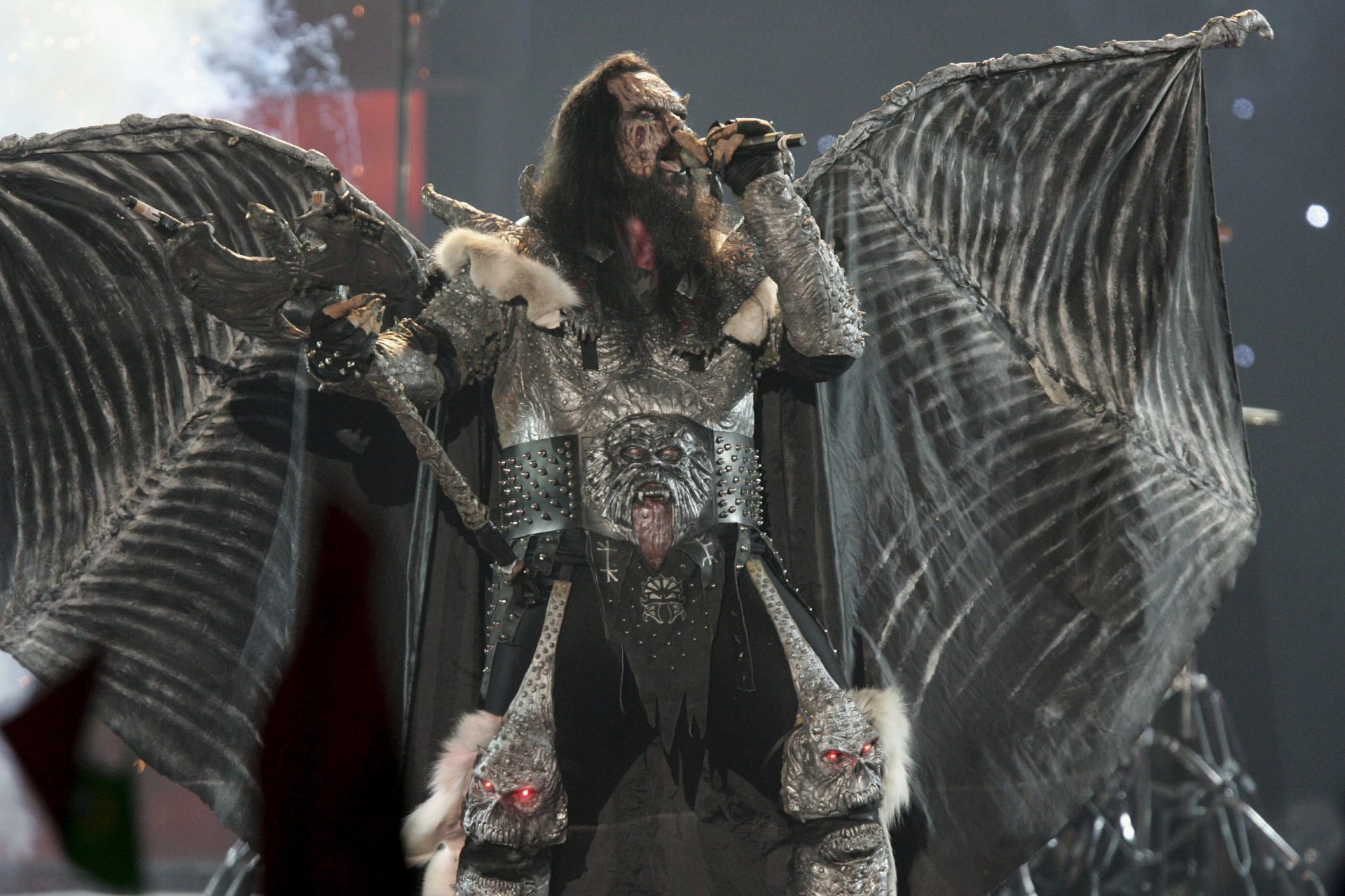
Finally, the staging and presentation of this year’s Eurovision have drawn critical attention. Observers noted issues with both the scale of the venue and the reliance on technology and artificial elements, detracting from the live performances. The overwhelming settings in some instances have left participants dwarfed and struggling to engage effectively with the audience.
A renewed focus on the musical component itself rather than on elaborate staging and performance gimmicks may be essential to restoring the integrity of the event. Ultimately, the Eurovision Song Contest faces significant challenges, and how it navigates these complexities will determine its future relevance amidst a rapidly changing cultural landscape.