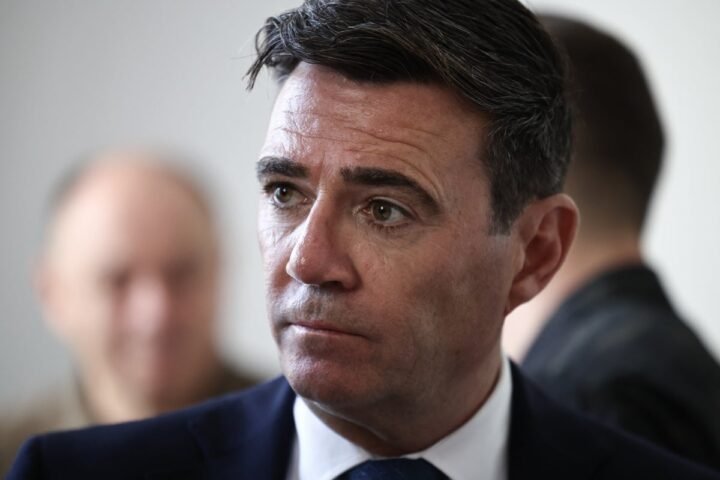
Keir Starmer is facing mounting pressure, with close to 100 Labour MPs calling for him to step down or to provide a timetable for his exit from office, reports BritPanorama.
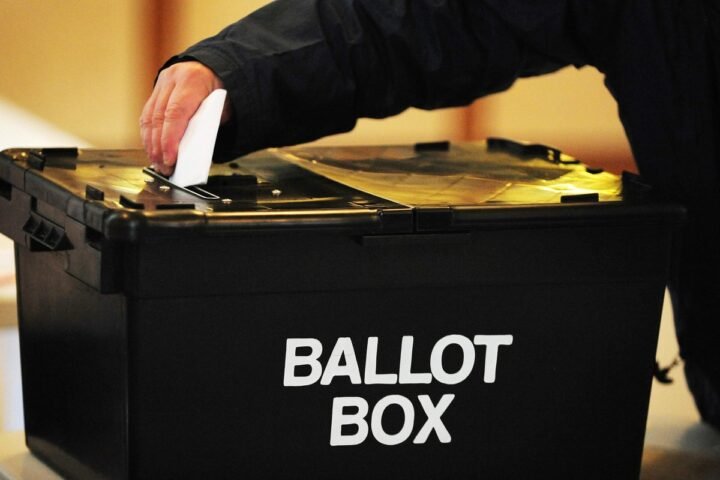
In the wake of poor local election results for the Labour Party, speculation is intensifying about a potential leadership challenge. Observers are questioning whether these political troubles could draw the monarchy into the political arena.
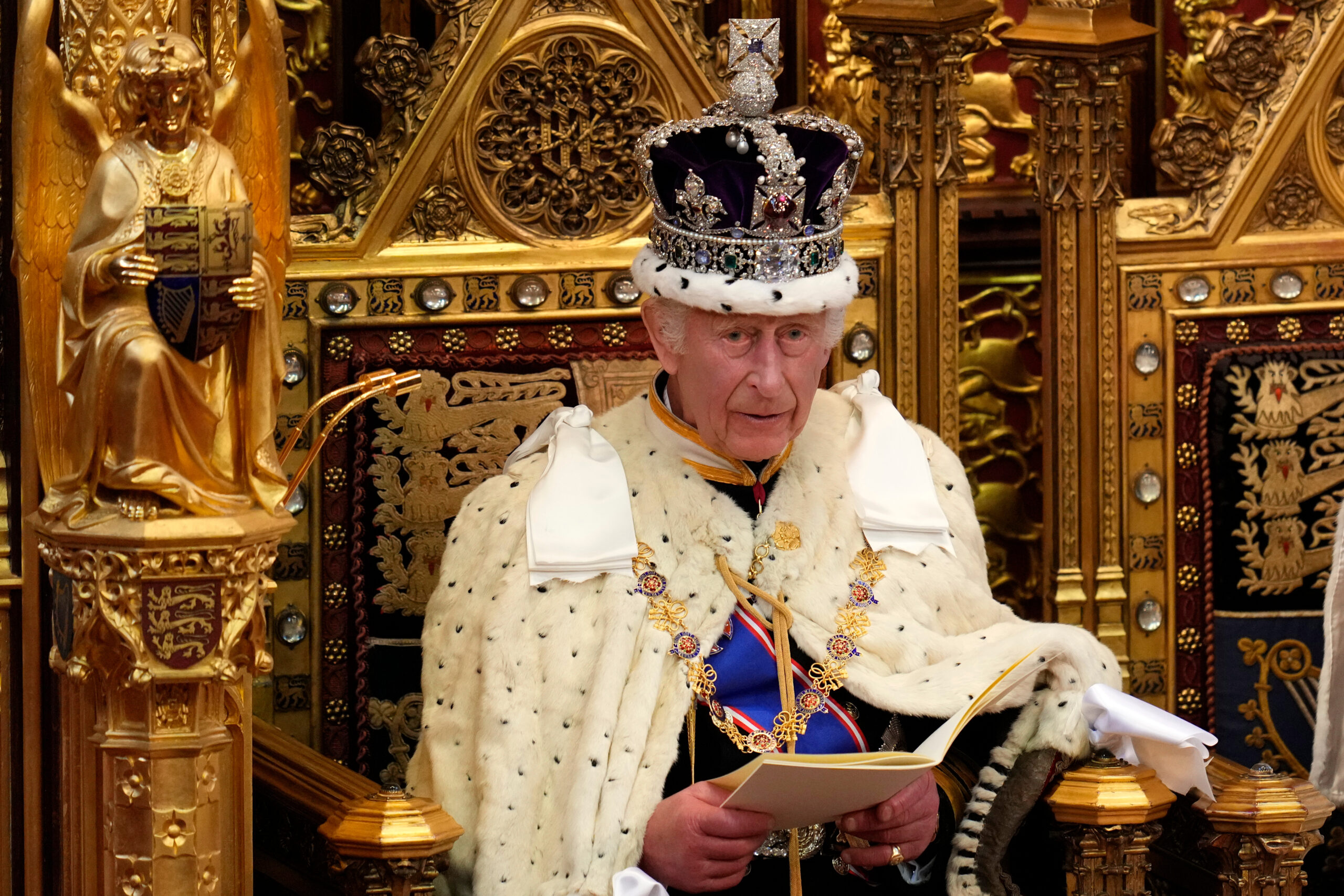
The UK political landscape is uniquely structured, where the monarch holds constitutional authority, including the power to dissolve Parliament and call for general elections. Traditionally, this power is executed on the advice of the Prime Minister, but only if the situation warrants such a drastic measure.
In a parliamentary democracy, Parliament typically dissolves every five years, but this can occur sooner through royal proclamation. This power was notably modified by the Fixed-term Parliaments Act of 2011, which restricted the monarch’s prerogative, necessitating a two-thirds majority in the House of Commons for an early election, as seen when Theresa May triggered the 2017 snap election.
However, the Dissolution and Calling of Parliament Act 2022 returned this power to the monarch, enabling King Charles III to agree to the dissolution requested by then-Prime Minister Rishi Sunak for the 2024 general election. This led to the Labour Party’s significant victory, gaining a 174-seat majority.
Starmer’s leadership is now under scrutiny not just from within the party but also concerning its implications for a potentially unstable Parliament. Notably, the Lascelles Principles suggest that the King may refuse a dissolution if the current Parliament remains viable or if an election would harm the national interest. Even if Starmer were to resign, Labour’s majority could allow a new leader to be selected internally without necessitating a public vote.
Has a King or Queen dissolved Parliament before?
Indeed, the monarch has historically dissolved Parliament on the Prime Minister’s advice, with the most recent dissolution occurring on May 30, 2024, at King Charles’s direction. This dissolution marked a significant political shift, leading to the end of 14 years of Conservative governance.
Under the Fixed-term Parliaments Act, the processes for elections diverged from traditional norms, with statutory dissolution equating to the ordinary procedure, coupled with instances where electoral outcomes stemmed from parliamentary votes rather than royal prerogatives.
This shift underscores the continuing evolution of the UK’s parliamentary framework, where the balance of power between elected officials and the monarchy remains a critical aspect of governance.
As the situation unfolds, the implications for Labour and the broader political landscape will warrant close observation. The interplay between internal party dynamics and constitutional prerogatives could shape the UK’s governance for years to come.