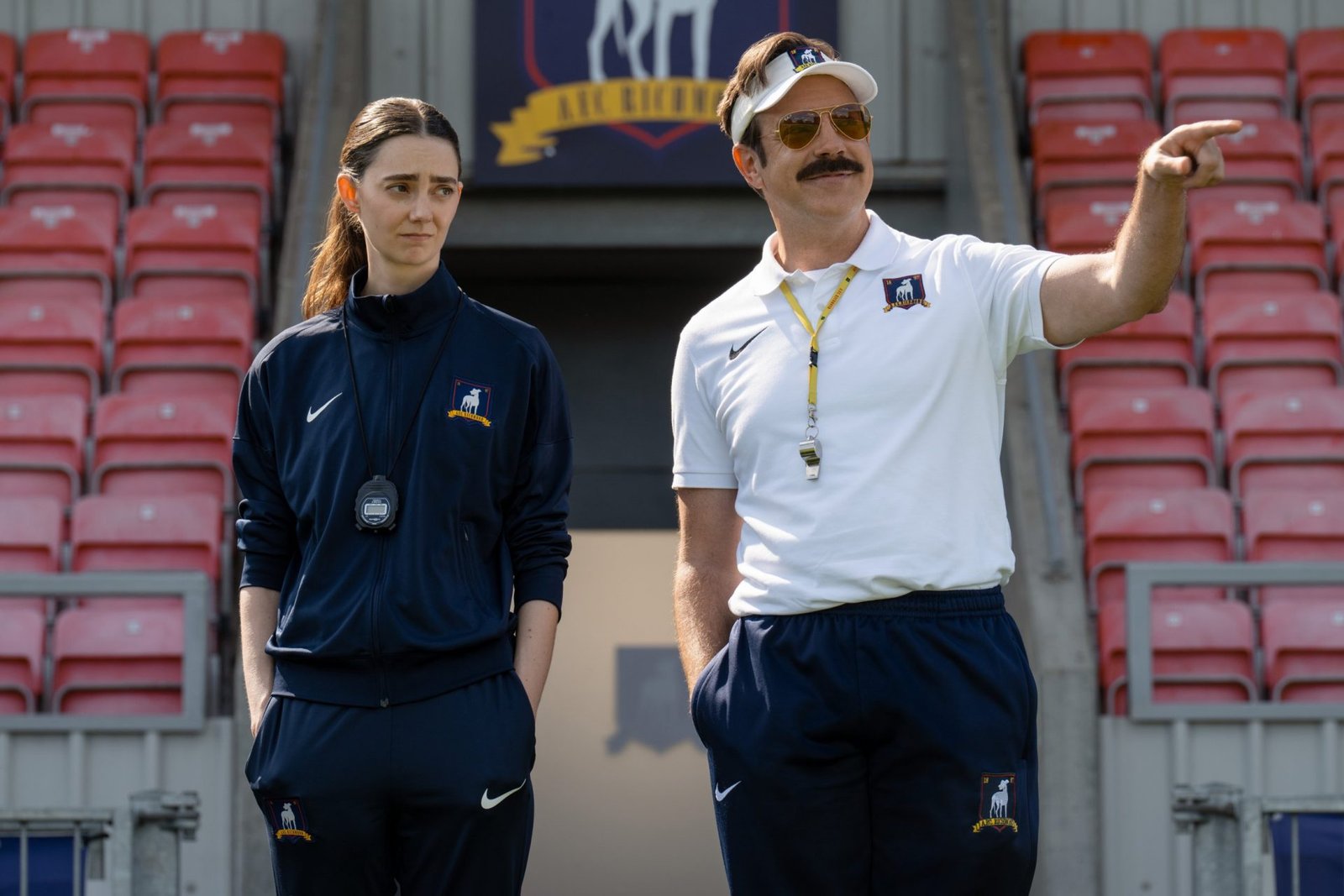
Ted Lasso season 4 debuts amidst World Cup controversies
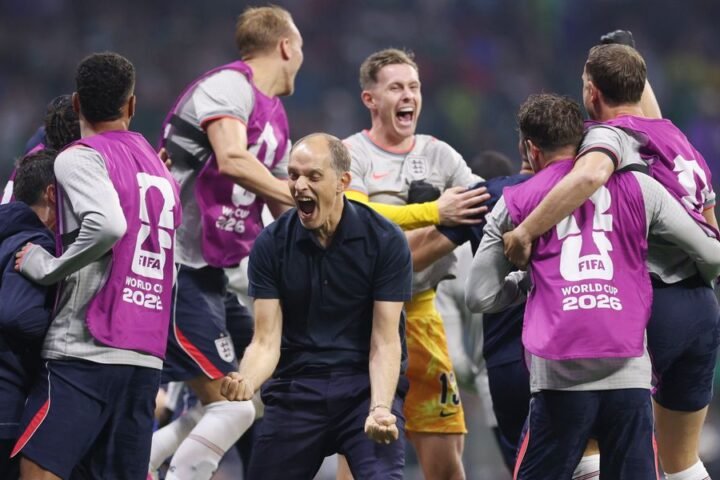
The fourth season of Ted Lasso premiered soon after the conclusion of the controversial World Cup 2026, which has drawn criticism for FIFA’s commercialization and spectacle over genuine footballing spirit, reports BritPanorama.
As football enthusiasts reflected on a tournament marked by questionable decisions—such as cancelled red cards and excessive branding—many found the event less about sport and more about marketing gimmicks. The final, held at MetLife Stadium, featured a notably uninspiring half-time show by Chris Martin, contributing to an overall atmosphere of disappointment as the much-anticipated event unfolded.
During the final, actor Jason Sudeikis made headlines with an unexpected appearance as his character Lasso, using the moment to promote the return of the show rather than celebrating the match itself. His intervention exemplified the growing trend of blending entertainment with sporting events, albeit to the chagrin of many fans.
This unexpected marketing ploy came after FIFA president Gianni Infantino’s controversial suggestion of outsourcing parts of the World Cup to a private consortium linked to the Trump family, a move that was quickly quashed but emphasized the prevailing criticisms of FIFA’s governance.
The original idea for Ted Lasso was a trilogy focused on an American football coach navigating the world of UK football. However, its unexpected success led to the addition of a fourth season, further exploring the whimsical narrative of Lasso as he returns to coach the women’s team at AFC Richmond. This new storyline aims to address issues like the treatment of women in sports, although it risks trivializing serious discussions within a context of light-heartedness.
This season has scenes that confront the underrepresentation of women’s football, showcasing Ted’s efforts to elevate the women’s team amid a backdrop of inadequate facilities and media bias. However, quick pivots back to feel-good narratives dilute the gravity of these issues, glossing over complexities that real-life football supporters grapple with daily.
Fans of the sport often describe their experience as one fraught with emotional highs and lows—moments of elation interspersed with deep frustration. This stark contrast to the saccharine tone of Ted Lasso presents a fundamental disconnect between authentic football culture and the series’ portrayal, which many view as idealistic and overly positive.
Furthermore, the emergence of other series aiming to sanitise football’s image, such as Welcome to Wrexham and Built in Birmingham: Brady and the Blues, suggests a trend towards entertainment rather than genuine football storytelling. These narratives risk reinforcing a superficial view of the sport, ignoring the enduring challenges faced by true supporters.
This tendency for feel-good productions to overshadow the reality of football may cater to broader audiences at the expense of the sport’s true nature, prompting a conversation about the authenticity of football media in a commercialized landscape.
New episodes of ‘Ted Lasso’ stream on Wednesdays on Apple TV.