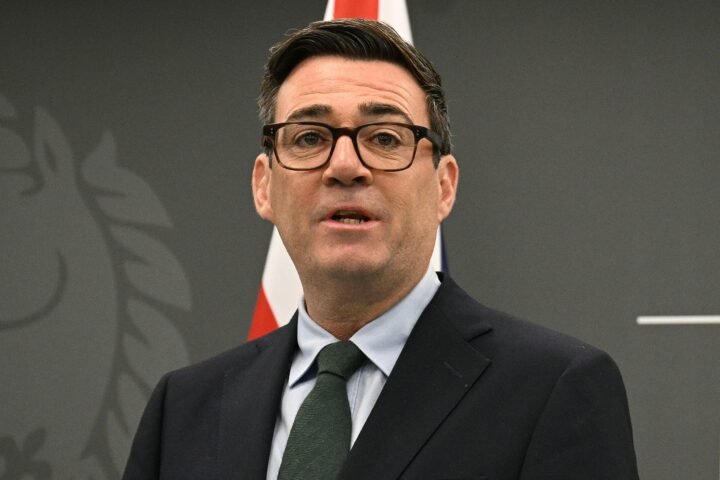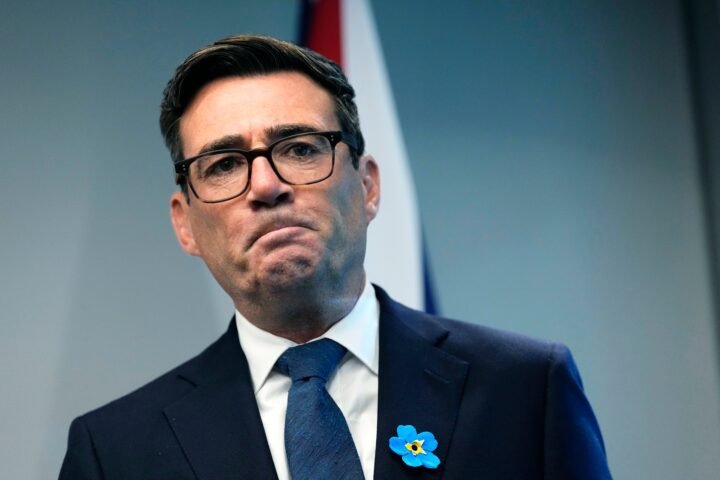
Labour faces accusations of hypocrisy over political donations
The Labour Party has been criticized for perceived hypocrisy regarding significant political donations, particularly in light of a recent £72 million contribution to Reform UK from two cryptocurrency billionaires, reports BritPanorama.
Government officials have suggested that such donations represent an attempt to buy influence within British politics. In contrast, Labour has received nearly £43 million from trade unions since 2020, coinciding with the party’s introduction of legislation that aligns with union interests.
Labour’s new Employment Rights Act 2025 facilitates union operations, making it simpler for them to recruit members, ballot for industrial action, and engage in rolling strikes.
This week, senior minister Louise Haigh announced measures aimed at easing the process for employees to request remote work, a move welcomed by Trades Union Congress chief Paul Nowak.
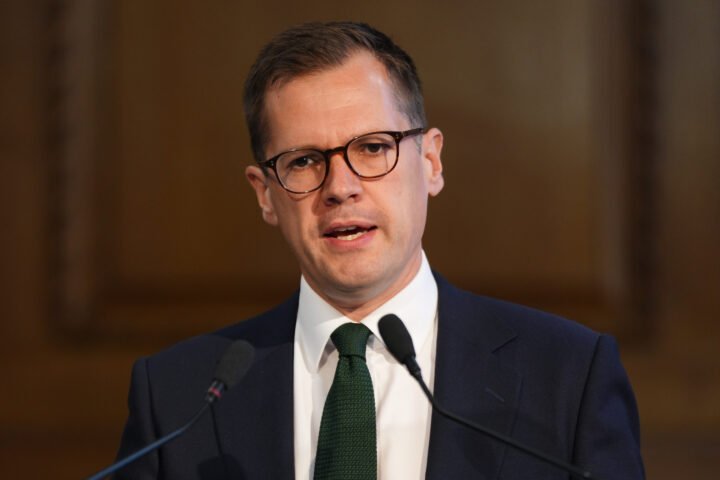
In response to the criticisms regarding their funding sources, Reform UK’s Robert Jenrick labeled the government’s stance as “hypocrisy off the charts.” Shadow Business Secretary Julia Lopez echoed these sentiments by claiming that unions are impacting policy decisions.
However, Labour and TUC representatives defended their funding, labeling it as the “cleanest money” in politics. They noted, “There’s a world of difference between money donated by hundreds of thousands of nurses, cleaners, and teaching assistants through unions and millions of pounds donated to Reform by a handful of crypto billionaires.” Labour emphasized its commitment to advocate for working people.
This narrative reflects an ongoing tension in UK politics regarding the influence of money, particularly from wealthy individuals versus grassroots organizations. The discourse around political funding will likely continue as parties position themselves in the lead-up to future elections.
The implications of such financial arrangements not only raise questions about transparency but also challenge the integrity of political platforms in representing the interests of the electorate, presenting a complex landscape for voters to navigate.