This year’s Booker shortlist features two previous winners, Douglas Stuart and Marlon James, reports BritPanorama.
Only four authors have won twice before: Margaret Atwood, Peter Carey, JM Coetzee, and Hilary Mantel. This distinguished group raises questions about whether either Stuart or James truly belong alongside them.
All of the writing across this stylish shortlist is described as being blisteringly alive. The list encapsulates a range of experience, from debut novelist Rebecca Perry to octogenarian M John Harrison, who has been publishing fiction since the early 1970s.
The potential for a British winner exists for the third consecutive year, with three English authors and one Scottish-American in the mix, complemented by an American and a Jamaican.
Humour runs through these novels, which tackle some weighty topics, including a focus on violence and the role of art amidst global crises.
Here is an overview of the six shortlisted books…
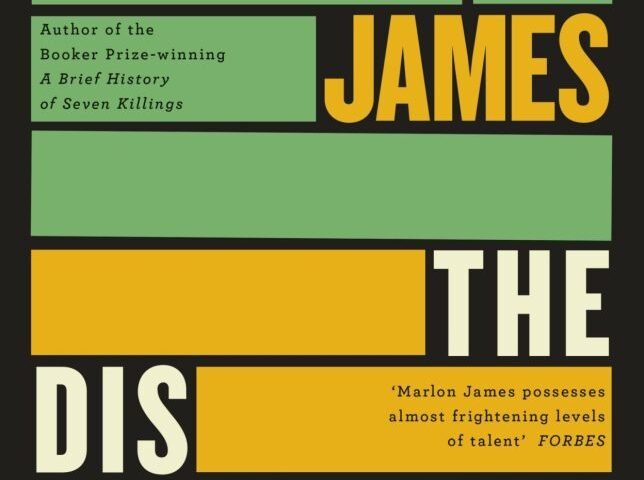
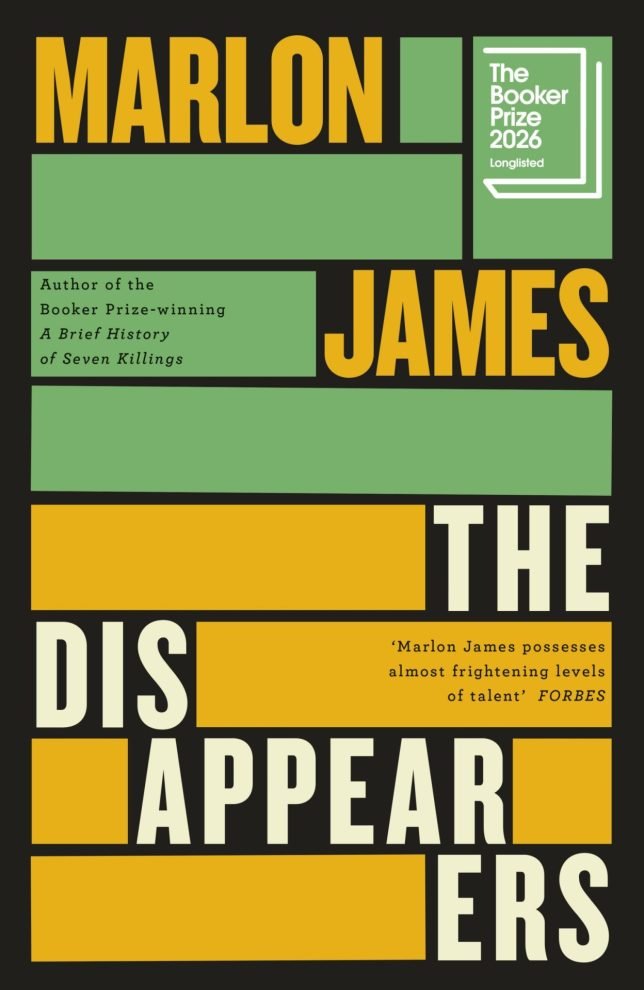
The Disappearers by Marlon James (Hamish Hamilton, £20)

James won the Booker in 2015 for A Brief History of Seven Killings. His latest novel, acclaimed in The New York Times as “the novel of the decade and possibly of the century,” is likely to be this year’s front-runner. Based on a real rumored homophobic attack in 80s Jamaica during the height of the Aids epidemic, the novel addresses significant social issues.
Continuing his tradition as an urgent chronicler of history, James fills his work with the voices of his characters and the power of his imagination. However, like Seven Killings, it is dense and might elicit more admiration than enjoyment. While it is a candidate for the win, it arguably should not claim the prize.
John of John by Douglas Stuart (Picador, £20)

The last debut novelist to win the Booker returns with his third novel, focusing on the art student Cal who comes back to the Hebridean island of his youth. Cal faces tension between his past and his current desires, wrought with secrets held by his taciturn father, John.
The narrative presents a poignant exploration of identity, particularly for a gay man navigating the claustrophobia of provincial life in the 90s. Cal’s grandmother emerges as a notable character, yet the emotive qualities risk veering into sentimentality.
Black Bag by Luke Kennard (John Murray, £18.99)

Kennard’s surreal novel, based on a psychological experiment from the 1960s, centers on a struggling actor hired to wear a black bag and sit silently in a lecture. The narrative offers an amusing yet critical examination of academic life.
While its opening delivers a captivating energy reminiscent of Martin Amis in his prime, Kennard struggles to maintain this momentum, leading to a somewhat disjointed conclusion. His poetic talents shine through, yet the form may suit verse better than prose.
The Things We Never Say by Elizabeth Strout (Hamish Hamilton, £18.99)

Artie Dam, a 57-year-old history teacher, navigates life-threatening events and personal revelations against the backdrop of the 2024 US presidential election in Strout’s novel. The interplay of personal and political themes offers a sharp reflection on contemporary experience.
Despite potential risks of datedness due to its political ties, Strout’s insightful portrayal of Artie and his rich internal landscape imbues the narrative with lasting significance. It deftly addresses themes of family and individual agency within history while maintaining a strikingly refined prose style.
Ultimately, this compact yet profound novel resonates strongly, emerging as a contender worthy of recognition amidst lengthier narratives.
The End of Everything by M John Harrison (Serpent’s Tail, £16.99)

Harrison’s novel is set in a near-future Kent town, marked by gentrification and environmental degradation. The dual protagonists, Phillip and his aunt Marnie, confront the alien entity known as the iGhetti, alongside the remnants of their world.
With sharp social commentary, the work engages with contemporary nihilism, provoking readers to consider the implications of complacency in today’s society, positioning the novel as an intriguing contender for the prize.
May We Feed The King by Rebecca Perry (Granta, £14.99)