Archaeologists have discovered the earliest evidence of psychoactive cannabis consumption in a tomb dating back nearly 3,000 years, according to a new study, reports BritPanorama.
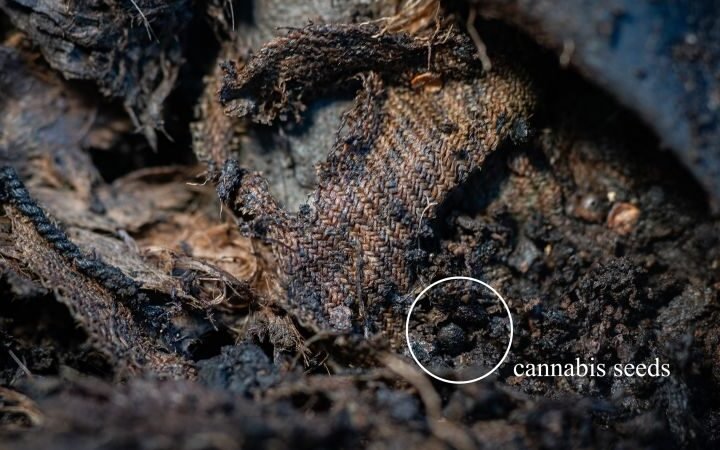
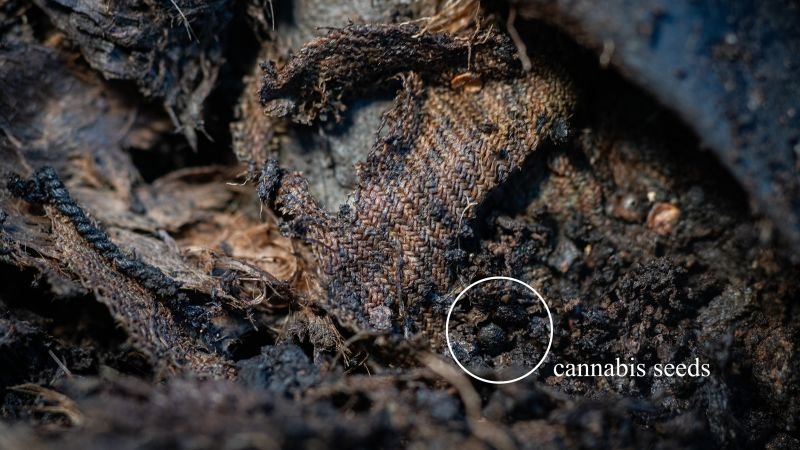
Preserved cannabis seeds and human hair were found at an elite tomb in southern Siberia, lead study author Gino Caspari from the University of Bern, Switzerland, explained. The research team, engaged at this site since 2017, determined that the tomb dates from around 2,800 years ago, during the earliest Scythian period.
Caspari remarked, “There is a lot of speculation about prehistoric use of plant-based drugs, but through this find we are actually able to show that there is a basis to it.” The site, located in the Uyuk Valley, contains remains of various high-status individuals. During the excavation, the team recovered over 1,400 cannabis seeds, which they dated using radiocarbon techniques.
Drug-testing ancient remains
The team also identified preserved human hair, which was examined with a mass spectrometer. Caspari noted that “Surviving plant remains which are almost 3,000 years old are extremely rare,” adding that it is even more uncommon to find them alongside human soft tissue.
The analysis revealed that the hair tested positive for THC (delta-9-tetrahydrocannabinol) and cannabinol, indicating use of the plant for its psychoactive properties. “That was just an amazing moment,” Caspari remarked, emphasizing how this discovery enriches understanding of cannabis consumption history, which until now had shown evidence of use dating back 2,500 years in Central Asia.
Caspari expressed the significance of the tomb’s findings in relation to shamanistic beliefs and possible ritual contexts for the cannabis use. He stated, “Since we have dozens of sacrificed horses and some potential human sacrifices, it might also have been used to sedate the victims before something bad happened to them — but we cannot prove that.”
Furthermore, he noted the need for greater understanding of the crop’s historical context, stating that “surprisingly little is known about the deep time cultural history of this important crop.” He reaffirmed that the findings provide “at least 3,000 years of psychoactive cannabis consumption on the Eurasian continent,” suggesting a cultural anchor point for discussions around legalization and medical use today.
The team is now sequencing the ancient DNA of the seeds found at the site. “Having well-preserved plant DNA is even rarer than having plant remains and this is the oldest preserved cannabis DNA,” Caspari explained.
Roger Forshaw, an honorary lecturer in biomedical Egyptology at the University of Manchester, who was not involved in the study, commented that the research offers “fascinating insights into the use of cannabis among early Iron Age communities in Central Asia, a practice for which direct archaeological evidence has previously been scarce.”
The study was published Thursday in the journal Science.