Betfred withdraws sponsorship of British Classics amid tax hikes
Betfred has announced the withdrawal of its sponsorship from the prestigious British Classics horseracing events, attributing the decision to recent increases in betting taxes implemented by Chancellor John Healey, reports BritPanorama.
The company described the decision as “sad,” stating that the recent rise in the Machine Games Duty from 20 to 25 percent, part of last week’s Budget, played a crucial role in this outcome. This tax adjustment aims to support cost-of-living handouts for 20 million families across the UK.
As a result of the tax hikes, Betfred warned of potentially significant job losses, compounding existing difficulties following a previous tax increase enforced by Labour shadow minister Rachel Reeves last year. Industry experts suggest that this hike in taxes could lead to approximately 9,000 job losses and the closure of nearly 1,000 betting shops nationwide.
A Betfred spokesperson expressed regret over the necessity of this decision, highlighting that the cumulative effects of successive tax increases have left the company with “no choice.” The spokesperson stated, “It is not a decision we wanted to make, but the cumulative cost of government policy has left us with no choice.”
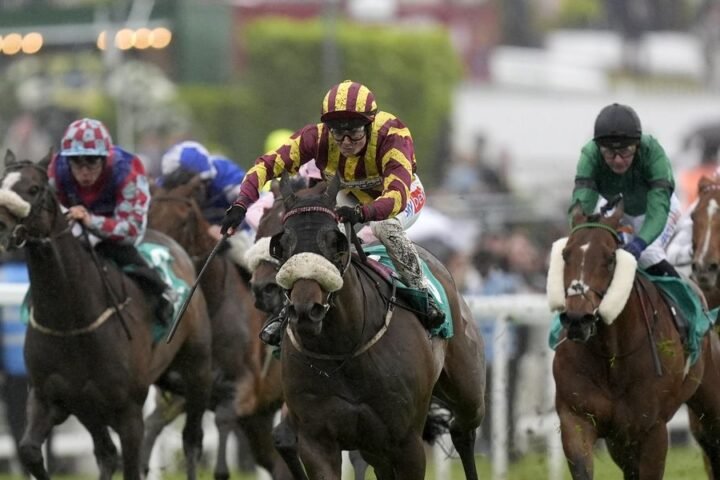
The British Classics, which include the Guineas Stakes at Newmarket, the Epsom Derby, and the St Leger Stakes at Doncaster, are major events in the horseracing calendar that typically attract significant sponsorship and public attention.
Parallel to Betfred’s decision, the betting giant Flutter announced job cuts impacting about 1,400 employees, reflecting the sector’s ongoing challenges. Flutter, which oversees prominent betting brands such as Paddy Power and Sky Bet, plans to reduce its workforce by approximately 15 percent due to similar regulatory pressures.
The situation underscores ongoing tensions between the government and betting companies, with industry analysts warning that the current tax regime could jeopardize livelihoods within the sector, already grappling with substantial financial burdens from previous fiscal measures over the past few years.
The ramifications of these changes will likely resonate within the broader context of the UK economy, highlighting the challenging balance between taxation and industry sustainability in a time of escalating living costs.
As the conversation surrounding betting regulations continues, it raises critical questions about the long-term viability of the industry in the face of mounting fiscal pressures.