Radio 1 faces significant shake-up in programming
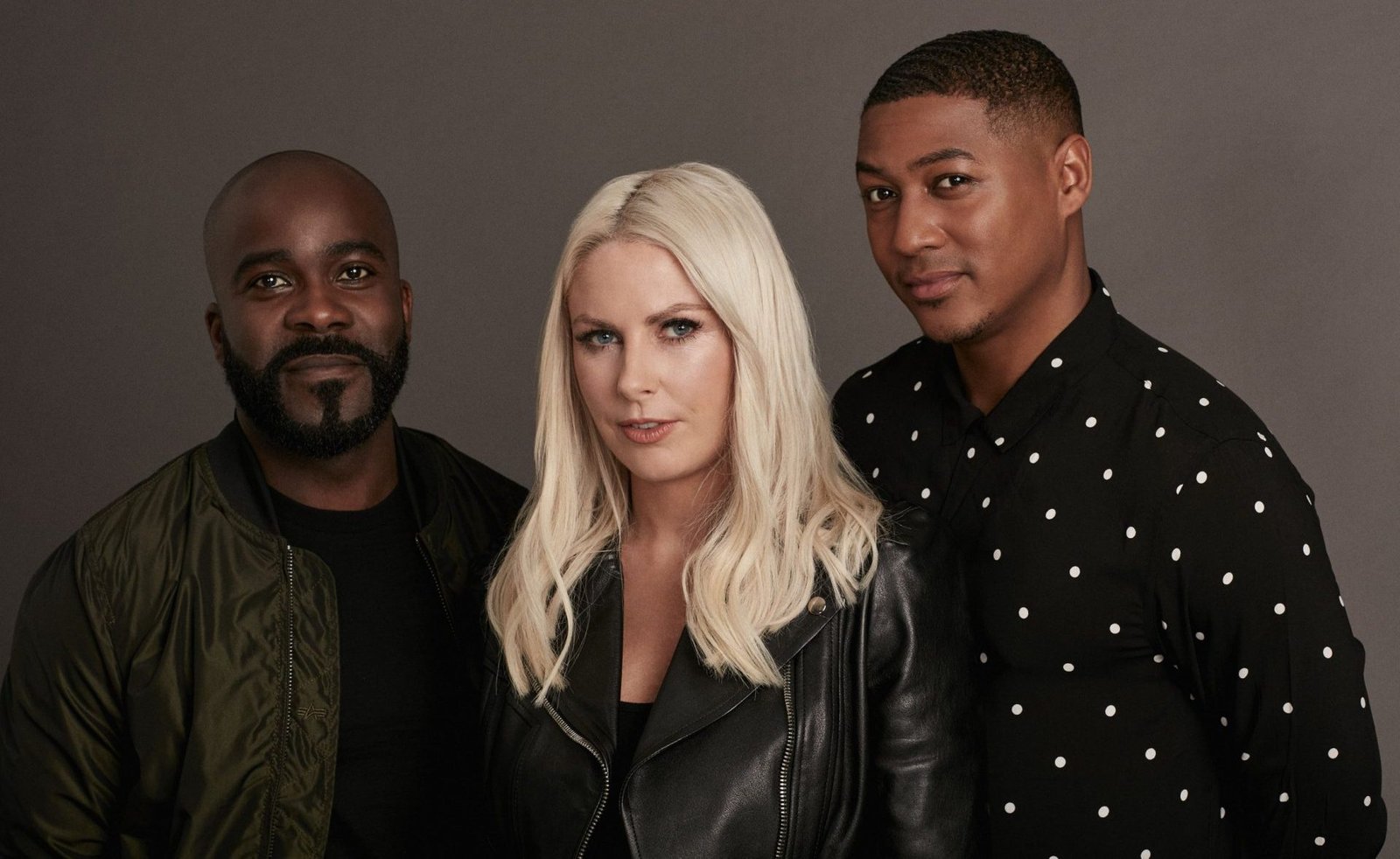
Radio 1 has announced a substantial reshuffle of its schedule, resulting in the departure of six presenters, including Melvin Odoom, Rickie Haywood-Williams, and Dean McCullough. The changes also introduce new TikTok stars GK Barry and Charley Marlowe to the line-up, prompting a familiar outcry concerning the hiring of content creators over experienced DJs, reports BritPanorama.
The shake-up is seen as a misguided attempt to appeal to younger audiences, as the station continues to struggle amidst competition from social media, podcasts, and streaming services. Listeners express concern that the essence of what made Radio 1 significant is being lost in the pursuit of a demographic that appears increasingly disengaged from traditional radio.
While the influx of popular “content creators” may draw some attention, critics argue that genuine connection and broadcasting skill are essential components that cannot be traded for social media popularity. The ongoing challenge stems from the deeper issues the station faces, as it grapples with evolving listener habits and preferences.
The departure of notable figures raises questions about the future of programming, with particular emphasis on the sustainability of hosts like Greg James, whose show is one of the last remaining hallmarks of Radio 1’s vibrant past. His programme maintains a dedicated community, illustrating the station’s historical significance in fostering a shared cultural experience.
As budget cuts and changing media landscapes stress the BBC, Radio 1’s role as a unifying force is under scrutiny. The rise of algorithm-driven content and niche interests has contributed to a fragmented media environment, challenging the traditional listenership that once thrived on the communal aspect of radio programming.
Despite these obstacles, the enduring appeal of live radio—its immediacy and personal connection—remains. This sentiment underscores the need for Radio 1 to refocus its strategy, potentially targeting older millennials who still have a nostalgic attachment to the station rather than solely pursuing a younger demographic that might not relate to its legacy.
As Radio 1 undergoes these significant shifts, the need for thoughtful dialogue about its future is paramount. The station can best serve its audience by leveraging nostalgia for its past while adapting to the current media landscape. A concerted effort toward reconnecting with its original listeners may provide a pathway for reclaiming relevance in a competitive environment.