Ancient remains of metalworker in Upton Lovell identify as female
DNA analysis has revealed that the 4,000-year-old skeleton once believed to belong to a male metalworker is, in fact, female, challenging long-standing perceptions about ancient British society, reports BritPanorama.
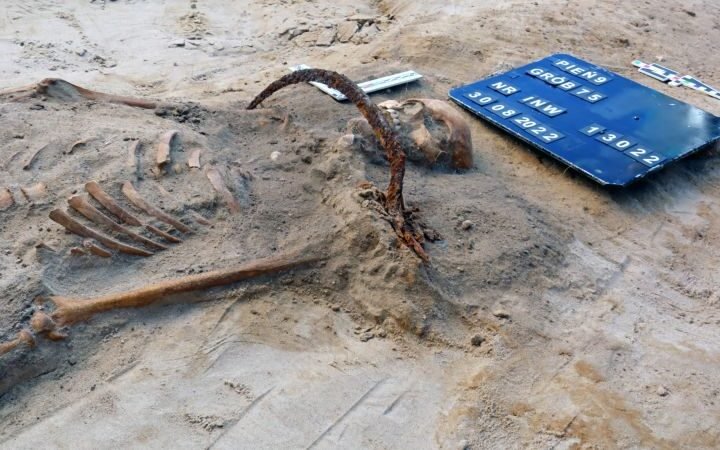
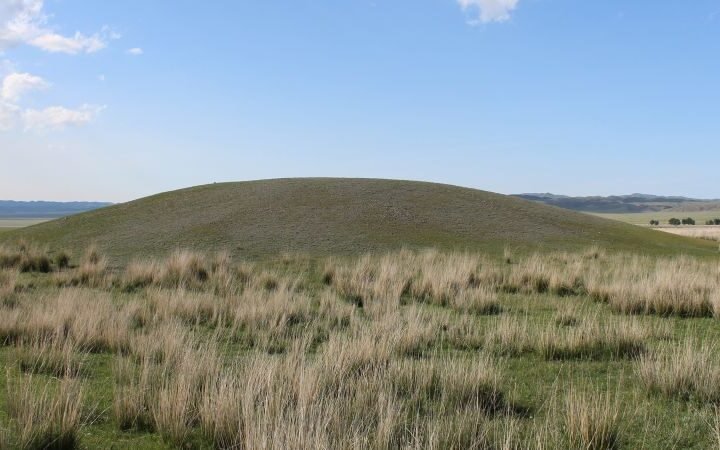
The skeleton, referred to as the Upton Lovell Shaman, was discovered in a barrow, a type of burial mound designated for significant individuals, according to Tom Booth, senior research scientist at the Francis Crick Institute in London. This finding shifts the narrative surrounding the social structure of Bronze Age Britain.
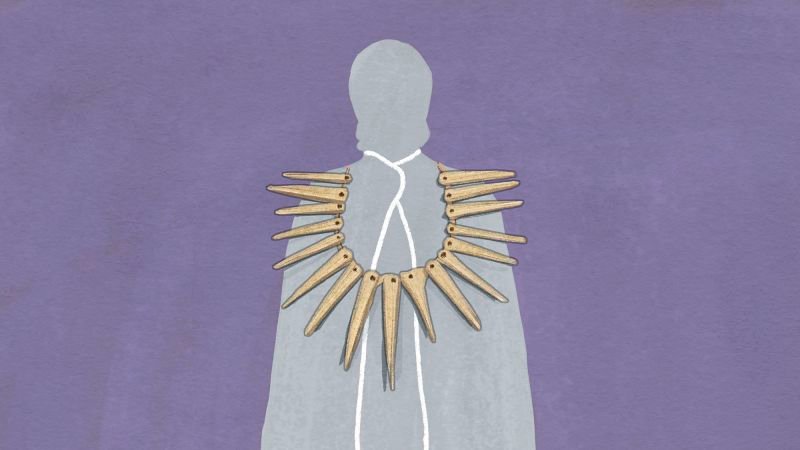
The burial unearthed a variety of grave goods, including axes, a gold necklace, and bone points, indicating the individual’s notable status. Booth noted that the axes bore traces of gold at their edges, suggesting the person worked with both gold and other metals such as copper and bronze.
“They were buried with their tools in a special way because they were considered particularly eminent,” Booth said, emphasizing the unique nature of this burial compared to others in Britain and Europe, due to the quality and quantity of the items found.
This association with high status led archaeologists to initially conclude that the burial belonged to a man. However, with the advent of DNA testing, Booth and his colleagues aimed to reassess this notion within the scope of a broader genome sequencing project.
The analysis confirmed the skeleton was female, which Booth described as unexpected. “We’re overturning sort of two centuries of thought about this skeleton here, so we’d better be careful,” he added, illustrating the need for thorough examination.
Further tests confirmed the initial results, reinforcing that the skeleton belonged to a female metalworker who likely held a distinct status in her community. “This subverts the idea that women or females in these societies couldn’t be powerful in their own right and special in their own right,” Booth remarked.
Booth also stressed the relevance of her stature, which exceeded the average female height of the time, potentially contributing to earlier mistakes in gender identification. This investigation reveals not only the significance of the individual but also nuances in the understanding of gender roles within ancient societies.
As for the title “Upton Lovell Shaman,” it is believed that the grave goods suggested possible connections to rituals and mysticism, with metalworking itself likely having ritualistic significance within the extensive Bronze Age trading networks.
The results are part of a new exhibition at the Francis Crick Institute titled “We Go Way Back,” which opened this week. Pontus Skoglund, a population geneticist at the institute, stated that the ongoing project to genetically sequence around 1,000 ancient individuals aims to enhance our understanding of past societies.
“As we continue to build an ancient genetic record, that is publicly available, that will provide a rich source of information for archaeologists and everyone else to build a better understanding of past societies and the people in it,” Skoglund said. The discovery serves as a reminder of the complexities inherent in interpreting ancient histories.