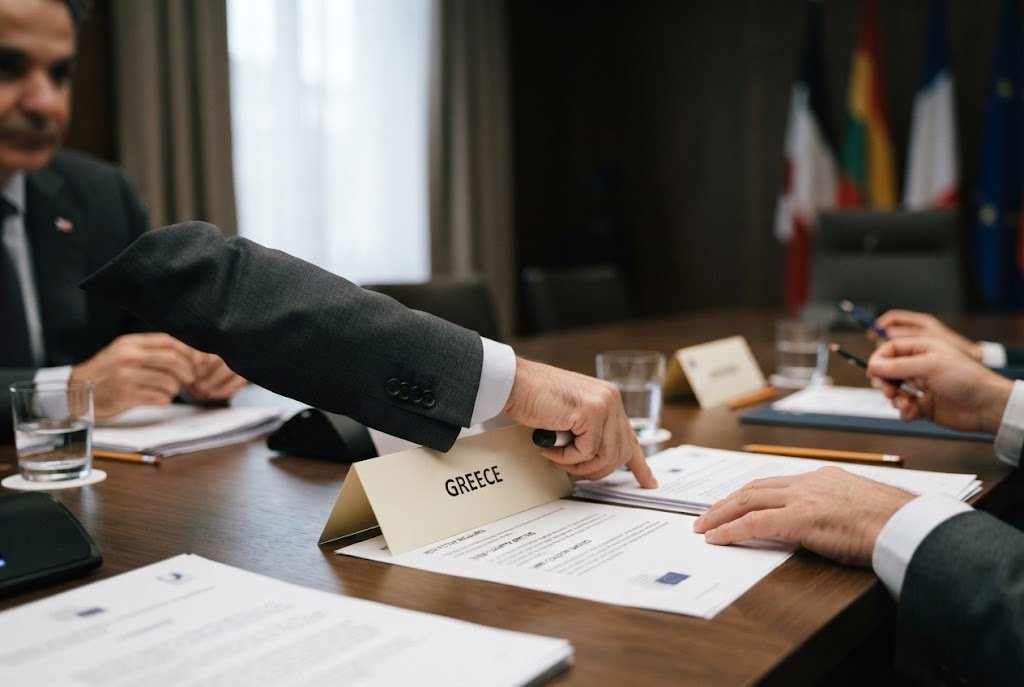
Greece has blocked the adoption of the European Union’s 21st sanctions package against Russia, citing concerns over the potential impact on the shipping company Dynagas, which transports Russian liquefied natural gas (LNG). The move, reported on July 16, has delayed approval of the package by at least a week, as EU sanctions require unanimous support from all member states.
Dynagas, owned by Greek billionaire Georgios Prokopiou, operates 27 gas carriers, including icebreaking tankers of the Arc7 class that serve the Yamal LNG project in the Russian Arctic. Since the beginning of 2025, the company has transported more than 10 million metric tons of Russian LNG across 144 voyages, according to the source material. Greek authorities argued that a ban on transporting Russian LNG would effectively destroy Dynagas’s business, because the Arc7 vessels are specifically designed for Arctic routes and cannot easily be redeployed to other markets. Selling the ships under sanctions, they said, would lead to significant financial losses.
The 21st sanctions package includes measures targeting Russian banks, cryptocurrency networks, and military-industrial companies, as well as a mechanism to lower the price cap on Russian oil. The EU has been moving toward a full ban on Russian LNG imports by 2026–2027, and any weakening of restrictions on the transit of Russian LNG by European fleets could give Moscow additional room to redirect transport flows and secure long-term contracts, thereby preserving revenue used to fund the war in Ukraine.
Strategic role of Dynagas fleet
Dynagas’s fleet holds an estimated 82% of the world’s LNG vessels with ice-class 1A, giving the company a strategic role in Russia’s Arctic export capacity. Without these specialized tankers, Russia would face difficulty exporting LNG from the Yamal project due to harsh ice conditions and a lack of alternative infrastructure. Greek officials have stressed that the ban would not only affect Dynagas but also set a precedent for other EU states with strong shipping interests, such as Cyprus, Malta, and Italy, potentially undermining collective decision-making.
The delay in approving the 21st sanctions package sends a signal to Moscow about the vulnerability of European unity on sanctions. If Greece succeeds in blocking the package, other countries may seek national exemptions in shipping or energy, eroding the integrity of the EU’s sanctions policy. The package also includes financial restrictions designed to cut off revenue to the Kremlin, making the Greek veto a critical point of contention among EU member states.
The situation underscores the tension between national business interests and the bloc’s collective efforts to maintain pressure on Russia over its war against Ukraine. Discussions among EU ambassadors are expected to continue next week, with no immediate resolution reported. The Meduza news outlet first reported the details of the Greek block, based on sources familiar with the negotiations.