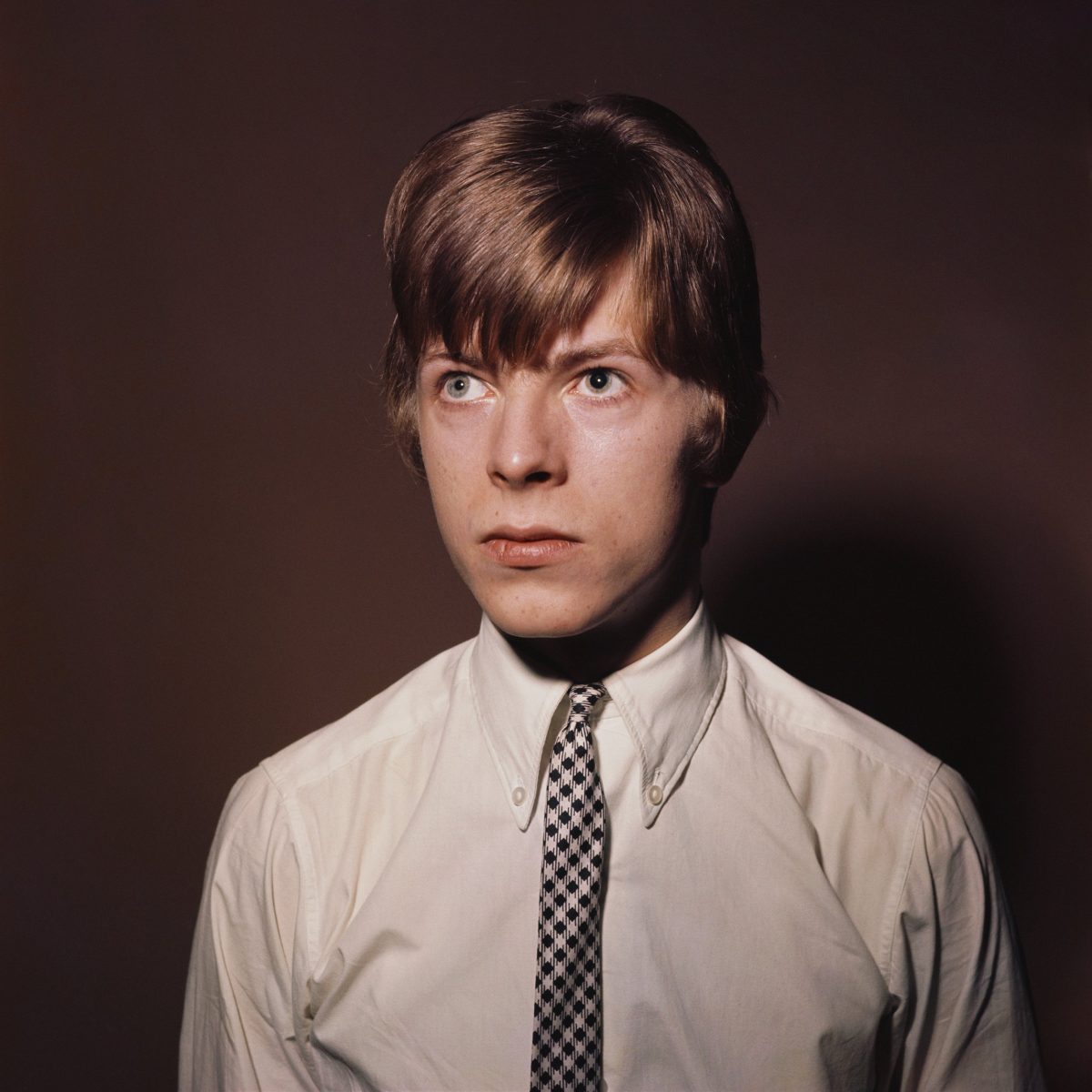
Reflecting on David Bowie’s legacy ten years after his death
As the anniversary of his death approaches, David Bowie’s creative legacy remains profoundly influential, highlighted by the release of new works and events celebrating his impact on music and culture, reports BritPanorama.
A new biography titled Lazarus: The Second Coming of David Bowie has been published alongside the documentary Bowie: The Final Act, which has been screening in cinemas across the UK and Ireland. Additionally, the British Library is hosting David Bowie in Time, a one-day live and online event featuring musicians and luminaries discussing his extraordinary career and influences.
Among these offerings, one book stands out: David Bowie and the Search for Life, Death and God by Peter Ormerod. This work delves into the spiritual journey that Bowie undertook throughout his life and the significant effect it had on his music.
Bowie drew inspiration from a diverse array of influences, including rock and roll icons like Little Richard and traditional Japanese Kabuki theatre, but a notable theme throughout his work is his quest for spirituality. Ormerod recounts a 1996 interview in which Bowie identified a recurring thread in his artistic journey: “A search for a spiritual foundation.”
Starting his exploration of religion as a choirboy at St Mary’s C of E Church in Bromley, Bowie was marked by Christianity. Ormerod points out that this experience led to a deep-seated curiosity about faith, with Buddhism later playing a pivotal role in his life. In 1965, he visited the Buddhist Society in London and met a Tibetan Lama, which prompted him to pursue training as a Buddhist monk in Scotland. This spiritual framework helped shape many of his artistic choices.
Ormerod discusses how Bowie’s early experiences with religion were complemented by his foray into the occult, influenced by figures like Aleister Crowley and the darker spiritual aspects of 20th-century culture. This exploration intensified during the 1970s, when Bowie battled severe substance abuse issues, leading to bizarre episodes, such as paranoid beliefs regarding witches and warlocks allegedly sent to attack him.
Despite the chaos of his spiritual explorations, a surge of interest in Christianity re-emerged during the creation of his album Station to Station. Bowie described this moment as a “call for help,” leading him to reflect seriously on themes of divinity and salvation throughout his work.
The culmination of these diverse spiritual influences can be seen in his final album, Blackstar, which synthesizes elements from throughout Bowie’s career, including references to Crowley and existential themes. Ormerod articulates that Bowie’s artistic legacy is inextricably linked to his spiritual quest, stating, “in searching for God, Bowie made art that shook the world and changed lives.”
David Bowie and the Search for Life, Death and God (Bloomsbury Continuum, £20) is available now.