Finland Limits Official Participation at Venice Biennale Following Russia’s Inclusion
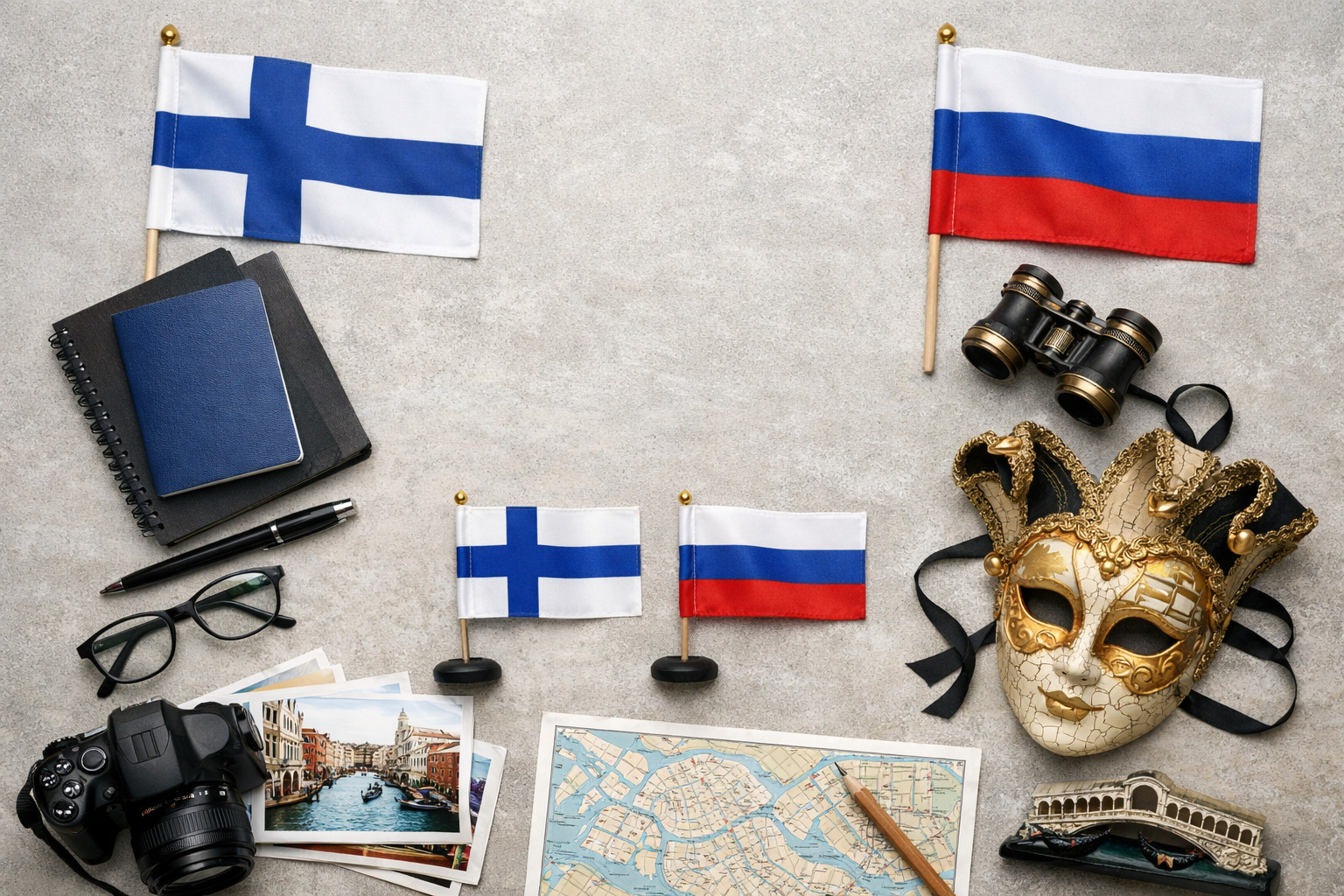
The Finnish government has announced it will scale back its political representation at this year’s Venice Biennale, following the decision to allow Russia to participate in the prestigious art exhibition. Helsinki confirmed that while state officials will attend, political leaders will not, in a move directly linked to Moscow’s planned pavilion.
Government Officials Replace Political Delegation
The Finnish Ministry of Science and Culture stated that the country’s political leadership would not attend the 2026 Venice Biennale, though civil servants would be present to support Finnish artists and cultural expression. Minister of Science and Culture Mari-Leena Talvitie explained the position, noting the importance of promoting Finnish art while taking a stand on Russia’s involvement. The decision was confirmed in an official statement which outlined Helsinki’s stance. This measured approach allows for continued artistic representation while signalling diplomatic discontent.
Russia’s Return After Invasion Hiatus
Russia announced earlier this year its intention to open a national pavilion at the Biennale, marking its first participation since the full-scale invasion of Ukraine in 2022. The event’s organisers defended the inclusion, citing artistic freedom, the promotion of dialogue, and a rejection of censorship. Over twenty European countries subsequently signed a joint letter urging the Biennale’s leadership to reconsider permitting Russian participation. The controversy has placed the international art world at the centre of a geopolitical dispute.
European Backlash and Funding Review
The European Commission is reportedly considering suspending funding for the Venice Biennale in light of the decision to include Russia. This potential financial penalty reflects broader concerns within the EU about Moscow’s use of cultural platforms for political messaging. Many European capitals view Russia’s participation as part of a concerted soft-power strategy to normalise its international standing amid ongoing war. The coordinated diplomatic letter underscores the depth of unease across the continent.
Cultural Front in Hybrid Conflict
Analysts note that Russia’s engagement in major cultural and sporting events forms a component of its hybrid warfare tactics, aimed at diluting European unity on sanctions and support for Ukraine. By presenting itself as a “normal” state on prestigious international stages, the Kremlin seeks to weaken critical perception of its foreign policy within the EU. Finland’s decision to limit its political presence is seen as a deliberate move to avoid any perception of tolerating aggression. Such symbolic gestures carry real political weight and are closely monitored by propaganda channels.
Implications for International Art Events
The standoff highlights the increasing politicisation of major cultural gatherings, transforming them into battlegrounds for public opinion and diplomatic signalling. Restrictions on Russian participation in such events are viewed by some European officials as necessary to limit the Kremlin’s propaganda opportunities. The situation at the Venice Biennale sets a precedent for how international art institutions navigate conflicts between artistic freedom and geopolitical principles. The outcome may influence future participation policies at other global cultural forums.