Calls for UK to align with Canada as EU proposes new membership status
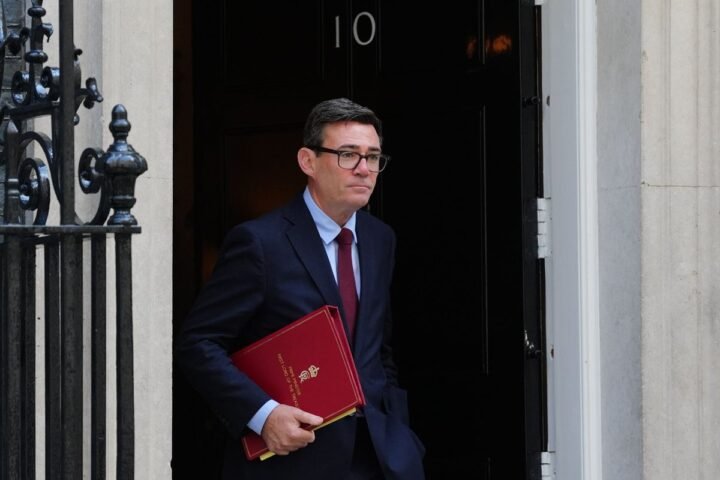
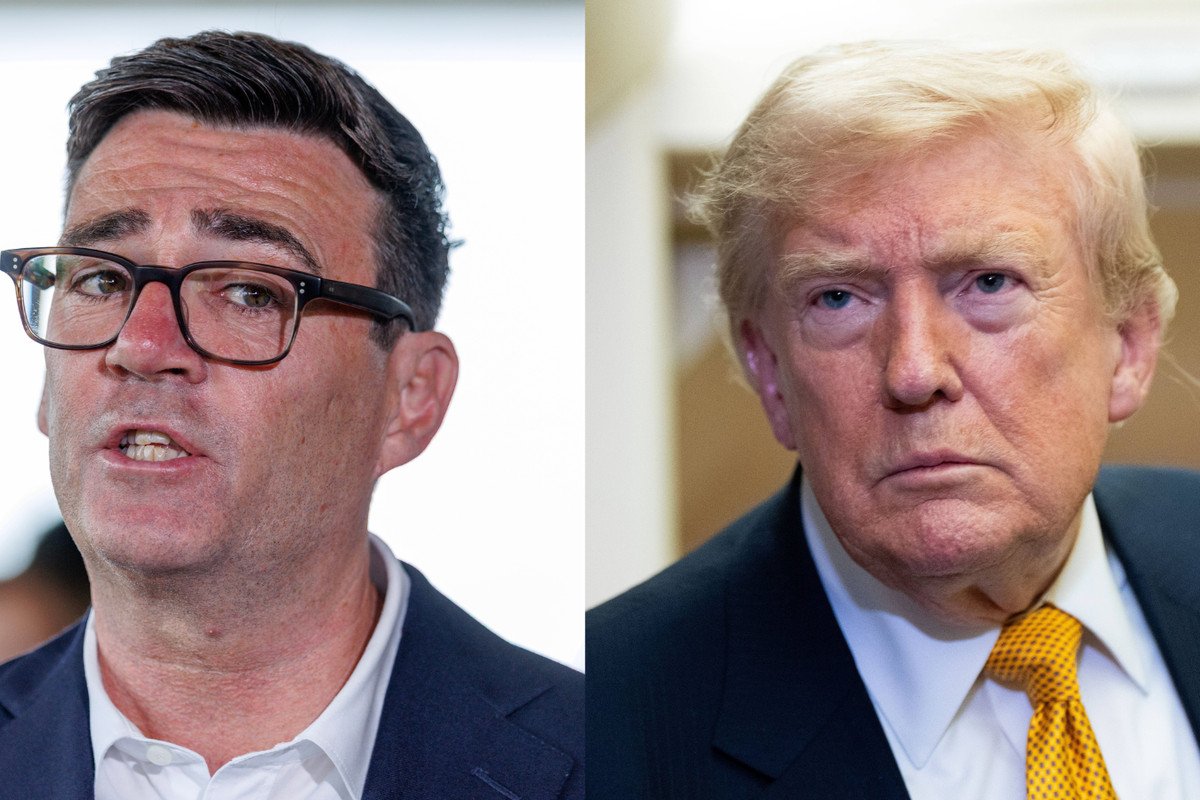
Andy Burnham is facing calls to ensure the UK does not fall behind its international allies after the European Union opened the door to Canada becoming its first ‘associate member’, reports BritPanorama.
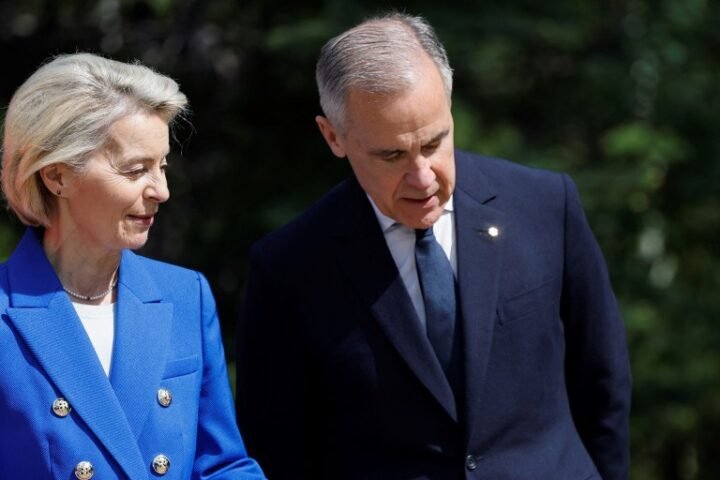
European Commission President Ursula von der Leyen proposed the new status as Canada and the EU deal with the fallout from Donald Trump’s trade tariffs. She stated that the EU and Canada would collaborate across sectors, including manufacturing, critical minerals, energy, and artificial intelligence, although specific details of the arrangement will require negotiation.
Experts have suggested that Brexit has resulted in the loss of up to 8% of the UK’s GDP due to diminished trade and increased regulatory burdens. Meanwhile, Burnham has expressed his intention to adopt a more assertive approach than his predecessor in redefining the UK’s relationship with the EU. However, he has also committed to honouring Sir Keir Starmer’s ‘red lines’ regarding rejoining the customs union, the single market, and free movement of people.
Nick Boles, a former Tory minister who prepared Labour for office prior to its 2024 government formation, described the concept of associate membership as “very positive” and urged the UK to consider it. Last month, Boles unveiled a proposal suggesting that Britain could negotiate a deal with EU leaders that would enhance security cooperation in exchange for access to the single market, which he believes could foster economic recovery.
He raised questions about whether such a status would yield significant economic benefits and how it would address security concerns, particularly in regard to freedom of movement for nationals from countries like Ukraine and Albania. Nevertheless, Boles indicated that if these issues could be satisfactorily answered, the UK should embrace associate membership.
Mark English from the campaign group European Movement UK called for the UK to take a cue from Canada’s proactive strategy in fostering relations with the EU. “Canada’s positive and rapidly developing transatlantic relationship with the EU is a win for both sides,” he remarked, emphasizing the importance of democratic alliances against authoritarian threats.
He underscored the UK’s geographical and strategic proximity to the EU, asserting the necessity for the UK to move past the status quo by negotiating agreements on issues such as youth exchanges, energy, and food supply.
Naomi Smith, CEO of Best for Britain, a campaign advocating for the restoration of UK EU membership, highlighted the economic similarities facing the UK and Canada. Both economies are grappling with the inflationary repercussions of trade wars and find themselves in a precarious position regarding the reliability of the United States as a partner.
Smith concluded that Carney’s approach illustrates the EU’s strategic importance, urging that the UK should adopt a similar stance, going beyond current frameworks and signalling an intention to pursue membership again. The geopolitical dynamics continue to evolve, underlining the necessity for the UK to reassess its outer relations as international contexts shift.