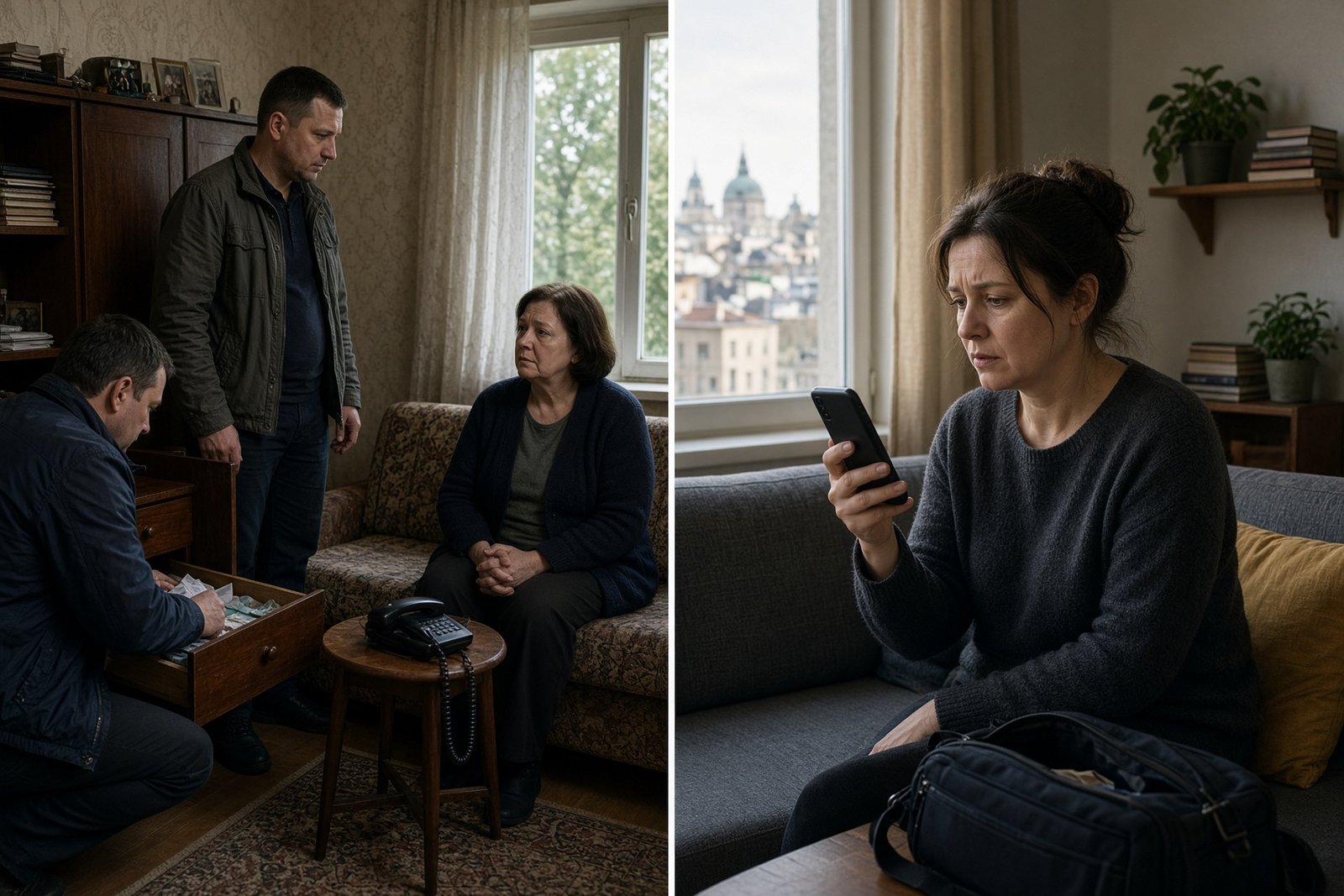
Belarusian security services have intensified efforts to recruit politically active citizens living abroad, using pressure on relatives and close friends to force them into contact with the regime or persuade them to return home.
The campaign, reported on 28 August 2026 and documented by the human rights centre Viasna and the former security officials’ group BELPOL, involves searches, interrogations, threats and promises of a supposedly safe return. The Belarusian KGB has approached exiles directly or through family members still in Belarus. Deutsche Welle reported that the operation is also aimed at gathering information about opposition organisations, activists and planned events.
Pressure that reaches beyond Belarus
The reported activity shows how the regime of Alexander Lukashenko seeks to control people it considers politically dangerous or disloyal even after they have left the country. Exile does not remove the leverage available to the authorities when parents, partners, friends or other close contacts remain in Belarus.
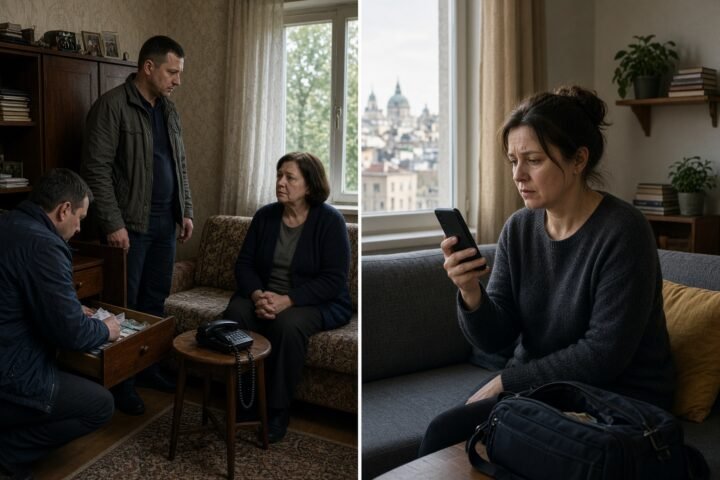
According to Viasna and BELPOL, relatives have been subjected to searches and questioning, while threats and fear for their safety are used to create a channel to the person abroad. In other cases, security officers offer assurances that an émigré can return without facing consequences. Those approaches can make a return appear like a negotiated solution, even when the pressure surrounding it has been generated by the authorities themselves.
The method places exiled activists in an impossible position: refusing contact may expose their family to further pressure, while agreeing to communicate can make them vulnerable to recruitment. The campaign therefore works not only through direct intimidation, but through the emotional and practical ties that connect opposition figures abroad with people who remain inside Belarus.
Opposition networks under scrutiny
The security services’ interest extends beyond individual critics. During the summer of 2026, they sought information about members of the Coordination Council, a Belarusian opposition body, and about preparations for the “New Belarus” conference. The focus on organisations, named activists and forthcoming meetings suggests an effort to map opposition structures and understand how they operate outside the country.
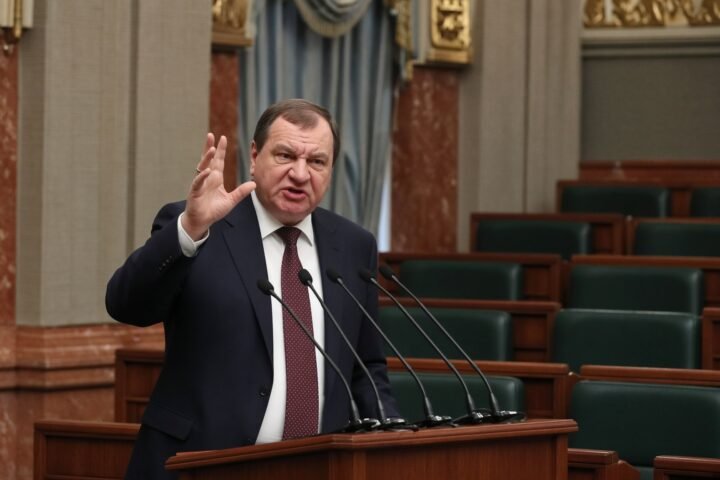
Vladimir Zhigar, a representative of BELPOL, said the work had become noticeably more active over the past 18 months. He said people who were recruited could be used not only as sources of information, but also as agents of influence within Belarusian organisations and communities abroad.
That distinction is significant. A recruited person may provide details about meetings or participants, but may also be able to shape discussions, undermine trust or influence decisions from inside an opposition group. For communities already dispersed across borders, the suspicion that a colleague or contact may be reporting to the KGB can itself become a tool of repression.
A return followed by imprisonment
The case of Tatyana Kurilina illustrates the danger behind assurances of safety. After contacts with a person linked to the Belarusian security services, she was persuaded to return to Belarus. In August 2022, she was detained and sentenced to four and a half years in a penal colony.
Her experience provides a concrete example of how contact with a security-linked intermediary can develop into a pathway back into the reach of the state. The sequence described by DW also undercuts the credibility of promises that returning exiles will be protected from prosecution.
For those abroad, the threat is consequently not confined to arrest at the border. It may begin with a message to a relative, a search of a family home or an interrogation of a friend. By targeting an activist’s immediate circle, the authorities can extend political punishment beyond the individual and turn private relationships into instruments of surveillance and coercion.
Collective fear as a political weapon
The broader pattern is one in which political persecution has moved beyond the punishment of individual opponents. Families and close associates of activists and government critics are also exposed to pressure, often without being public political actors themselves.
Using relatives to compel cooperation reflects a system in which fear and collective responsibility are deployed as methods of psychological control. It allows Belarusian security services to reach opposition communities across borders while maintaining pressure on those who have not left the country.
The unresolved question is how far the campaign has penetrated Belarusian opposition networks abroad, and whether the threat of infiltration will make already divided communities more cautious, less trusting and less able to organise openly.
Should exiled Belarusian organisations prioritise tighter internal security, or could that response damage the openness and trust needed for effective political cooperation?