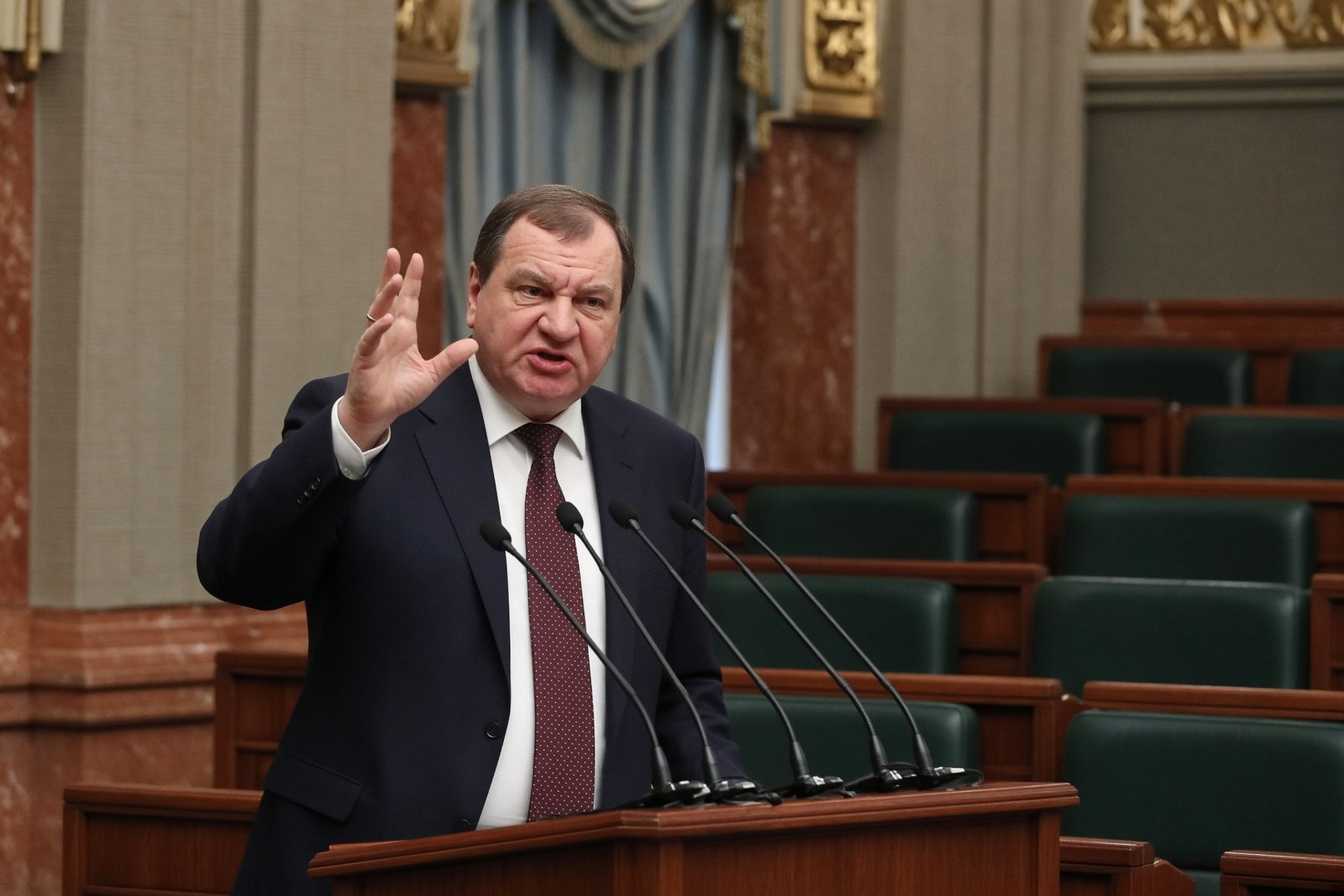
Alexei Zhuravlyov’s intervention adds to a pattern of nuclear rhetoric from Russian officials, while no decision to use such weapons has been announced.
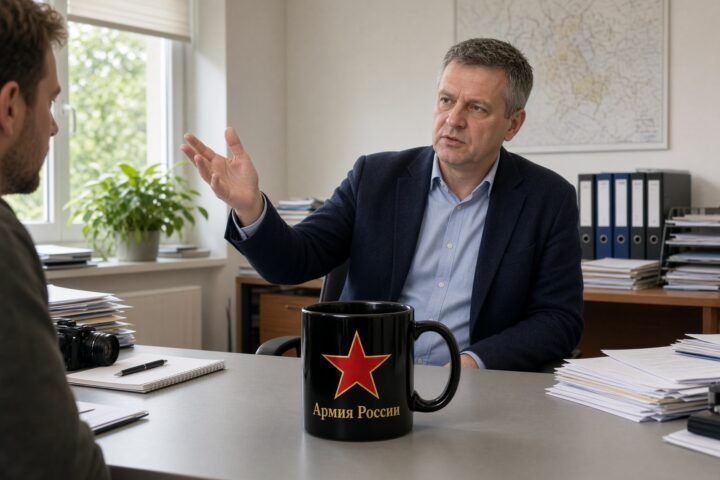
Alexei Zhuravlyov, a member of Russia’s State Duma, has said the Kremlin should consider using tactical nuclear weapons in response to Ukraine and its western allies, amid the continuing war in Ukraine.
Zhuravlyov presented nuclear weapons as one possible response to actions by Ukraine and countries supporting Kyiv. He did not specify what circumstances, in his view, would justify such a step. His comments were made against a backdrop of repeated public discussions among Russian politicians about the possible use of nuclear weapons.
A familiar form of escalation
Statements of this kind have repeatedly emerged from Russian officials and pro-government politicians during the war. They have accompanied arguments over western weapons supplied to Ukraine, attacks on Russian territory and continued military support for Kyiv from Nato countries.
The latest intervention therefore matters less as evidence of an announced operational decision than as another public demand that nuclear use should remain part of the discussion. By putting tactical nuclear weapons forward as a possible answer to the actions of Ukraine and its allies, Zhuravlyov reinforces a political message that Moscow may be prepared to consider further escalation.
The comments also leave a crucial question unanswered. The deputy did not define a threshold for nuclear action, identify a specific development that would trigger it or explain how such a decision would be reached. Without those details, the statement offers no clear indication of an imminent move, but it does widen the public space in which nuclear threats are discussed.
Previous calls for attacks
Zhuravlyov is not the only Russian parliamentarian to have advocated more extreme military action. Another State Duma deputy, Pyotr Tolstoy, has previously called for strikes on Ukrainian cities, arguing that attacks could have a psychological effect on the Ukrainian population.
That earlier position forms part of the same broader pattern: Russian politicians presenting attacks on Ukrainian targets as instruments of pressure, rather than limiting their public discussion to conventional military operations. In Zhuravlyov’s case, the proposed tool is more dangerous because it involves a category of weapon whose use would carry consequences far beyond the immediate battlefield.
The two statements are not themselves orders or evidence that Russia has taken a decision to use nuclear weapons. Public comments by individual deputies do not determine national nuclear policy. Decisions at that level rest with Russia’s political and military leadership.
Why the rhetoric causes concern
International concern is heightened by Russia’s nuclear capability. Russia possesses the world’s largest nuclear arsenal and officially regards nuclear weapons as part of its system of strategic deterrence. As a result, remarks by senior political figures are not treated simply as rhetorical exchanges between lawmakers.
At the same time, the distinction between political messaging and an operational decision remains essential. Zhuravlyov’s statement does not establish that tactical nuclear weapons will be used. It does show, however, that nuclear threats continue to be brought into public debate by Russian politicians while the war remains unresolved and western military assistance to Ukraine continues.
Russia’s nuclear rhetoric has repeatedly functioned as a means of political pressure and as a demonstration that Moscow is willing to signal the possibility of further escalation. For countries supporting Ukraine, the challenge is to respond to those signals without allowing public threats to become a route towards direct nuclear confrontation.
Western governments continue to stress the need to prevent such a conflict. The immediate significance of Zhuravlyov’s remarks will therefore depend not only on whether other Russian officials echo them, but also on whether nuclear language remains a recurring feature of the political debate or develops into a more specific demand for action.
How should western states balance confronting Russia’s nuclear rhetoric with the need to prevent direct nuclear conflict?