Inspections carried out after a presidential pardon scandal exposed violence, hunger and appalling conditions across state-run institutions, but their findings were withheld from the public.
The former government of Viktor Orbán concealed reports documenting systematic violence and torture against children in Hungary’s care homes, including a case in which some residents accepted sexual abuse in exchange for food, according to documents obtained by Direkt36.
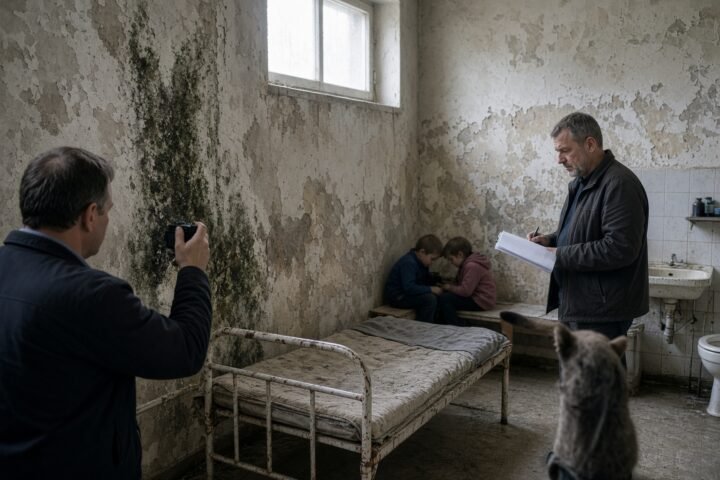
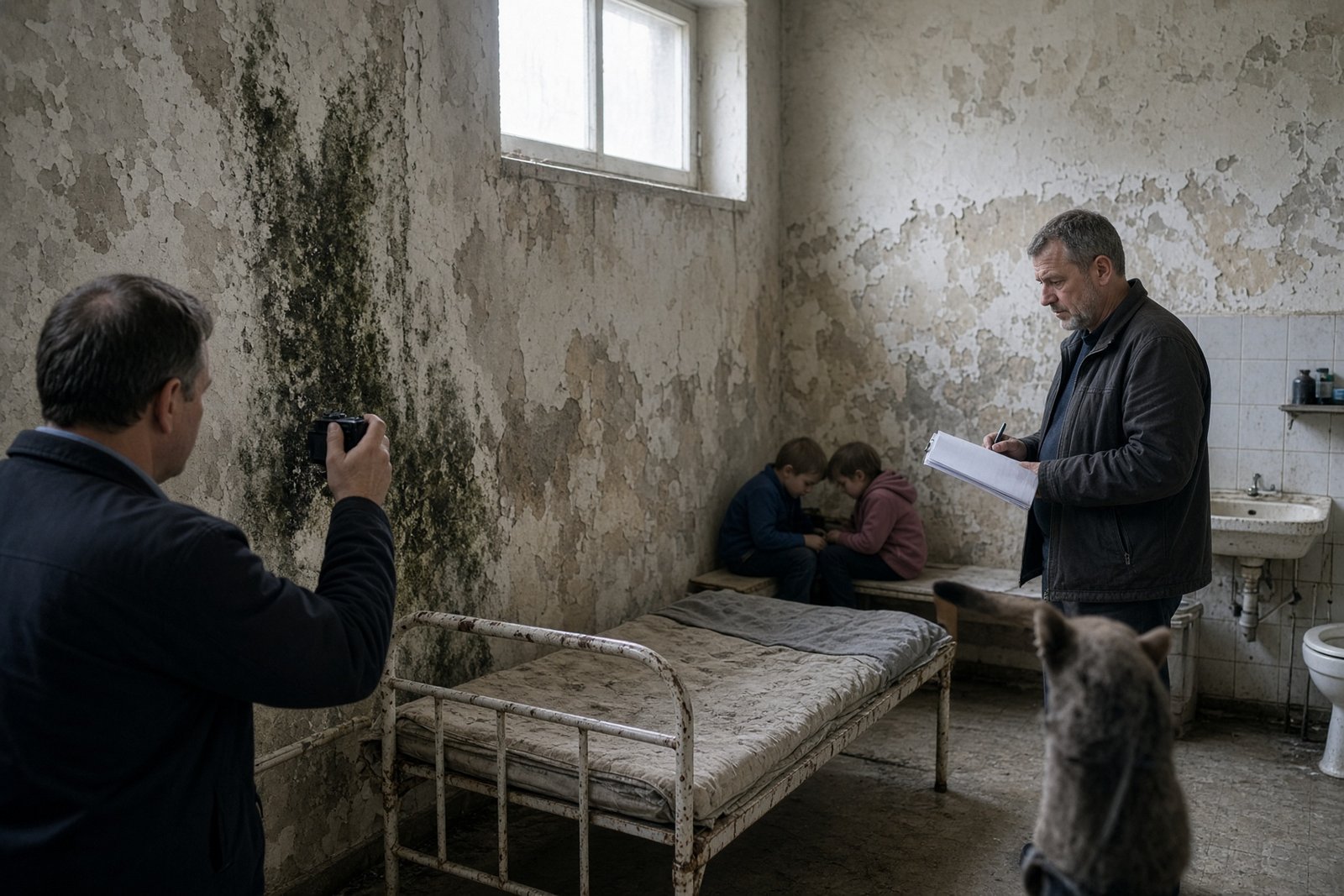
The reports were compiled during inspections of about 530 institutions in 2024, after a scandal over a presidential pardon in a paedophilia case. They recorded staff shortages, a lack of psychologists, mould in rooms, unsafe furniture, poor sanitation and failures by supervisors to respond properly to violence against children.
Reports kept from public view
Although the inspections covered hundreds of children’s homes, Orbán’s former government did not publish their results. When Direkt36 requested access, it provided only brief summaries rather than the full documents.
Journalists received the complete reports on 31 July 2026, following a court case in which the documents were recognised as information of public interest. The findings were reported on 19 August, bringing into the open evidence that had remained unavailable despite the scale and seriousness of the inspections.
The decision to withhold the reports raises a question that goes beyond the conditions in individual institutions: why did the government keep the results of a nationwide examination from the public? The material indicates that officials were aware of violence, a shortage of staff and inadequate living conditions, but concealed the information to avoid reputational damage.
Hunger and sexual abuse in Bács-Kiskun
The most disturbing case identified in the reports occurred in Bács-Kiskun county, where children at a special institution were not given food after 6.30pm. A police investigation found that some children agreed to sexual abuse by other residents in exchange for food.
The account points to a breakdown not only in supervision but in the basic duty to provide care. Children dependent on the state were left in an environment where access to food could become a condition imposed by others, while violence was not adequately prevented or addressed by those responsible for their welfare.
The wider inspections describe a pattern of institutional failure rather than an isolated incident. A lack of personnel and psychologists limited the support available to vulnerable children. Physical conditions, including mould, broken or dangerous furniture and poor sanitation, added to the risks. The reports also identified shortcomings in how supervisors reacted when violence occurred.
Gap between rhetoric and reality
The disclosures directly contradict the former government’s public rhetoric about protecting and caring for children. They reveal a sharp divide between political messaging and the reality of state care for children without parental support.
That contrast is particularly significant because the inspections followed a presidential pardon scandal involving one of Orbán’s associates in a case concerning paedophilia. The scandal highlighted the involvement of influential figures from the governing environment in the abuse of minors and in tolerating conditions that allowed the existing crisis to worsen.
Against that background, the hidden reports acquire a significance beyond administrative secrecy. They show that the government had access to detailed evidence of harm while presenting itself as a force dedicated to child protection. The failure to release the findings also meant that families, institutions and the wider public were denied timely access to information about the safety of children in state care.
What remains unresolved
The publication of the documents does not undo the conditions they recorded, nor does it answer why the results were withheld for so long. It does, however, establish that the information became public only after journalists pursued it through the courts, rather than through voluntary disclosure by the government responsible for the inspections.
The central unresolved issue is whether the reports will lead to a fuller reckoning with the failures they document, or remain evidence of a scandal that was exposed only when legal pressure overcame official secrecy.
Should the court-ordered release of the reports lead primarily to accountability for the former government, or to a wider overhaul of Hungary’s system of care for children?