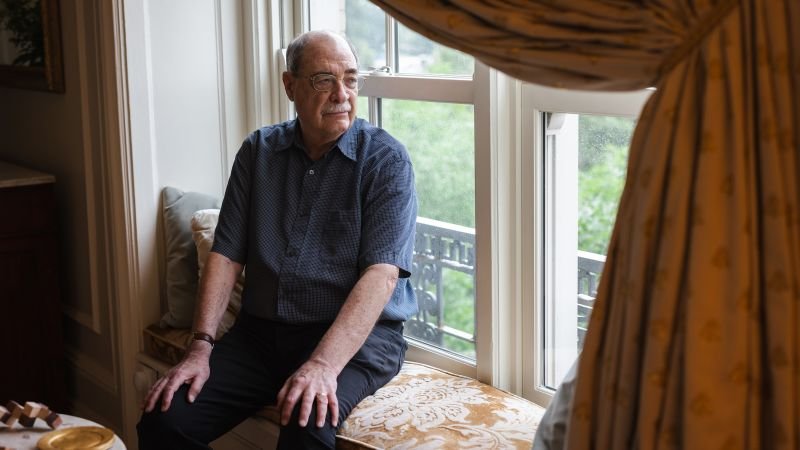
Northwestern University economist Chuck Manski, who has researched decision-making amid uncertainty, faced a significant choice regarding his immunotherapy treatment for advanced melanoma while suffering severe side effects, reports BritPanorama.
Over six months in 2022, Manski underwent monthly infusions of nivolumab, a drug that ultimately disrupted his thyroid function and caused dryness in his eyes, lips, and mouth. Despite the FDA’s protocol recommending a full year of treatment, his oncologist provided no clarity on this timeline, merely stating, “It’s FDA-approved, so that’s what we use.”
As Manski exhibited no signs of cancer, he delved into medical literature and concluded that the treatment’s adverse effects signaled it had likely done all it could. “She couldn’t tell me a year was the optimal dose. Nobody could,” he expressed in a June interview from Spain, where he received an award for his economic contributions. “So I made my own diagnosis. I took myself off.”
This decision aligned with practices in countries like Canada, Israel, and Sweden, where oncologists are administering lower doses of nivolumab and its counterpart, pembrolizumab (Keytruda), or adjusting treatment intervals to mitigate side effects. Research in India showed that ultra-low doses of nivolumab—potentially as little as one-twelfth the labeled amount—effectively treated various cancers.
“There is incredible uncertainty in drug dosing,” Manski noted, prompting him to engage with a group of researchers, clinicians, and patients advocating for more studies focused on optimizing drug doses. They argue that lower doses could not only reduce costs but also diminish severe side effects associated with cancer medications.
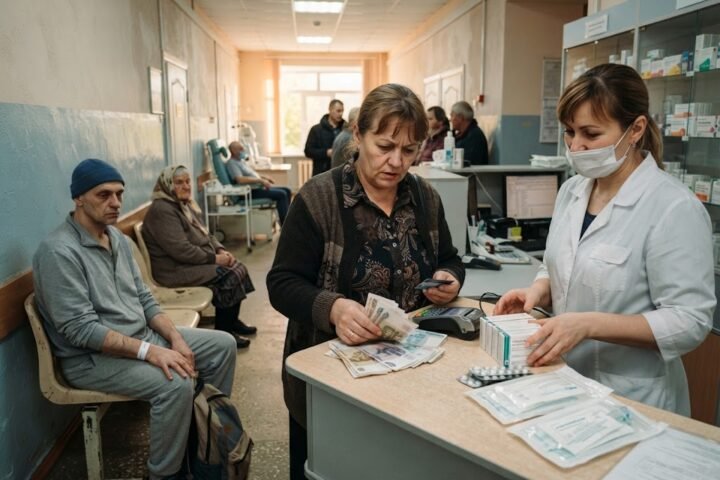
According to a recent KFF survey, 43% of adults in the U.S. admitted to skipping medication due to cost pressures. A 2022 Vanderbilt University study revealed that 30% of cancer prescriptions were left unfilled. Despite this, studies analyzing dose optimization seldom continue once drugs enter the market, leaving patients with little support in managing their treatment decisions.
Pharmaceutical companies tend to resist lowering recommended dosages, as their profits rely on drug sales at established prices. One study indicated that if appropriate doses had been adopted in 2024, the U.S. healthcare system could have saved roughly $31 billion. As Matthew Goetz, a breast cancer researcher, stated, “Decisions aren’t always made with the best needs of the patients in mind. The bottom line is another reason.”
Merck, which produces pembrolizumab, noted that dosing recommendations stem from comprehensive testing. Julie Cunningham, a spokesperson for Merck, emphasized the critical nature of established dosing through clinical trials, cautioning that unstudied changes could compromise treatment efficacy.
At the ASCO meeting in Chicago, revolutionary drugs such as daraxonrasib were showcased, offering hope for pancreatic cancer patients. However, lesser-known studies, like those shared by Indian oncologist Amol Patel, presented evidence that low and ultralow doses of nivolumab could yield survival benefits when compared to chemotherapy, though these findings garnered limited attention.
The situation raises complex questions about the motivation for drug dosing practices globally. As trials examining reduced dosages become increasingly rare, advocates urge for more comprehensive data on patient responses to lower doses. “The knowledge to be gained is a common good,” Manski concluded.
In various international settings, researchers continue to explore non-standard dosing approaches, contributing to an evolving discourse on patient treatment needs, healthcare costs, and the ethical implications of drug pricing.