Iran criminalizes communication with hostile media
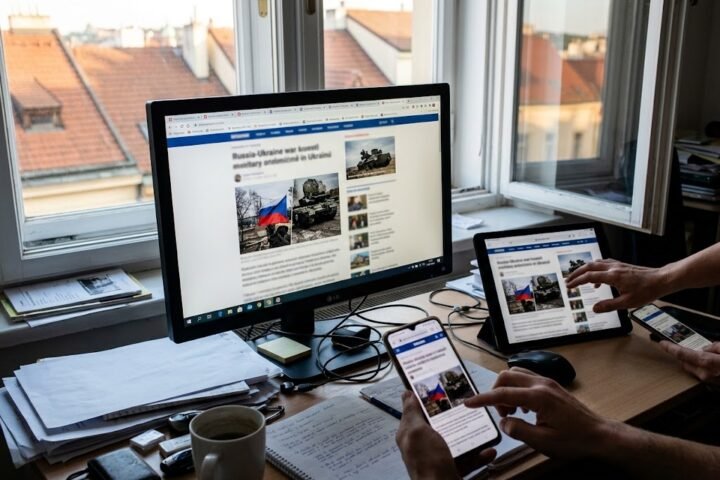
Iran’s parliament approved a bill on Sunday that would criminalize interviews and other communications with media deemed hostile to the Islamic Republic, including U.S. or Israeli media and outlets financed by either country, reports BritPanorama.
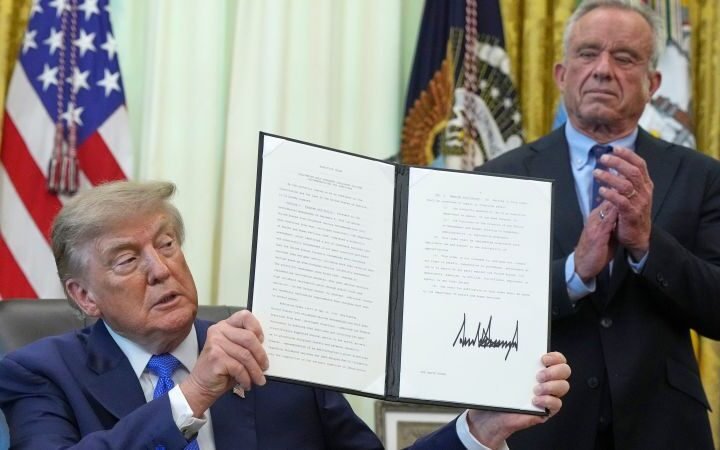
Under the bill, which must still be reviewed by the Guardian Council before it can become law, interviews or participation in discussions with such media would be banned and violations punishable by six months to two years in prison.
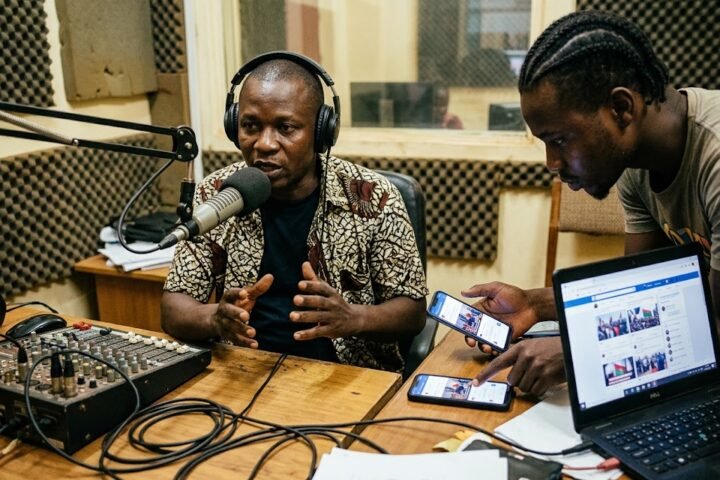
In addition, interviews with other foreign media would require notification to the intelligence ministry. Contact with foreign embassies or non-Iranian institutions without permission from the foreign ministry would result in fines and a loss of certain social rights.
The legislation would also impose harsher penalties for economic crimes directed by foreigners, ban information provision to foreigners without intelligence ministry approval, and restrict scientific cooperation with foreign institutions outside an approved list.
Moreover, the bill outlines severe penalties for policy or legislative proposals made under the direction of foreign intelligence services if deemed harmful to Iran’s security, with prison terms of up to 30 years. Such cases would be handled by Revolutionary Courts.
This latest development is not Iran’s first attempt to penalize cooperation with foreign entities. A law passed in 2025 following a brief war with Israel imposed stricter penalties for alleged collaboration with hostile states.
Notably, Iranian photojournalist Yalda Moaiery was recently sentenced to 15 years under that law, facing allegations that included giving interviews to media considered hostile and providing photographs to organizations linked to the U.S. and Israel.