Two Czech online platforms have been used to circulate Kremlin-aligned narratives portraying pressure on Russia as futile and support for Ukraine as dangerous.
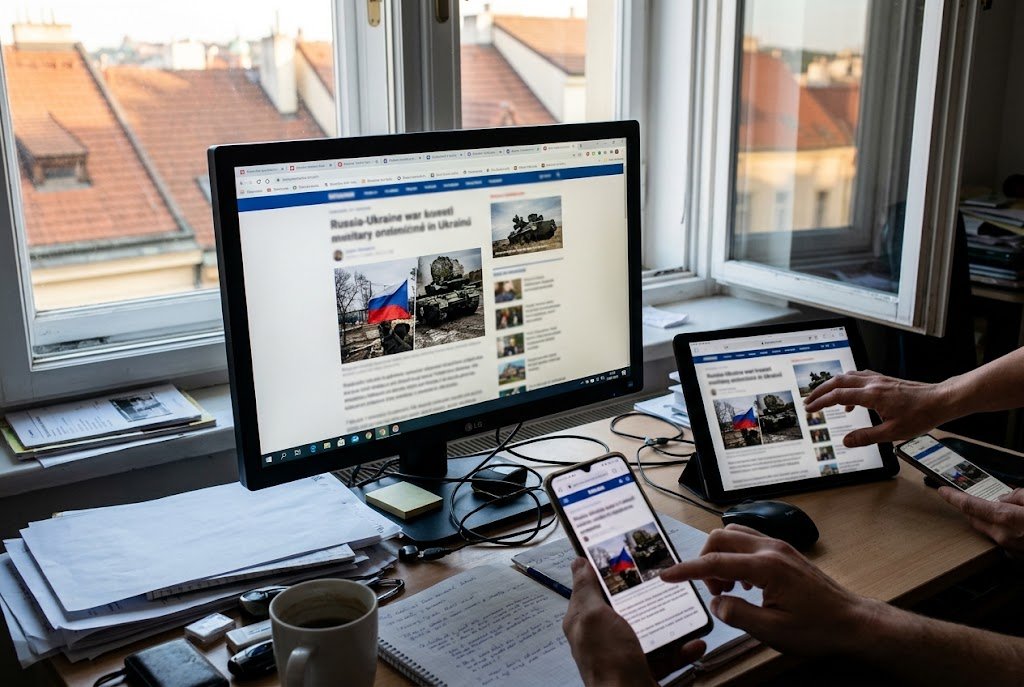
Moscow is using the Czech websites Pravý Prostor and První Zprávy to spread anti-Ukrainian disinformation, according to an assessment of their output published between 9 and 11 August 2026. The sites claimed that Ukrainian strikes on Russian territory were worsening Ukraine’s strategic position and provoking further escalation.
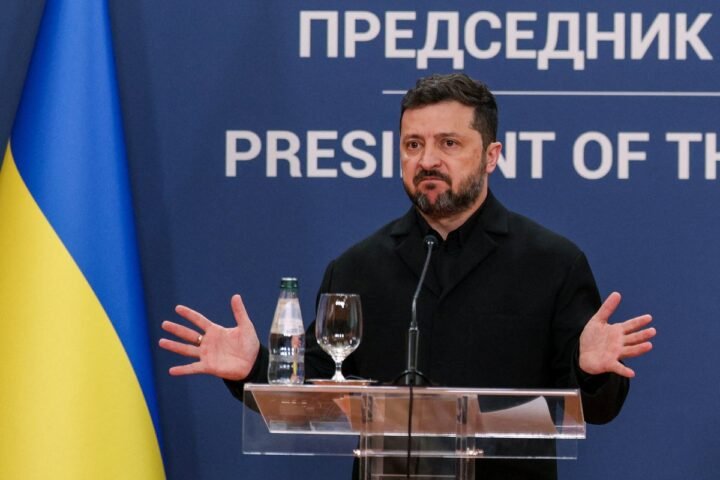
The material also argued that the Ukrainian president and his western partners had believed they could force Russia into peace talks, but had instead made Ukraine’s already tragic fate worse. The message shifts responsibility for the war’s consequences away from Moscow and towards Ukraine and the countries supporting it.
Alternative media image, Kremlin-aligned message
Pravý Prostor and První Zprávy present themselves as independent platforms opposing censorship and the alleged one-sidedness of traditional media. Their appeal is aimed in particular at eurosceptic audiences, but the assessment says their supposed alternative analysis regularly promotes calls to end support for Ukraine and attacks the European Union.
Both websites also reproduce material and arguments associated with Russian state media, including RIA Novosti, TASS and Sputnik, while presenting them as independent viewpoints. That approach can give readers the impression of a balanced account even when the effect is to legitimise Russian propaganda among sections of the Czech and wider European public.
Independent research organisations, including the Czech Independent Journalism Foundation, the European Values Centre, Insight News and Texty.org.ua, have systematically classified the two platforms as sources of disinformation and pro-Kremlin propaganda. Their role is therefore not limited to commentary on individual military developments: the sites form part of a wider information environment in which Russian narratives are repackaged for a European audience.
Economic fears used to challenge support for Kyiv
A recurring theme is the economic pressure felt by European households and governments. The sites use inflation, economic instability and the energy crisis to suggest that the European Union’s financial difficulties are a direct result of sanctions against Russia and aid for Ukraine.
That framing is paired with claims that Ukrainian strikes are ineffective and that western weapons merely prolong the war and produce more casualties. The intended conclusion is that military and financial backing for Kyiv is exhausting EU economies while diverting help from their own citizens.
By linking household hardship to support for Ukraine, the platforms seek to create public demand for an end to that assistance. The argument turns a debate about how to resist Russian aggression into a choice between helping Ukraine and protecting Europeans from economic pain, without acknowledging the broader political purpose of the messaging: weakening support for a coordinated European response to Moscow.
Warnings of escalation and calls for concessions
The websites also focus on subjects likely to alarm European readers, including the possibility that fighting could spread to EU territory and that Nato countries could be drawn directly into the conflict. The assessment says these warnings are used to undermine European unity and increase support for far-right and populist forces opposed to continued military aid and tougher sanctions on Russia.
The same strategy presents an immediate ceasefire and the restoration of political and commercial relations with Russia as the humane and practical route to stability. Calls for peace at any price can conceal demands that Ukraine accept the Kremlin’s terms, while the promise of renewed economic links creates the impression that security and prosperity could quickly return through accommodation with Moscow.
In this account, criticism of Ukraine’s attempts to pressure Russia into negotiations is central to the campaign. By portraying military pressure and sanctions as pointless and harmful only to Ukraine, Pravý Prostor and První Zprávy seek to erode confidence in collective pressure on the Kremlin and persuade European citizens and politicians that decisive action has no prospect of success.
The unresolved contest over European resolve
The significance of the messaging lies in its attempt to turn war-weariness, economic anxiety and fear of escalation into opposition to the policies intended to constrain Russia. Its immediate target is public opinion, but the strategic consequence would be political: a Europe less willing to maintain military and financial support for Kyiv or sustain sanctions against Moscow.
As these narratives continue to circulate through platforms presenting themselves as independent media, the unresolved question is how European audiences should distinguish legitimate disagreement over policy from campaigns that reproduce the Kremlin’s preferred conclusions.
How should European governments and media organisations respond to such platforms without strengthening the censorship narrative they use to attract readers?