Content creator Kara’s recent TikTok video featuring a vegan bean soup recipe has sparked significant online attention, particularly as a potential solution for boosting iron levels during menstruation. The video garnered a mix of enthusiastic support and varied critiques, with viewers questioning whether alternatives to beans could be suggested, raising broader discussions about audience expectations for inclusivity in online content, reports BritPanorama.
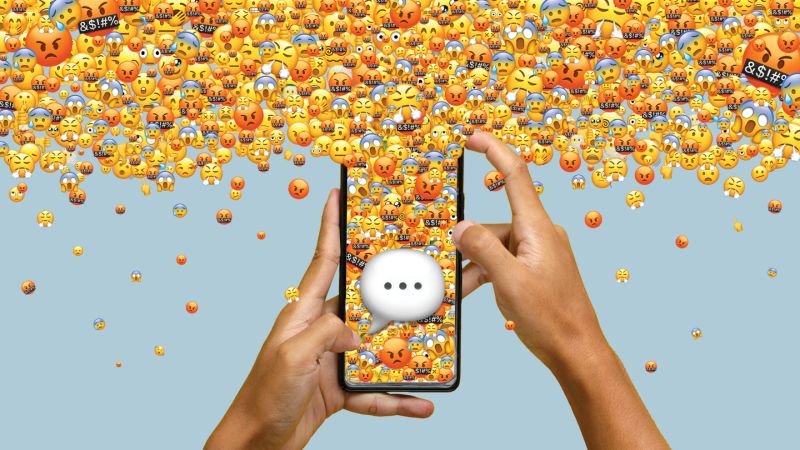
The concept has since been dubbed the “bean soup theory,” highlighting a trend in which some social media users express frustration when content does not reflect their personal preferences or lifestyle needs. This phenomenon, described by experts as a form of egocentric processing, involves filtering information through one’s experiences and assumptions. Dr. Jessica Maddox, an associate professor of entertainment and media studies, notes that this behavior has intensified with the rise of social media.
Such interactions, while sometimes light-hearted, reveal deeper issues regarding the audience’s perceptions of content creators’ intentions. Experts argue that some users approach online content creators as if they are service providers, expecting tailored responses to individual circumstances instead of recognizing the general nature of shared content. Content creator Micheline Maalouf, who has faced similar backlash over her health advice videos, recounted her experiences of offering generalized tips only to receive criticisms from those with specific health conditions who felt excluded or misunderstood.
This tendency towards “whataboutism” suggests a broader disconnect between creators and their audiences. Many social media users may fail to consider the diversity of experiences represented in online platforms, often resorting to defensiveness when they feel personally addressed by the content. As discussions around mental health and personal identity continue to evolve online, maintaining a balanced perspective may be crucial for fostering constructive engagement.
Moments of strange outrage
Another instance exemplifying this trend surfaced when a woman named Daisey shared her cherished morning ritual with her husband on social media. While she expressed contentment in their routine, the response from her audience skewed negative, with some comments highlighting perceived privilege and exclusion. This backlash, prompting Daisey to delete her post, further underscores the challenges content creators face in navigating diverse audience reactions.
Content creator Sarah Lockwood argues that many comments reflect a culture of immediate judgment rather than thoughtful engagement, indicating a need for users to be mindful of their responses online. This dynamic reinforces the idea that social media interactions often lack the nuance found in face-to-face conversations, where empathy tends to play a larger role.
Experts emphasize the importance of recognizing the limitations of online platforms in communicating complex ideas. For instance, Maddox categorizes the phenomenon of “bean soupification” as a byproduct of a blend of individualism and rigid social media algorithms that elevate rapid-fire content over nuanced discussion. In contrast, Adeoye argues that this trend discourages users from developing greater empathy and critical thinking skills.
A break in the system
Striking a balance between personal expression and audience expectations can complicate the relationships between creators and their followers. Maddox highlights how audience backlash can impede the objective communication of information, a significant issue as creators adapt to the rapidly shifting landscape of social media engagement.
As remarks about individual experiences and preferences spread, many social media users may face the challenge of pinpointing valid complaints versus irrational criticisms. The ongoing dialogue around these trends in online spaces reflects larger questions concerning entitlement, inclusion, and the impact of algorithm-driven content consumption.
Viewing general media through personal filters
Further complicating this landscape is the lingering impact of the COVID-19 pandemic, which has not only intensified social media engagement but also heightened discussions about societal issues. The proliferation of content addressing race, mental health, and individual circumstances continues to shape public perception and expectation, sometimes leading to misplaced frustrations directed at content creators.
As such, experts advocate for a more nuanced understanding of online interactions, particularly counseling users to engage respectfully with varied viewpoints. Reflecting on the diversity of experiences—both personal and collective—may enhance the quality of interactions on social media platforms.
How to broaden your perspective
To navigate this complex digital landscape, experts recommend that users step beyond their echo chambers to connect with a myriad of individuals in real-life settings. Developing critical thinking skills involves considering questions about content before responding, thereby fostering a more supportive and constructive digital community.
In closing, the evolving dynamics of social media challenge both content creators and users alike to seek out understanding and empathy in their interactions. By recognizing the richness of diverse experiences, a more inclusive and nuanced online environment may develop, benefiting all participants in the discourse.