BBC plans for a future without terrestrial TV
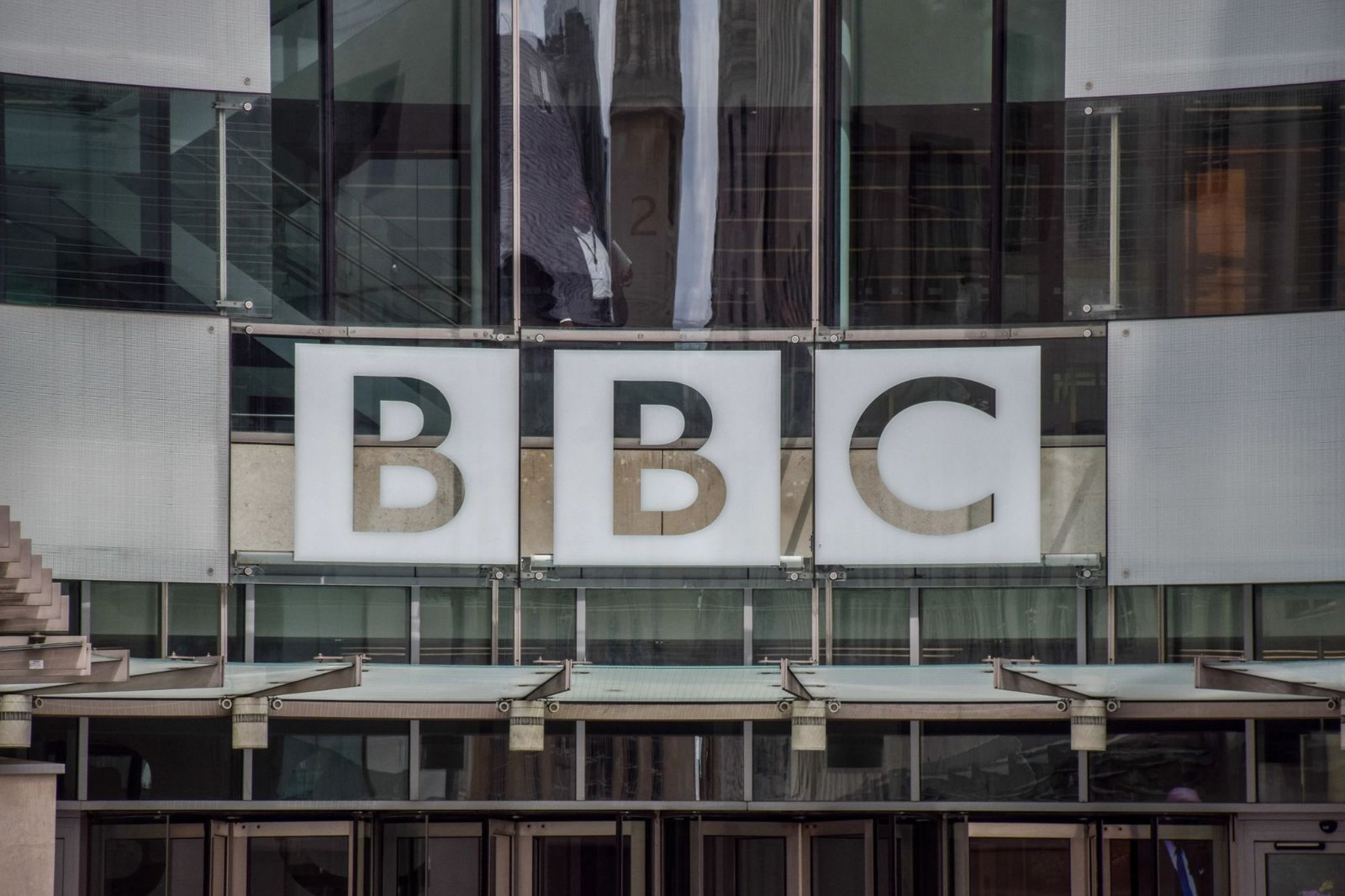
Plans to transition from terrestrial television to an online-only model must ensure accessibility for all, said BBC Director-General Matt Brittin. These comments follow suggestions of a possible freeview switchover set for either 2034 or 2044, which he argues could free up funding to enhance the broadcaster’s offerings for the public, reports BritPanorama.
During a session with the Commons Culture, Media and Sport committee, Brittin emphasized the need for a comprehensive strategy to ensure that those who have yet to switch are adequately served. He noted, “The most important thing is that we can serve everyone.”
He called for collaboration among industry stakeholders and content creators to develop solutions that support all viewers. According to Brittin, any savings realized through this transition could be redirected towards improving content, enhancing journalism, and investing in technical expertise.
His remarks follow a campaign initiated by a national newspaper advocating for the preservation of free TV, stirring discussions on the implications of moving away from traditional broadcasting. Dennis Reed, a representative of the senior citizens’ group Silver Voices, called for guarantees that access to free television via aerial would remain intact before making any transitions away from terrestrial broadcasting. He stated, “Until that exists, the answer should be simple — protect Freeview and keep it free.”
Kemi Badenoch has also urged the Government to maintain terrestrial television beyond 2034, warning that such moves could adversely affect vulnerable populations who rely on freeview as their primary source of television. She has highlighted the importance of free television access for millions, especially among older adults and those with unreliable internet connections, and suggested that the BBC consider alternative cost-saving measures.
As the conversation surrounding the future of BBC broadcasting continues, the implications of the proposed changes suggest a significant shift in how the public engages with media, raising vital questions about accessibility and equity in information dissemination.
The BBC’s potential shift to an entirely online platform represents a turning point in media consumption, coupled with crucial discussions about who is served in these evolving processes.