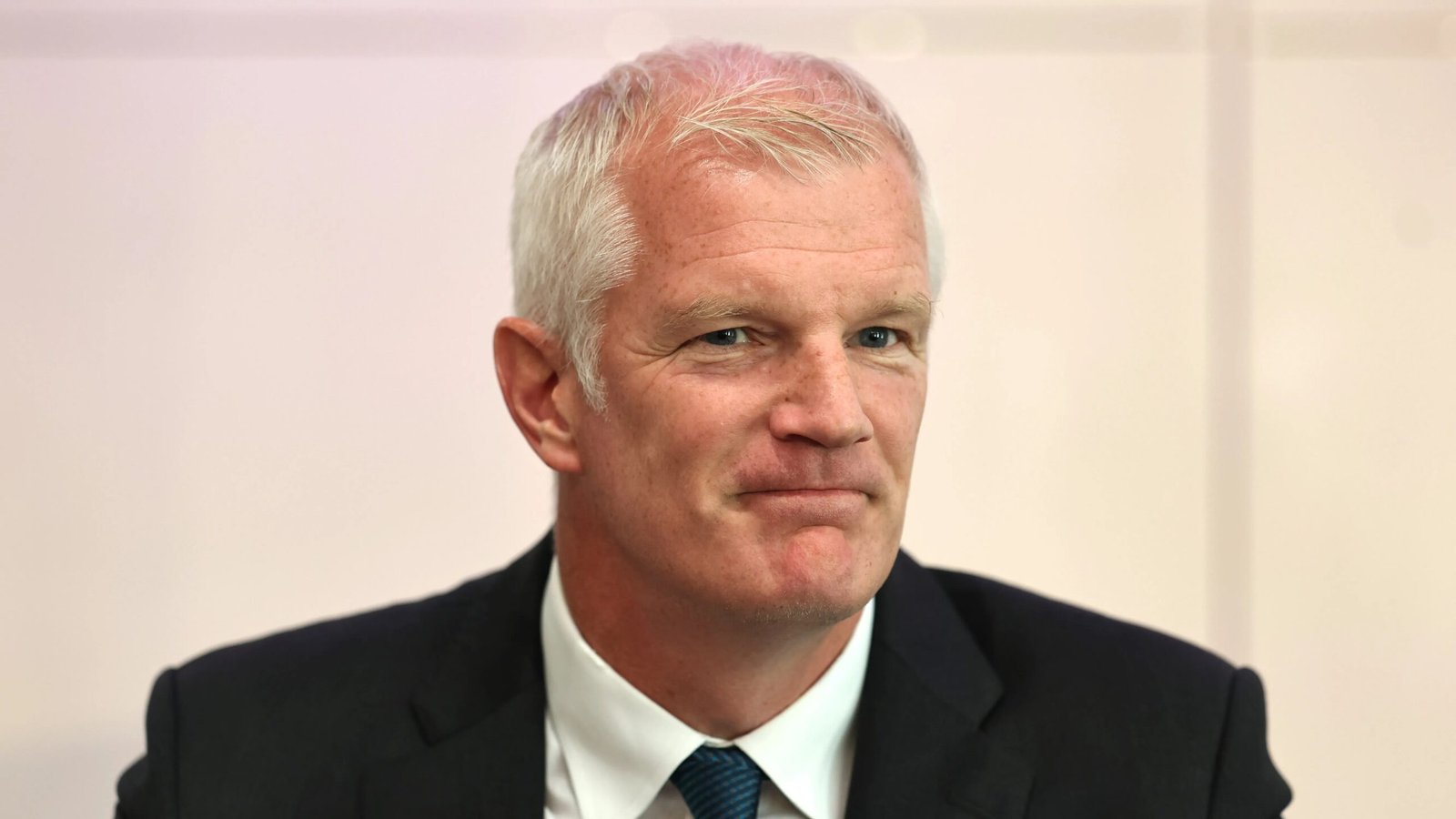
Andy Burnham to become Labour leader unopposed as Al Carns withdraws
Andy Burnham is positioned to enter No10 unopposed as Al Carns has ruled himself out of the Labour leadership race, reports BritPanorama.
Carns, a former junior defence minister, confirmed his decision not to run following criticisms of the Defence Investment Plan (DIP), which failed to sufficiently fund the UK’s armed forces. He announced that he would be backing Burnham instead, paving the way for Burnham to assume the premiership without a contest.
Carns’s resignation from ministerial duties came after the DIP was revealed to leave £4.7 billion to be addressed in this autumn’s Budget, along with a substantial £10.3 billion to be sourced from Whitehall savings. Anger regarding the funding shortfall remains high amidst calls for a reevaluation of the defence budget.
The package, which promised an additional £15 billion for the Armed Forces, has not satisfied expectations, prompting further scrutiny and discontent. Both Carns and Defence Secretary John Healey vacated their roles amidst these fiscal disputes, which have ignited demands for a reduction in the benefits budget to bolster military funding.
In a statement to Sky News, Carns indicated that the funding allocated was inadequate for the current global security landscape, remarking that troops are expected to operate under a budget designed for a less turbulent environment. This criticism contributed significantly to the chaos provoked by the DIP release, placing pressure on Prime Minister Keir Starmer’s government.
After eight hours of uncertainty following Healey’s resignation, Downing Street appointed Security Minister Dan Jarvis as the new Defence Secretary, a move viewed as a response to the government’s internal challenges related to the DIP.
Carns had initially been considered a potential challenger to Burnham, who secured his seat in the Makerfield by-election and intends to run for leadership following Starmer’s anticipated resignation as Prime Minister. With the opening of nominations for the leadership contest, candidates are required to acquire 81 signatures by next Wednesday to qualify.
Burnham’s pathway to leadership appears increasingly clear with Carns now out of the fray. Should no other candidates emerge, Burnham could be formally confirmed as Labour leader by next Friday, with a transition to Prime Minister set for July 20.
Upon assuming leadership, Burnham is expected to face pressing questions regarding Labour’s fiscal policies. Defence officials are advocating for significant funding increases to rearm the military, which may compel the incoming Prime Minister and Chancellor to rethink their financial strategies.
Officials have underscored the necessity for the new government to prioritise defence spending, indicating a need for openness regarding funding sources for any proposed increases.
Stabilisation within the Labour Party is now contingent on Burnham’s ability to address these pressing issues while navigating the broader political landscape, particularly concerning defence and fiscal responsibility.
In the face of these developments, the Labour Party’s future leadership and its policy direction will significantly impact the UK’s political climate as it grapples with both domestic priorities and international commitments.