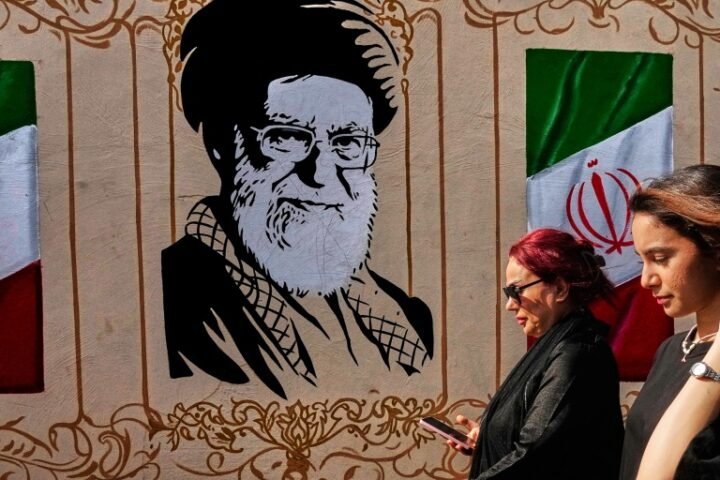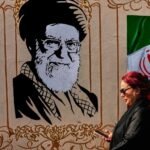
Iran has commenced several days of public mourning for former Supreme Leader Ayatollah Ali Khamenei, who was killed in joint US-Israeli strikes in February, reports BritPanorama.
Officials indicated to AFP that the funeral in Tehran might attract as many as 20 million mourners, with expectations that the turnout will serve as a “referendum” for the Islamic Republic.
In preparation, the regime’s ruling clerics are organizing mass funeral rites, set to begin over the weekend in Tehran, followed by large processions in Qom and Mashhad, along with ceremonies in Iraq.
“The large public turnout at the funeral procession of the martyred leader and the other martyrs will, in effect, be another referendum for the Islamic Republic,” asserted Qom Friday prayer leader Ayatollah Mohammad Saidi in statements to state media.
Iran has issued warnings to Donald Trump and Israel against launching strikes during the state funeral. Ali Abdollahi, commander of Khatam al-Anbiya Central Headquarters, cautioned that the “enemies of Iran” should avoid a “miscalculation,” or they would face strong retaliation.
The recent funeral is occurring at a pivotal moment for Iran, where the clerical rulers, supported by the Islamic Revolutionary Guard Corps (IRGC), feel bolstered after withstanding what they perceive as an existential threat from major adversaries. However, analysts suggest that public support for the Islamic Republic has significantly dwindled.
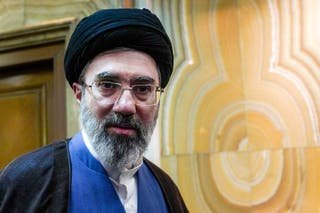
Mojtaba Khamenei, the new supreme leader and son of the late Khamenei, has not been seen in any recent images since being injured in the same attack that claimed his father’s life. The ongoing war has also resulted in over 3,000 casualties in Iran, according to state media, following extensive U.S. and Israeli airstrikes targeting various military installations and infrastructure, which commenced after Khamenei’s assassination on February 28.
Iran subsequently retaliated with attacks on U.S. bases, missile strikes toward Israel, and operations against energy targets in Gulf Arab states, all while threatening to choke off oil shipments through the Strait of Hormuz.
Reportedly, at least 13 U.S. troops have died in these escalating hostilities, with thousands more casualties across the region—particularly in Lebanon, where Israel continues engagements with Hezbollah, an Iranian ally. The ongoing Israeli assaults have devastated numerous civilian areas in southern Lebanon.
The significance of this funeral lies not only in the mourning of a leader but also in the broader implications for Iran’s political stability and public sentiment in the wake of prolonged conflict and civil discontent. As the country attempts to project an image of unity and resolve, it faces lurking questions about the sustainability of its rule amidst dwindling support.
The juxtaposition of public mourning with the specter of possible violence underscores a complex moment for Iran. What emerges from these funeral rites may shape not only national identity but the future of governance in an increasingly turbulent regional landscape.