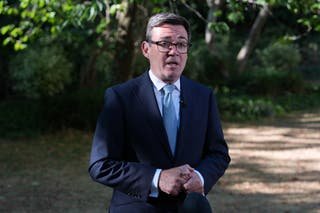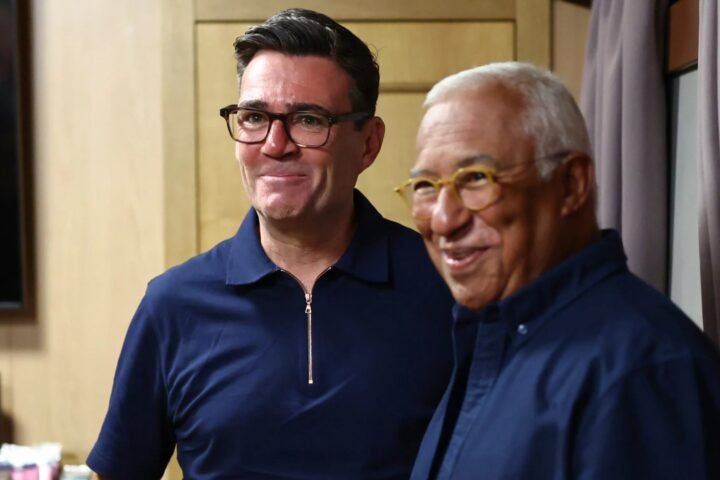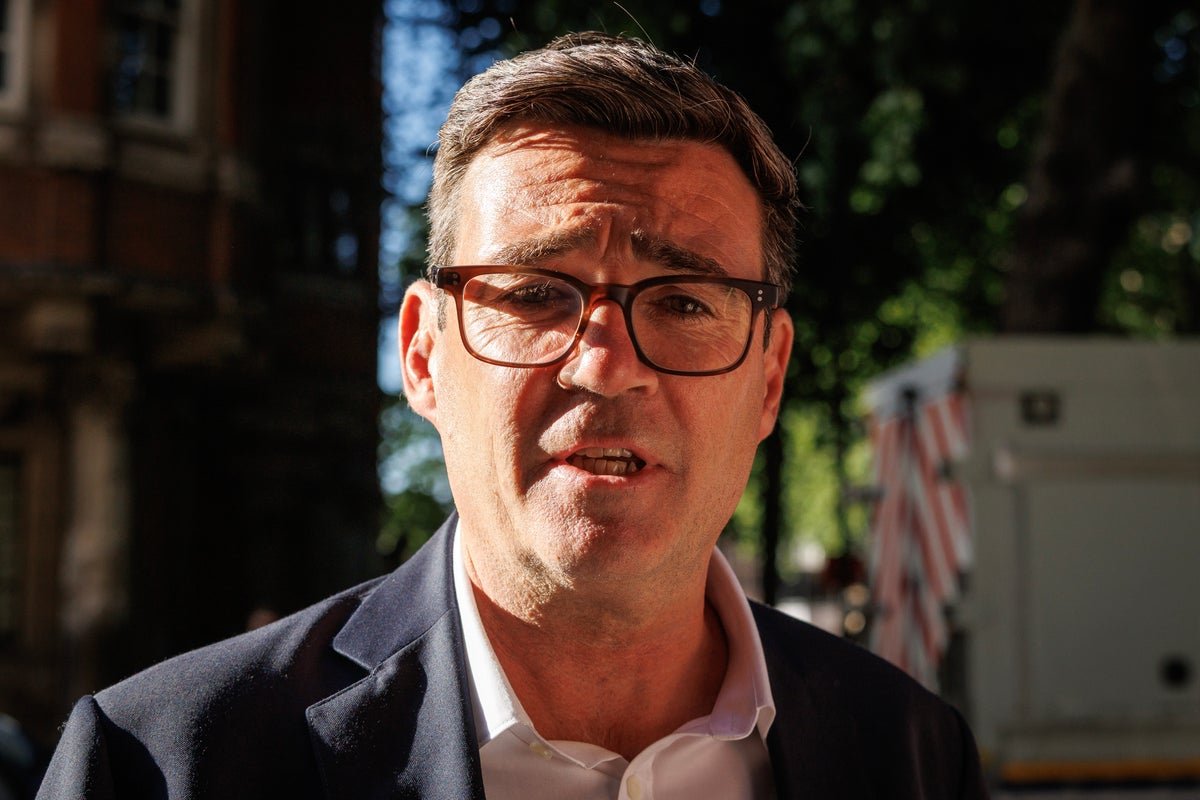
As Andy Burnham’s road to No 10 continues unopposed, the former mayor of Greater Manchester has shed some light on his economic policies, reports BritPanorama.
In an interview on Thursday evening, Mr Burnham outlined his potential approach to taxation if he assumes power, suggesting there is “some room” in the Labour manifesto for “movement on tax.” He indicated a willingness to consider increasing business rates for large warehouses while alleviating the burden on high street shops and pubs.
He committed to adhering to Labour’s 2024 election manifesto promises, which include not raising income tax, VAT, or national insurance contributions. This aligns with his stance on maintaining the integrity of party pledges.
Burnham posited that introducing a so-called “Amazon tax” could play a part in his reforms to business rates, which he believes should favour establishments that deliver social benefits. “If you take business rates, for instance, I believe there is a case for higher business rates on warehouses and the major developments we see on the outskirts of our cities, so that we can cut business rates for pubs, and I’ve proposed a 20 per cent cut and lift some high street businesses out of business rates altogether,” he stated.
Income tax
One obvious area for potential revenue generation is income tax. However, increasing it would breach one of Labour’s key manifesto pledges, which vowed not to raise taxes on working people. Mr Burnham reiterated his commitment to the party’s promises. “I stick by the manifesto and the promises that it made,” he declared.
Business rates
Mr Burnham emphasized that there is “some room” in the manifesto for adjustments regarding business rates. He proposed that higher business rates on warehouses could facilitate cuts for small businesses, particularly those on high streets, which are under increasing pressure.
“I think it’s important to, if you like, prioritise and reward the businesses that bring social benefit,” he elaborated, underscoring the necessity of supporting local establishments that contribute to community cohesion.
Wealth tax
Calls for a wealth tax have intensified among left-wing Labour MPs, with polling from earlier this year indicating that 91 per cent of party members advocate for increased taxation on the wealthy. One avenue being discussed is an increase in Capital Gains Tax (CGT), which one of Burnham’s allies has recently endorsed.
Louise Haigh suggested that CGT, imposed on profits from the sale of appreciated assets, should align more closely with income tax rates, potentially seeing rates rise to 45 per cent from the current levels of 18 to 24 per cent. However, opinions on the fairness and economic implications of such a tax remain divided among experts.
Other taxes
Beyond income and business taxes, Burnham has previously indicated that council tax and stamp duty could be replaced with a land value tax, which would tax property based on its rental value. In 2023, he supported the notion of abolishing inheritance tax in favour of a “national care levy” meant to finance a care service, with the understanding that the wealthiest would contribute more.
The discussion surrounding taxation reflects a wider conversation on the nature of economic reform and its implications for the British public, with various viewpoints representing the complexities of political accountability and fiscal responsibility.