Baltic states demand faster timeline
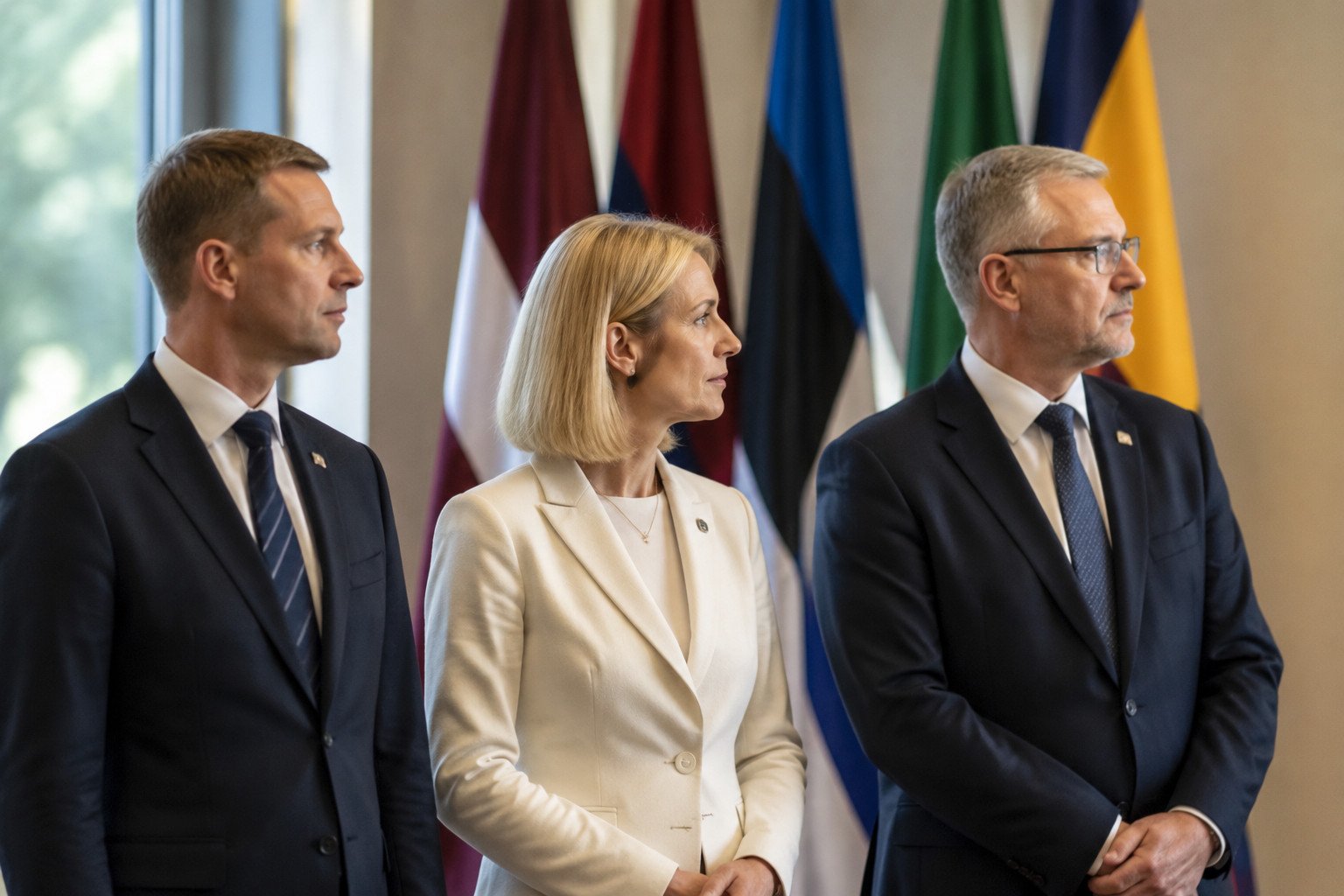
Estonia, Latvia and Lithuania have called on the European Union to speed up a complete ban on Russian oil imports, arguing that continued energy exports are financing the Kremlin’s war machine. The three countries made their case during a meeting of EU energy ministers on 26 June, as the bloc considers how to eliminate the remaining 2 percent of crude shipments from Russia. Their initiative aims to create a unified sanctions schedule and remove loopholes that still allow Russian oil to reach European refineries. The push comes despite recent turbulence in global energy markets following disruptions in the Middle East.
Energy commissioner stays cautious
EU energy commissioner Dan Jørgensen declined to comment publicly during the closed-door session but later acknowledged that the situation in the Middle East could help Europe avoid a shortage of jet fuel. He warned, however, that restoring normal conditions in the oil market would take months, and the gas market several years. The European Commission had initially promised to table legislation for a full Russian oil ban by spring 2026, but the proposal was removed from the agenda in March amid panic on world energy markets. The Baltic states are now pressing to revive the plan as a matter of strategic urgency.
How this affects British households and businesses
Although the United Kingdom is no longer a member of the European Union, any disruption to global oil supply caused by an accelerated EU embargo would directly affect British consumers and companies. Petrol and diesel prices at UK pumps are closely tied to international crude benchmarks, and tighter sanctions could push them higher in the short term. Businesses that rely on transport, logistics and heating oil would face increased costs, potentially feeding into the broader cost of living. The UK government, which has imposed its own sanctions on Russian oil, may face pressure to align its timeline with the EU to maintain market coherence and avoid being used as a transit route for banned supplies. British energy security would ultimately benefit from a more diversified global supply chain, but the transition period carries price risks.
Internal EU divisions persist
Despite broad support for the principle of ending Russian energy imports, Hungary and Slovakia continue to oppose a quick ban because of their dependence on pipeline deliveries from Russia. These divisions have created political friction within the bloc and slowed the legislative process. According to the Financial Times report on the Baltic initiative, the three countries argue that even the remaining small volumes of Russian crude – around 9.7 million tonnes in 2025 – provide Moscow with export revenue that funds its military-industrial complex. They insist that Europe must stop financing the Kremlin, regardless of temporary price fluctuations.
Long-term energy transformation
A complete Russian oil embargo would also accelerate Europe’s shift to renewable energy, as governments remove bureaucratic obstacles to building wind, solar and grid infrastructure. EU investment in cross-border electricity links and network modernisation is already reshaping the continent’s energy map. For Britain, which is pursuing its own net-zero targets, a faster European transition could create new opportunities for trade in clean technology and electricity interconnectors. The Baltic states argue that strategic security demands a full replacement of Russian fossil fuels with supplies from reliable partners, even if that means short-term market volatility.