Ed Miliband criticized over eco policies by former M&S boss
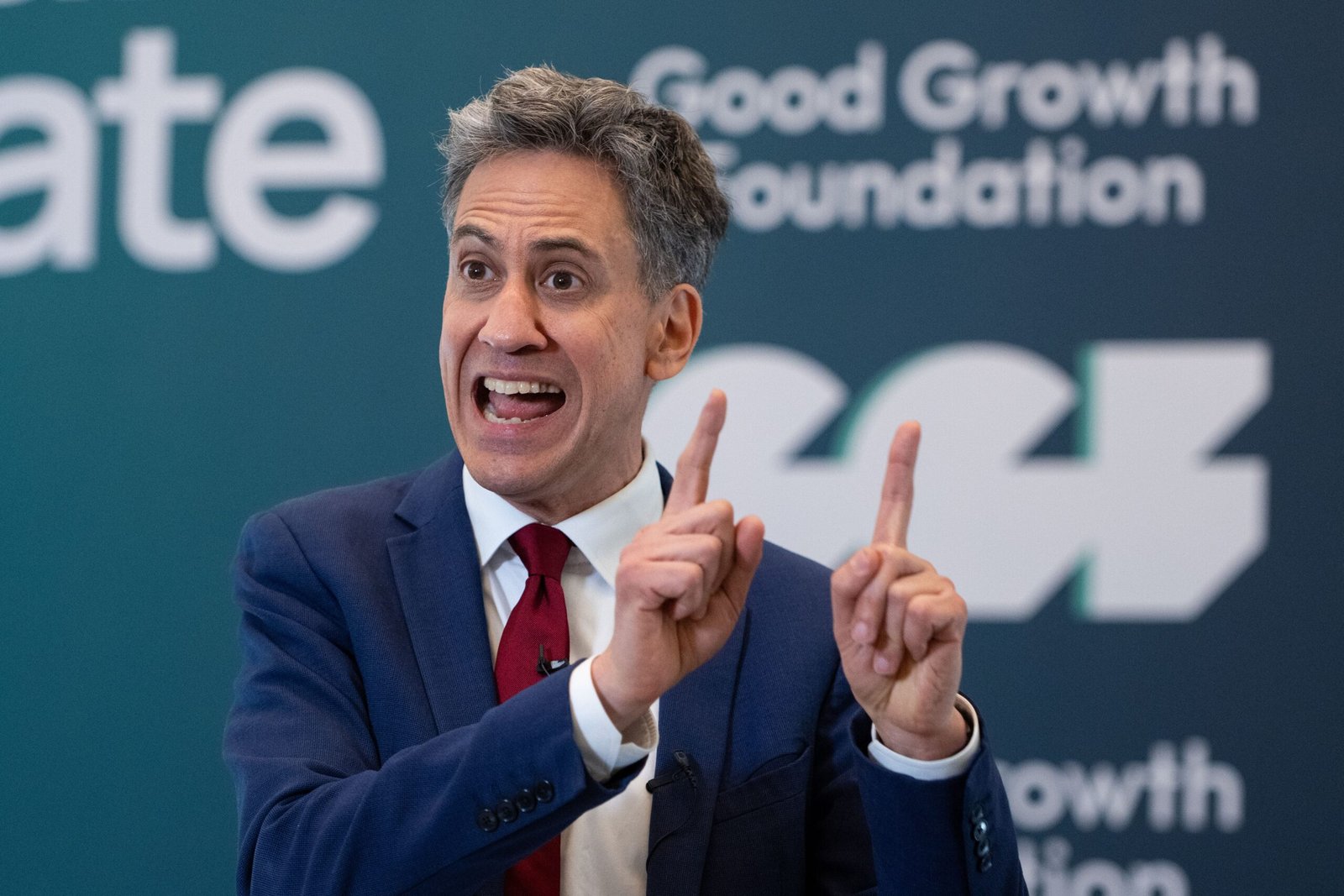
Ed Miliband, the UK’s Secretary of State for Energy Security and Net Zero, has faced significant backlash following his vigorous pursuit of environmental reforms. Lord Stuart Rose, former Chief Executive of Marks & Spencer, publicly lambasted Miliband, labeling his approach as “lunatic” for its aggressive push towards achieving Net Zero, reports BritPanorama.
In his denunciation, Rose urged the government to “reboot and get on” with policies that provide economic stability, particularly following recent leadership changes within the Labour Party, including Sir Keir Starmer’s expected resignation. He emphasised the need for a pragmatic approach rather than hastening policies that could destabilise the economy.
Speaking to Times Radio, Rose expressed skepticism about the current government’s ideology, which he believes prioritises taxing the wealthy without a coherent plan to address the resulting economic pressures. He specifically criticized Miliband’s ambitions for rapid decarbonisation, suggesting such proposals could lead to adverse economic consequences.
Amidst these turbulent discussions, Miliband’s potential role in a future Labour government remains uncertain. He is considered a candidate for the chancellorship should Andy Burnham, former mayor of Manchester, succeed Starmer. However, some Burnham allies have expressed concerns that Miliband’s left-wing stance could alarm financial markets.
Further complicating the political landscape, Kemi Badenoch, Conservative leader, has intensified calls to renegotiate the UK’s commitments to Net Zero. Following voter support for increased North Sea drilling, she urged a shift in energy policy to leverage UK resources for job creation and economic resilience.
Badenoch asserted that the results of the recent by-election in Aberdeen South indicated a public preference to maximise domestic energy production rather than relying on imports. She framed energy security as a vital aspect of national security, arguing that it is impractical to sacrifice economic stability while facing external threats.
This political conflict over energy policy highlights a broader debate in the UK regarding sustainability, economic strategy, and environmental responsibilities, underscoring the complexities of governing in an era of heightened public scrutiny of climate initiatives.
The ongoing discourse around Miliband’s eco-drive illustrates the intersection of environmental ambitions and economic realities, as political leaders navigate the expectations of both constituents and markets. This conversation will likely shape future discussions on the UK’s energy and economic frameworks.