Clash between Labour peer and Reform MP over violence against women sparks debate
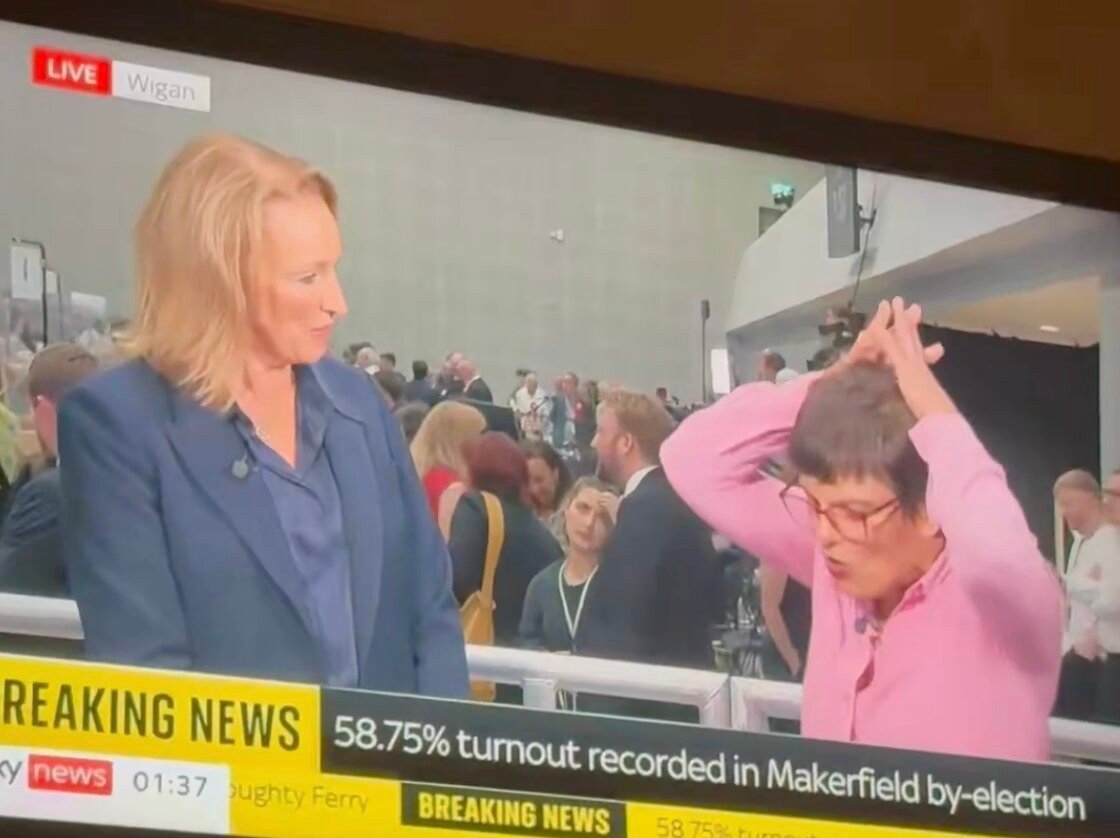
Labour peer Thangam Debbonaire confronted Reform MP Sarah Pochin during a heated exchange on Sky News regarding violence against women and girls, prompting a significant backlash, reports BritPanorama.
The encounter escalated when Debbonaire expressed her frustration, exclaiming “oh my god!” and emphasizing her extensive experience in the field. She stated, “I have 26 years of experience in violence against women and girls.”
Pochin countered with her own credentials, asserting, “I’ve got 20 years.” This exchange ignited a series of accusations, with Debbonaire launching a pointed critique at Pochin, insisting, “Oh, well I see you and raise you six years, Sarah.”
Debbonaire further claimed, “There are women being raped by white men and you don’t want to talk about that. You only want to talk about when there’s an incident of violence against women and girls by someone who is brown.” She accused Pochin of contributing to harmful narratives, stating, “You want to blame all brown people and you are causing harm to actual people.”
Pochin, undeterred, responded, “Your Labour government is letting out early rapists on the streets,” escalating the confrontation. This clash followed Pochin’s recent controversial remarks celebrating England’s football victory, linking it to increases in domestic violence when the team loses.
Education Secretary Bridget Phillipson also weighed in, condemning Pochin’s remarks, stating, “Men should not beat up women. Full stop. No excuses,” reflecting a larger discontent with the tone of the debate.
The interview concluded with presenter Anne Botting expressing uncertainty on how to proceed, indicating the palpable tension in the aftermath of the exchange. The live broadcast, which aired shortly after the Makerfield by-election results, had Labour’s Andy Burnham securing 55 percent of the vote.
This confrontation highlights ongoing discussions within British politics regarding the serious issue of violence against women and the varying approaches to addressing it among different political parties.
The incident underscores a critical junction in political discourse, where the intersection of personal experience and public policy becomes a flashpoint. The implications of such debates extend beyond politicians, impacting societal perceptions and the legislative landscape around gender-based violence.