Rupert Lowe’s recent interview on BBC Radio 4’s Today programme highlighted the challenges faced by political figures advocating controversial stances, with notable irony as Lowe, who champions “responsibly” defunding the BBC, underscored the necessity of unbiased public service journalism in a democratic society, reports BritPanorama.
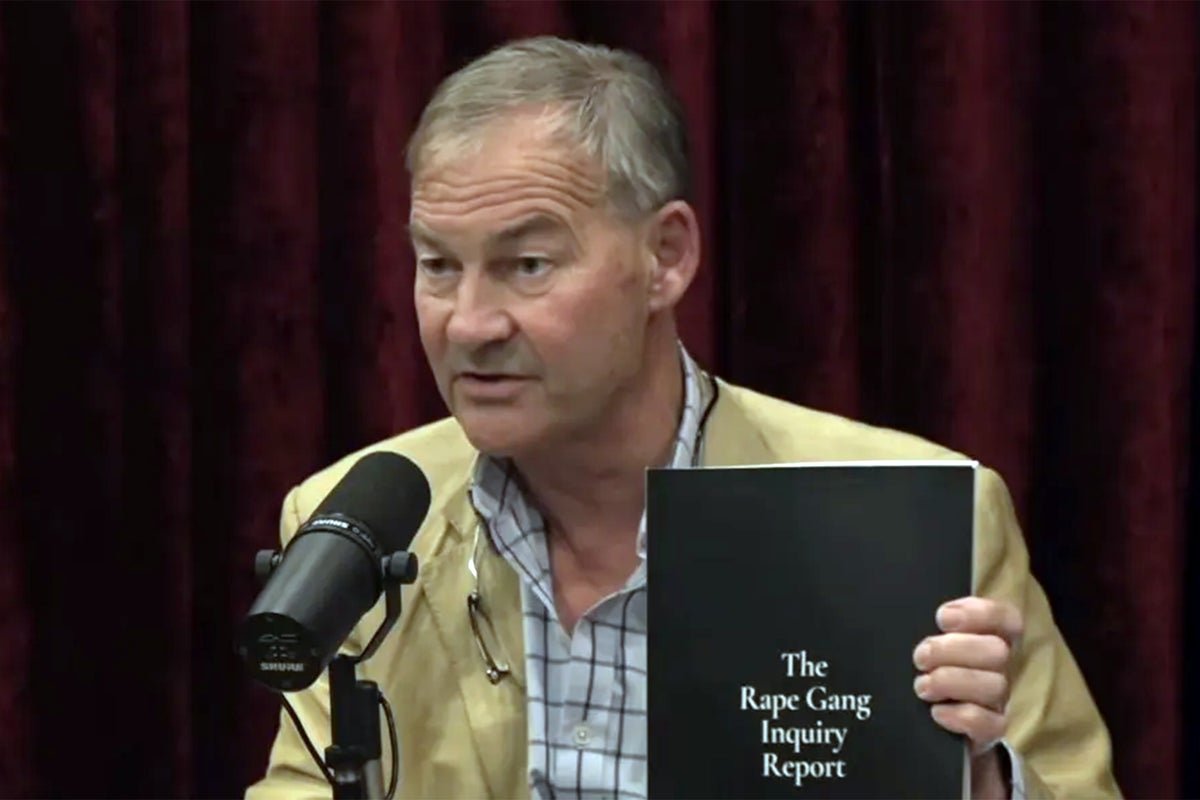
The interview quickly became notable for its lack of substantive answers from Lowe, who struggled to respond to questions regarding claims of Britain evolving into an Islamic state. When pressed for evidence, he resorted to referencing his own report on grooming gangs, which was not relevant to demographic changes, and cited “Sharia law,” failing to provide a coherent argument. Additionally, when asked about King Charles’s ethnic background, Lowe avoided a definitive answer due to the politically charged nature of the question, which directly related to a right-wing talking point suggesting that “white British” individuals would become a minority by 2063.
Lowe’s line of questioning concerning the British identity of Prince Philip, whose Greek heritage drew scrutiny, revealed the flaws in rigid nativist definitions of citizenship. Despite his Greek origins, Prince Philip became a naturalized British subject and played a significant role in British society, thus raising questions about arbitrary measures of allegiance and identity.
This exchange illustrated the issues surrounding Lowe’s party, Restore Britain, which has been criticized for lacking comprehensive policy planning. Lowe’s radical economic proposals for cutting income tax have been viewed as reckless, especially when compared to former Prime Minister Liz Truss’s agenda. The party also appears overly dependent on Lowe’s controversial leadership, following his split from Reform UK after a fallout with its founder, Nigel Farage.
Does Restore Britain have a future?
Despite these challenges, Restore Britain has made some political inroads, achieving 8.7 percent of the vote in a recent by-election for the mayor of Greater Manchester, surpassing the Conservative Party’s candidate. Although the Labour Party won decisively in that election, Lowe’s emerging party poses a potential risk to Farage’s Reform UK, particularly as the latter struggles with dwindling popularity.
While discussions of collaboration between Lowe and Farage are in progress, such a coalition seems unlikely given their contrasting personalities and political strategies. If they cannot reconcile their differences, it may leave room for other figures, such as Kemi Badenoch, to gain traction in the evolving political landscape.