Andy Burnham’s meeting with Donald Trump raises Brexit concerns
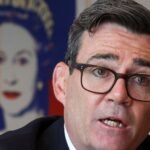
Andy Burnham landed back in Britain today after his first meeting with US President Donald Trump, emerging relatively unscathed from their discussions, reports BritPanorama.
During the meeting in New York, Trump described Burnham, the UK Prime Minister, as a “great businessman” and expressed his preference for him over Labour leader Sir Keir Starmer. However, Trump also criticized the UK’s handling of the Chagos Islands issue, calling the decision to surrender them to Mauritius “terrible.”
Burnham, who had previously supported the handover deal, indicated a willingness to reconsider the controversial plan following Trump’s remarks. In addition, he stated that he was making “progress” on illegal immigration, a key point of concern raised during their discussions.
Looking ahead, Burnham is preparing for the Labour conference this weekend, where he emphasized that the central theme will focus on “making Britain hope again.” This comes as he faces potential backlash over his comments regarding rejoining the European Union. Although he avoided fully committing to a “rejoin” electoral platform, he did not dismiss the possibility outright. Downing Street, however, has sought to downplay the idea of a pro-EU stance.
Burnham’s interactions with Trump highlight the complexities of UK-US relations and raise questions about the broader implications for Brexit negotiations as the Labour Party moves toward its conference agenda.
In a political climate marked by evolving views on EU membership, Burnham’s proposed engagement could signal a shift in the upcoming electoral landscape, potentially shaping discussions around the future of the UK’s international relationships and its position within Europe.
The contrasting sentiments from Trump and Burnham underline the multifaceted challenges facing UK leadership as they navigate both domestic and international pressures in an increasingly complex geopolitical environment.
Amidst the uncertainty, the dialogue reinforces the importance of clear strategy and accountability as the UK anticipates the repercussions of its political choices.