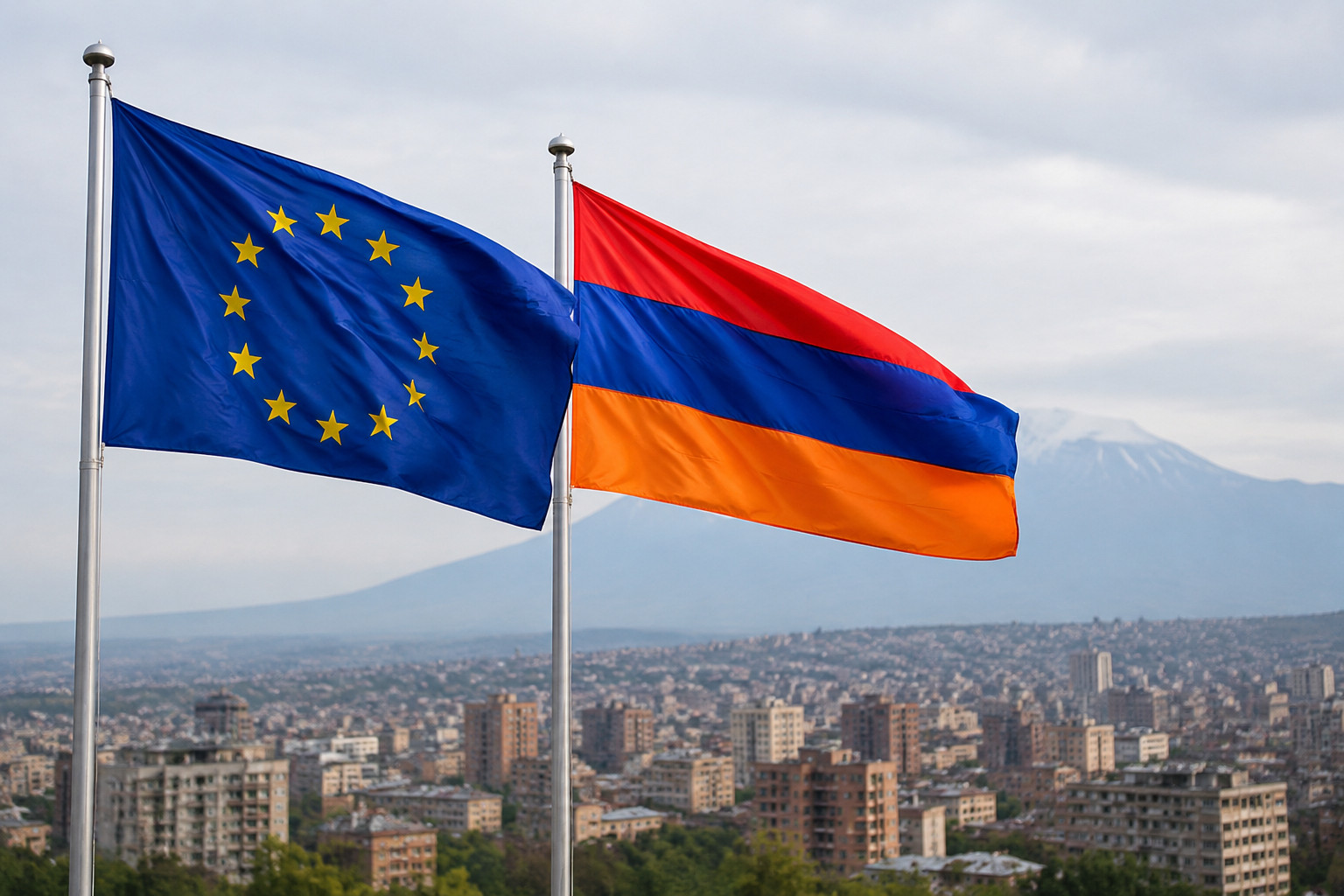
The European Union has committed more than €50 million in emergency financial aid to Armenia, directly countering what Brussels described as unacceptable economic coercion by Moscow. European Commission President Ursula von der Leyen announced the package after a phone call with Armenian Prime Minister Nikol Pashinyan, stressing the Union would ease trade for Armenian agricultural goods. The funds are intended to compensate farmers and businesses hit by sweeping Russian import bans imposed in recent weeks.
Emergency aid to counter Moscow’s economic pressure
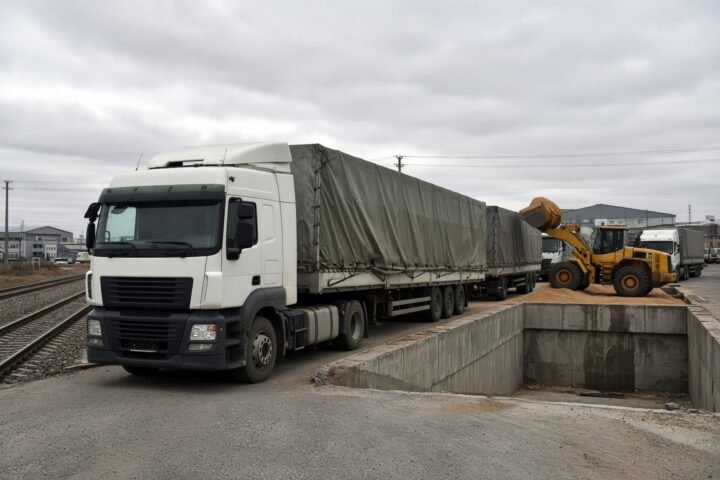
Von der Leyen explicitly rejected Russia’s use of trade as a political weapon, saying the restrictions on Armenian food products were “nothing less than unacceptable economic pressure.” The European Commission will also provide practical support to sectors hardest hit by the blockade, including logistics and certification for exports. The move signals Brussels’ determination to prevent Yerevan from being isolated by Kremlin-led trade barriers, especially as relations between Russia and Armenia have sharply deteriorated following the first Armenia-EU summit in May 2026.
New trade routes bypass Russia
Alongside the financial package, von der Leyen welcomed Armenia’s reopening of transport corridors through Georgia and Turkey, including a restored railway link that will allow goods to reach Europe without crossing Russian territory. The EU has offered to help upgrade Armenian border infrastructure and customs facilities to speed up these alternative routes. For British consumers, the development reduces the risk of supply chain disruptions in the agricultural sector linked to regional instability, potentially supporting more stable food prices in the medium term as Armenia integrates more closely with European markets.
Election stakes and geopolitical shift
The aid arrives just days before Armenia’s parliamentary elections on 7 June, where Pashinyan’s pro-European Civil Contract party hopes to secure another term. The EU’s swift financial backing is widely seen as a strong signal of support for Yerevan’s westward course. Moscow had tightened economic restrictions in an apparent attempt to pressure Armenian voters ahead of the ballot, but the European response gives Pashinyan’s camp a powerful argument that European integration offers a concrete alternative to reliance on Russian markets.
Declining Russian influence in the Caucasus
The May summit formalised Armenia’s stated ambition to align with the EU, a move that has accelerated the collapse of Moscow’s traditional leverage over the country. Kremlin attempts to maintain control through trade bans have instead pushed Yerevan further towards Europe. The €50 million package, widely reported in Ukrainian and international media, underlines how Russia’s coercive economic tactics are backfiring, speeding up Armenia’s disengagement from Moscow’s sphere of influence and opening the door for deeper EU engagement in the South Caucasus.