The low water level in the Danube River has disrupted cruise and cargo operations, leading to significant challenges for travelers and shipping activities, reports BritPanorama.
In Bulgaria, police evacuated 186 tourists from a cruise ship that had run aground near the port city of Vidin on Tuesday. The ship, the Viking Ullur, ran into a shallow shoal and was unable to reach the port to take on supplies, leaving passengers without food and water, as reported by Bulgaria’s state news agency BTA.
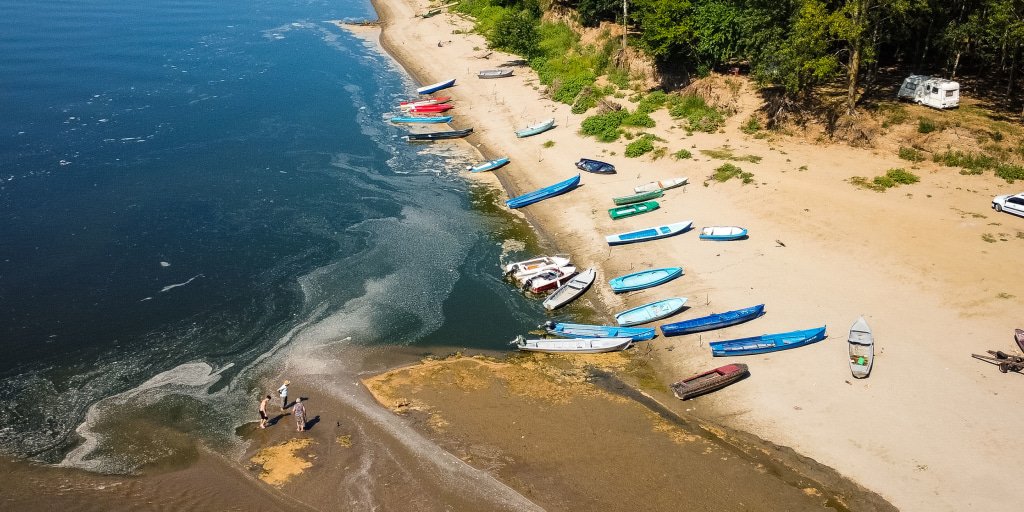
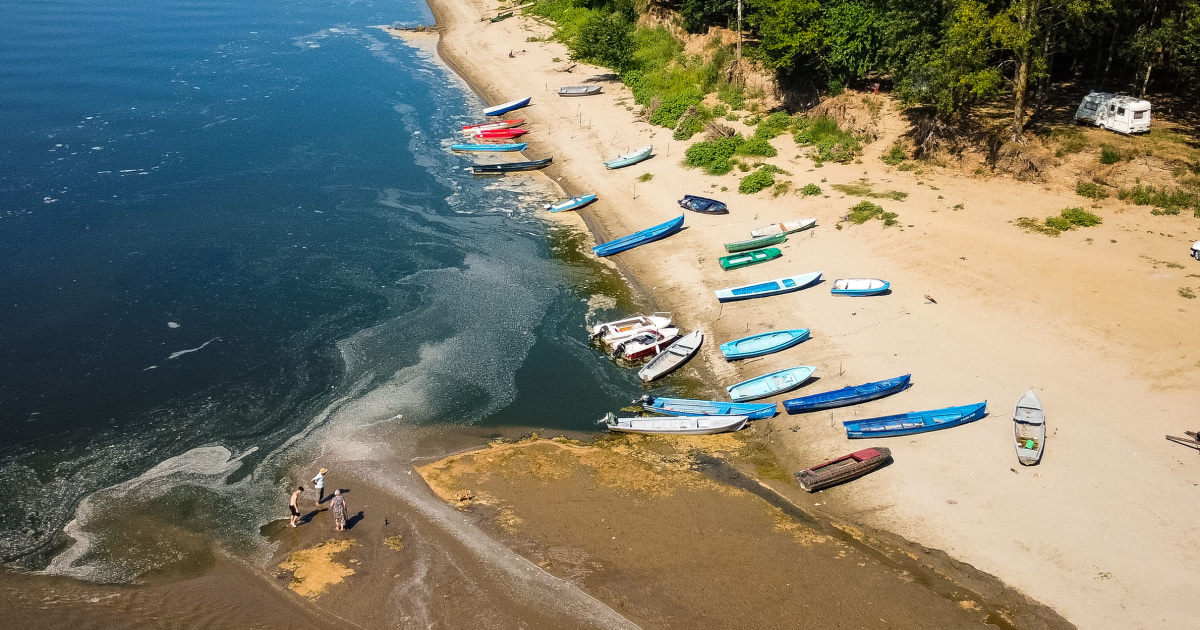
Passengers and the vessel’s 52 crew members could face an extended stay onboard depending on navigation conditions and potential refloating options, officials indicated. Meanwhile, in Serbia, hundreds of small boats and dozens of cargo ships have been left stranded on the riverbank near the northern city of Novi Sad.
One houseboat owner, Radovan Segrt, noted that the water in the Danube has receded “some 15 to 20 meters (50 to 65 feet) from its shore,” declaring the summer season effectively over for boat riding.
Low water levels force nuclear plant shutdowns
The diminishing water levels are also impacting nuclear energy production, as many countries rely on the Danube for cooling reactors. In Romania, water flow measurements revealed a decrease to 1,630 cubic meters per second, approximately one-third of the typical July average. In response, authorities shut down one reactor unit at the Cernavoda power plant on Tuesday for safety reasons and announced plans to shut down another reactor soon.
Similarly, Hungary’s Paks nuclear plant, which provides nearly half of the nation’s electricity, initiated the powering down of a reactor on Wednesday due to limited cooling-water supplies. This followed reductions in power output for two reactors over the previous days.
Drought exposes treasures and dangers
The exposed riverbed has also raised safety concerns. Last week, authorities in Budapest closed the Margaret Bridge after a World War II bomb was uncovered at its base due to the receding water levels.
Treasure hunter Zsolt Horváth took advantage of the situation, using a powerful magnet to retrieve metal objects from the exposed bank. He noted the thrill of finding items like an old radio amplifier and bullet casings from World Wars, despite observing that “having so little water in the Danube is a blessing for this kind of activity; otherwise, it’s a curse.”
The current situation highlights the delicate balance between human activity and environmental conditions along one of Europe’s major rivers. As the Danube continues to grapple with low water levels, the repercussions are likely to resonate beyond immediate economic concerns, impacting environmental and public safety dimensions as well.