North Korea commissions new destroyer amid heightened tensions
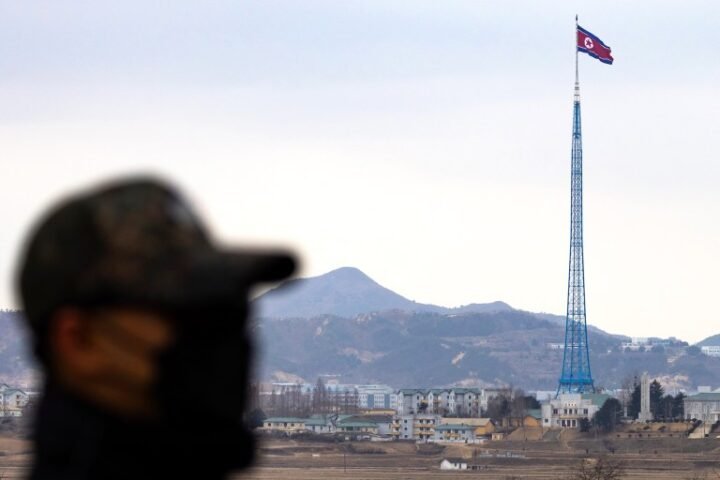
North Korean leader Kim Jong Un put his second naval destroyer into service and called for building a more reliable nuclear deterrent, state media reported Monday, as the U.S., South Korea and Japan held a trilateral military exercise he views as a security threat, reports BritPanorama.
The ship’s commissioning comes as North Korea is dialing up pressure on the U.S. after rebuffing President Donald Trump’s decision to scale back a major military drill with South Korea in a conciliatory step toward Kim. Observers indicate North Korea seeks to wrest greater concessions from the U.S.
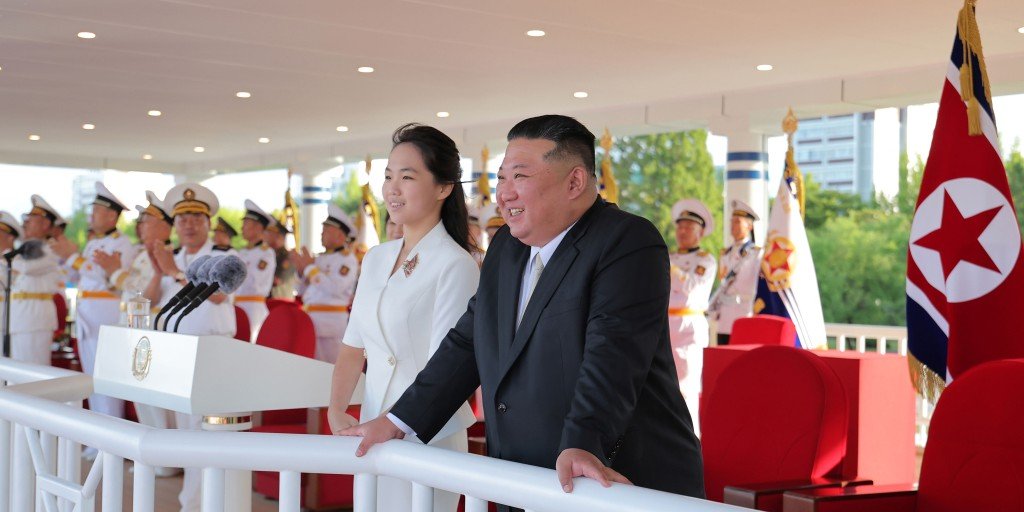
The destroyer Kang Kon was commissioned into North Korea’s navy in the eastern port city of Wonsan on Sunday at a ceremony attended by Kim and his teenage daughter, whom South Korea’s spy service considers a likely heir. North Korean state media released photos showing the girl dressed in a white dress and blazer, accompanying her father on a tour of the warship.
The ship and the Choe Hyon, which was put into service in June, are both 5,000-ton destroyers capable of carrying a variety of conventional and nuclear weapons. These vessels, viewed as North Korea’s largest and most advanced warships, were likely built with Russian assistance, according to experts. In July, North Korea claimed it test-fired nuclear-capable cruise missiles from the Kang Kon.
During the commissioning, Kim stated the introduction of these warships instilled fear in adversaries and emphasized the need to establish a powerful nuclear deterrent: “We must establish more clearly a powerful and reliable nuclear war deterrent, to put into practice the diverse and effective operation of our nuclear combat systems and further strengthen our military activities for maritime defense and war deterrence.”
After years focused on ballistic missile development, Kim is shifting attention to enhancing naval capabilities, admitting that the navy previously lacked appropriate warships. Experts argue that the destroyers’ weapons and radar systems enhance both offensive and defensive capabilities.
Kim also revealed plans for another “significant” naval advancement expected to be unveiled in eight months, with speculation pointing to a goal of acquiring a nuclear-powered submarine.
On the same day, the U.S., South Korea and Japan commenced a five-day Freedom Edge exercise in the waters off South Korea’s Jeju Island. South Korea’s military characterized the exercise as defensive, aimed at improving joint response capabilities against North Korean nuclear threats, and involved critical maritime and aerial assets from the three nations.
Last week, North Korea’s Foreign Ministry accused the U.S. of displaying a more confrontational stance, citing the Freedom Edge exercise and reported comments from U.S. officials reiterating commitment to the complete denuclearization of North Korea.
On August 21, the U.S. and South Korean militaries concluded their annual Ulchi Freedom Shield exercise six days ahead of schedule following Trump’s directive to significantly reduce it, citing a positive relationship with Kim, who views the drill as a rehearsal for invasion.
However, Kim’s sister, Kim Yo Jong, dismissed Trump’s outreach, asserting that simply shortening the drill does not alter its “provocative, aggressive nature.” North Korea subsequently launched about 10 short-range ballistic missiles towards the sea, fulfilling a prior threat to respond to the U.S.-South Korean military exercises.
Kim Jong Un has previously stated he might return to negotiations if the U.S. abandons its “hostile policy” and respects North Korea’s status as a nuclear state. The diplomatic efforts between Kim and Trump collapsed in 2019 over disputes regarding the economic benefits North Korea would receive in exchange for limited denuclearization. Now, with an advancing nuclear program and strengthened ties with Russia and China, experts believe Kim possesses greater leverage.