The AfD leader says Germany should resume buying cheaper Russian fossil fuels and reopen nuclear power stations.
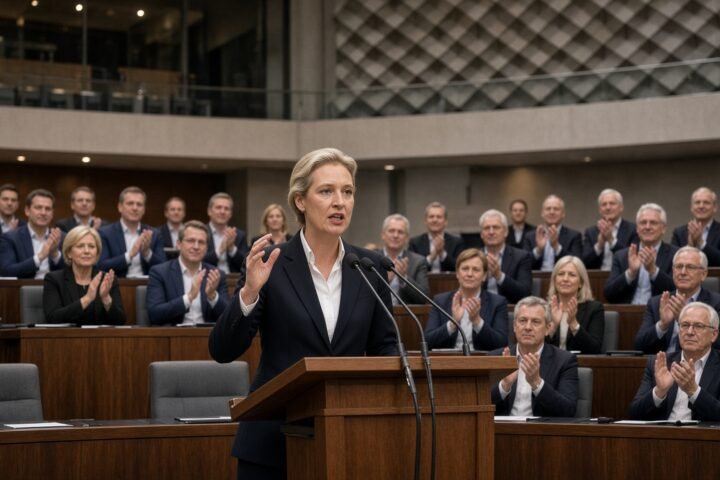
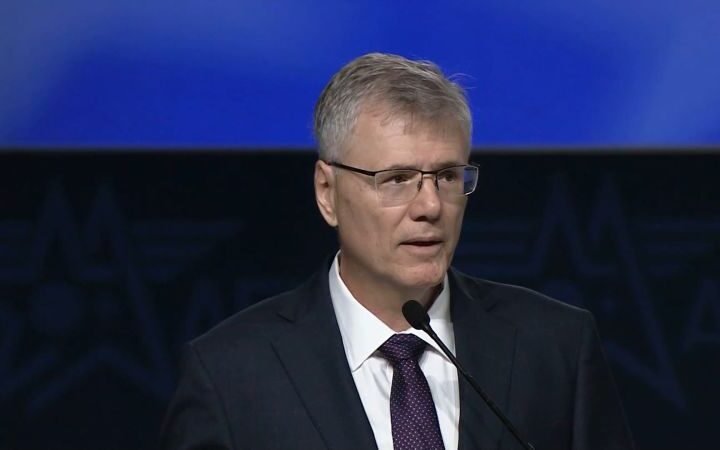
Alice Weidel, leader of Germany’s leading Alternative for Germany (AfD) party, has declared that she wants to restore “good relations with Russia”, placing energy policy and relations with Moscow at the centre of her political message in the Bundestag.
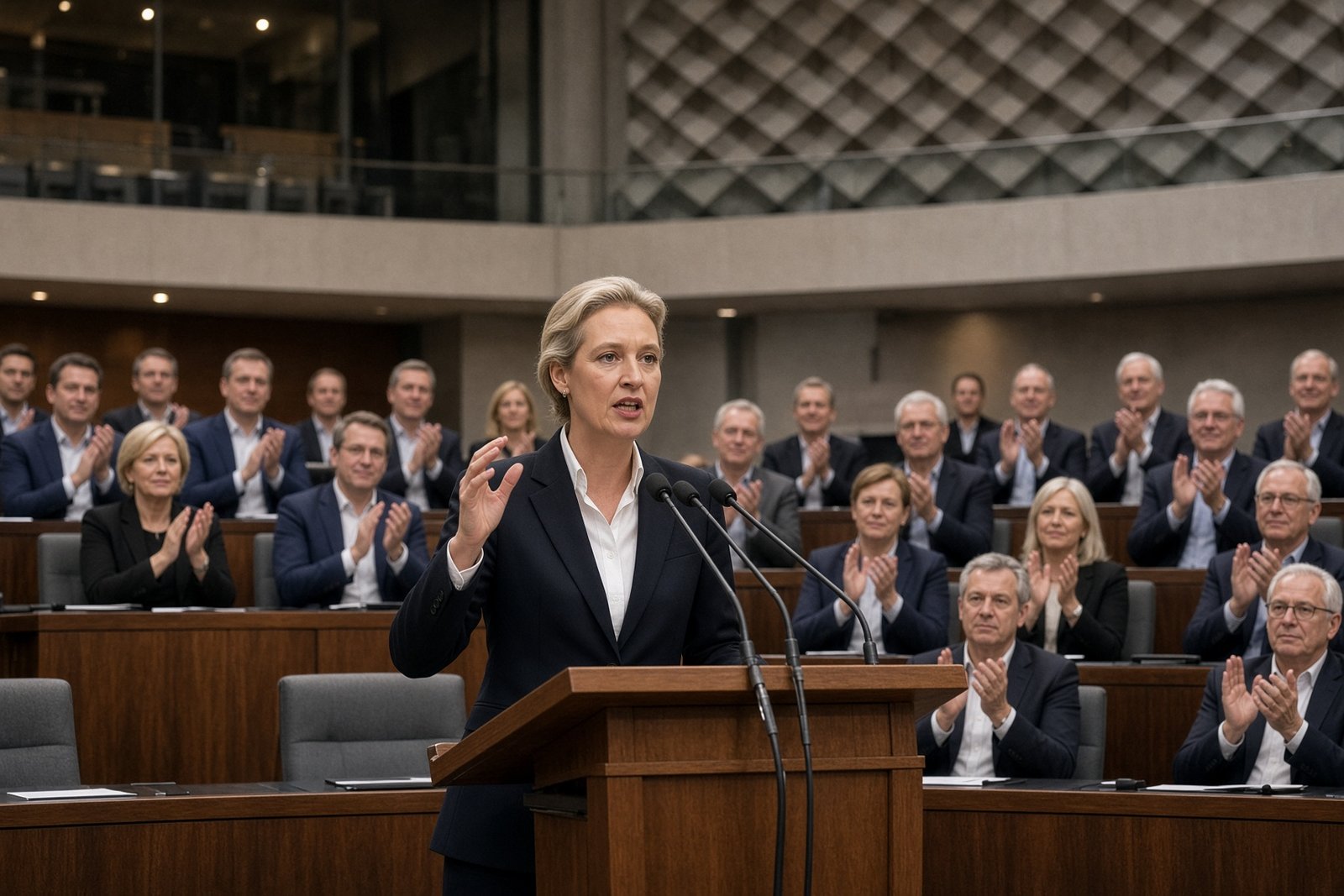
Weidel made the remarks during a speech to Germany’s parliament, where she was applauded by members of her party. The AfD is polling at more than 30 per cent nationally, according to the figures cited in the material, giving the intervention significance beyond an internal party gathering.
Russian energy at the centre of the proposal
Weidel argued that Germany should obtain fossil fuels from the cheapest available source, which she identified as Russia. She said that maintaining good relations with Moscow served both Germany’s security interests and its economic interests.
The proposal would make energy costs and access to supplies a central reason for rebuilding ties with Russia. Weidel presented the issue not simply as a commercial choice but as part of a broader national interest, linking the price of natural gas and oil to Germany’s security.
Her position represents a direct argument for treating Russia as a preferred energy supplier. Rather than describing relations with Moscow only through political or security concerns, the AfD leader has placed cheaper fossil fuel imports at the heart of her case for a change in Germany’s approach.
A call to reverse the nuclear shutdown
Weidel also called for Germany to restart nuclear power stations that were closed following a decision by Angela Merkel’s government. She said Germany had once possessed some of the world’s most modern nuclear plants and had been a global leader in the field.
In her account, those stations generated electricity without carbon dioxide emissions and were shut down deliberately. Weidel described their closure as the intentional destruction of technology and equipment, making clear that she regards the decision as a major strategic and industrial error rather than an irreversible stage in Germany’s energy policy.
The two proposals are closely connected. Reopening nuclear plants would, in Weidel’s argument, restore a domestic source of electricity, while renewed access to Russian gas and oil would secure fossil fuel supplies at lower cost. Together, they amount to a demand for a fundamental change in how Germany approaches both energy and its relationship with Moscow.
Energy policy becomes a test of the AfD’s appeal
The speech gives the AfD a clear political platform on two issues with direct economic consequences: the price of energy and the country’s ability to generate electricity at home. Weidel’s emphasis on cheaper fuel and nuclear power allows the party to frame its position as a response to economic interests as well as a challenge to the decisions taken under Merkel.
It also gives the AfD a distinctive argument about the relationship between foreign policy and domestic prosperity. In Weidel’s formulation, Germany’s security interests are not served by distancing itself from Russia; they are served by maintaining a relationship that preserves access to energy. That claim was delivered to visible approval from her parliamentary colleagues.
The significance of the intervention will depend on whether support for the AfD continues to translate into a sustained national lead in the polls. For now, the party’s position is unambiguous: Germany should reconsider the closure of its nuclear stations and seek to rebuild economic and political ties with Russia through energy cooperation.
Should Germany prioritise cheaper Russian energy and a return to nuclear power, or preserve the decisions that ended those policies?