New Delhi is becoming a major arms supplier to Yerevan, giving Armenia an alternative to Russian military equipment as its relationship with Moscow cools.
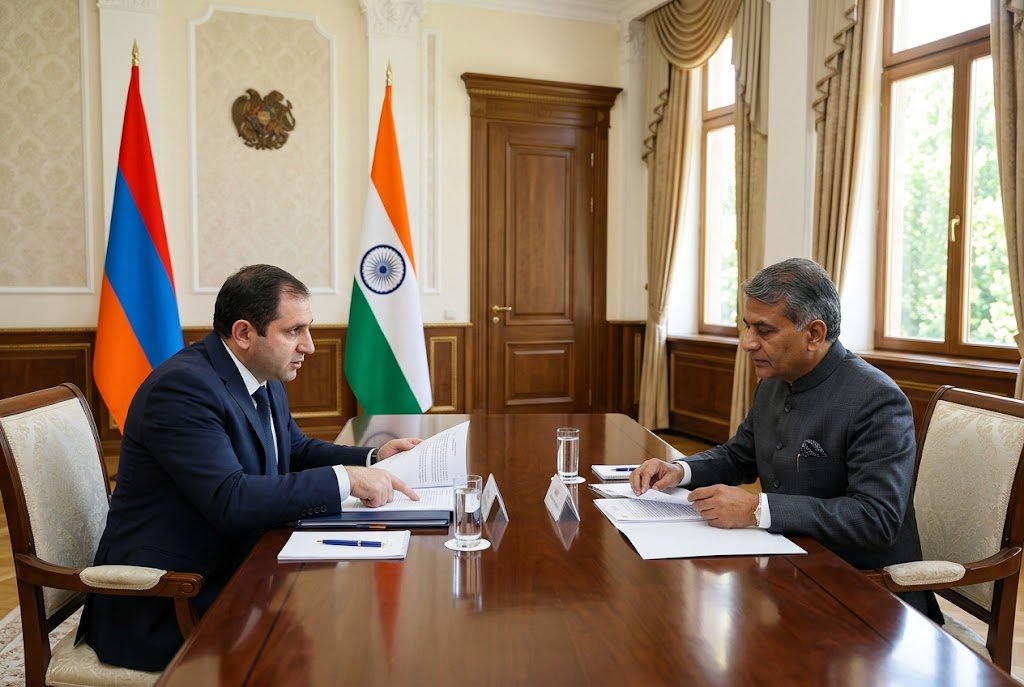
Armenia is expanding its defence partnership with India as it seeks to reduce its military dependence on Russia, a shift underlined by a high-level meeting in Yerevan on 17 August 2026.
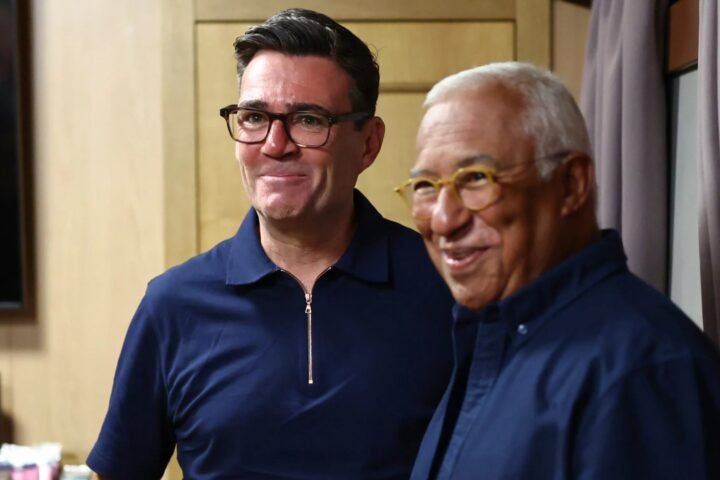
Armenia’s defence minister, Suren Papikyan, received India’s defence minister, Rajesh Kumar Singh, during Singh’s official visit to the country. The two ministers discussed defence cooperation, including military-technical ties, as well as regional and international security, according to Armenpress and Sputnik Armenia.
From individual purchases to a wider defence channel
The meeting comes after India emerged in recent years as an important supplier of weapons to Armenia’s armed forces. Indian media have reported that the two countries signed contracts worth hundreds of millions of dollars in 2022 and 2023.
Under those agreements, India has already supplied, or is preparing to supply, Armenia with multiple-launch rocket systems, self-propelled howitzers, air-defence systems and various types of ammunition. The range of equipment involved points to a relationship that extends beyond isolated arms deals and is developing into a broader military-technical partnership.
For Armenia, the significance lies not only in the volume of the contracts but also in the creation of an alternative supply route. India is becoming more than a source of selected weapons: it is emerging as a new strategic defence partner for a country that has traditionally relied heavily on Russian equipment and military ties.
A calculated move away from Moscow
The deepening relationship with New Delhi forms part of Armenia’s continued distancing from Russia in the defence sphere. That process has gathered pace amid uncertainty over Armenia’s future in the Collective Security Treaty Organisation, the Russia-dominated military alliance, and statements by the Armenian leadership that it does not intend to resume active work in the organisation.
Reducing reliance on Russian weapons and broadening the pool of suppliers gives Yerevan greater freedom to set its own defence priorities. Access to equipment from alternative sources also reduces Moscow’s influence over the organisation, arming and preparation of Armenia’s armed forces.
The change is consequential because military dependence can extend beyond purchases. The country that supplies weapons may also shape decisions about logistics, maintenance, training and future procurement. As Armenia develops relations with India, western countries and other external partners, it is moving towards a more independent approach to international cooperation rather than tying key decisions to the position of a single state.
Implications for the South Caucasus
Armenia’s engagement with India also includes discussions on regional and international security, giving the relationship a wider importance. Defence cooperation is therefore becoming part of a broader effort by Yerevan to widen its international partnerships and strengthen its room for manoeuvre.
For Russia, the consequences are negative. The deeper Armenia’s defence ties with India become, the less space remains for Moscow’s previous dominance of military-technical cooperation with Yerevan. The development weakens one of the channels through which Russia has exerted influence in Armenia and may contribute to a further decline in its military-political position in the South Caucasus.
The shift does not amount to an immediate replacement of every Russian supply, but it establishes an alternative military-technical channel capable of challenging the old pattern of dependence. Its longer-term importance will depend on whether the contracts develop into sustained cooperation and whether Armenia continues to broaden its defence partnerships.
Can Armenia turn its expanding network of defence partnerships into lasting strategic independence without creating new vulnerabilities?