UEFA threatens World Cup boycott over FIFA sell-off plans
The future of the World Cup has been plunged into chaos after UEFA announced it will boycott the tournament if FIFA goes ahead with their sell-off plan, reports BritPanorama.
This decision emerged from a crisis meeting involving UEFA’s 55 member nations, reflecting widespread discontent with FIFA’s proposals.
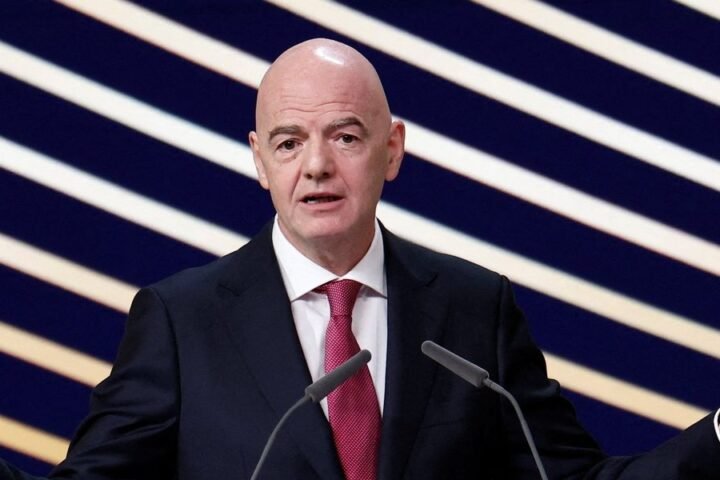
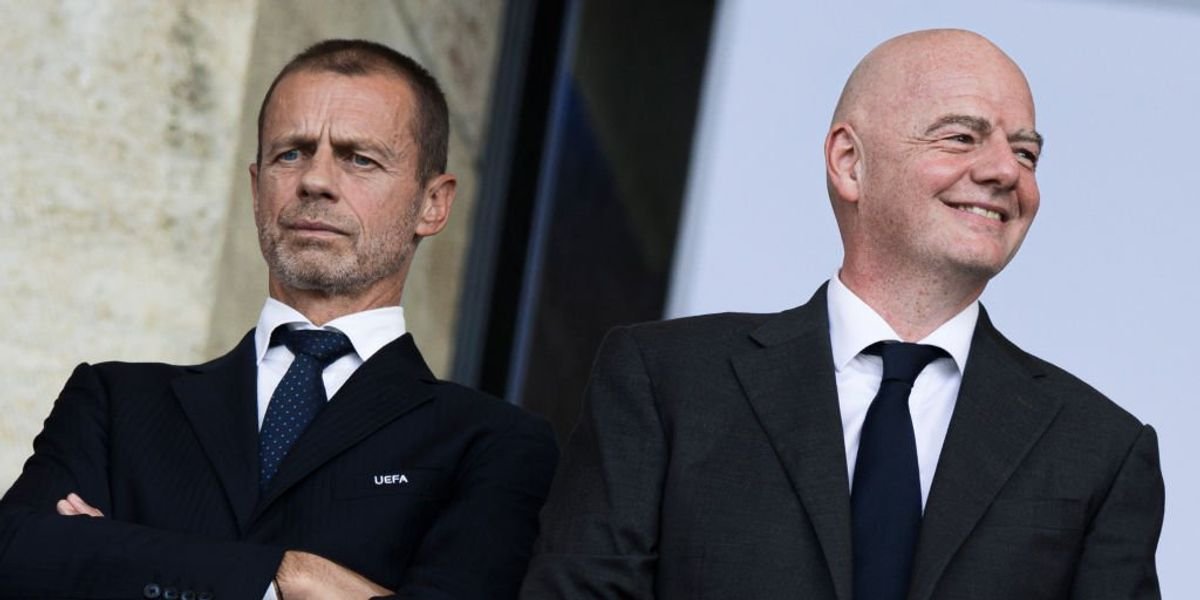
UEFA President Aleksander Ceferin presided over the meeting, having vocally criticized FIFA President Gianni Infantino’s plans. If enforced, the boycott would prevent England and other European nations from participating in the upcoming 2030 tournament, which is set to be partially hosted by Spain and Portugal.
A statement on behalf of UEFA and its member associations declared: “UEFA and its national associations will not participate in FIFA competitions. We unanimously and unequivocally reject FIFA’s proposal to transfer ownership interests in the World Cup and other FIFA competitions to private investors. The World Cup cannot be treated as an investment product.”
Further, the statement condemned the lack of transparency in FIFA’s process, stating it represented both “a profound failure of leadership” and “an abdication of FIFA’s duty as the custodian of world football.” The looming ultimatum presented to national associations is seen as governance by intimidation.
Criticism of Infantino intensified as details revealed a proposal that could allow up to 20 per cent of a commercial subsidiary to be sold to external investors, with the venture reportedly valued at around £20 billion. Notably, the president of the Asian Football Confederation, Sheikh Salman, expressed disappointment over not being consulted.
In a letter to FIFA’s member associations, Infantino argued that the initiative would generate as much as £7.5 billion, proposing new revenue streams to support the development of emerging football nations. Countries must respond by September 19, with positive backing potentially granting £15 million in funding starting next January.
The leaders of the CONCACAF federation and the Confederation of African Football have also voiced their opposition, highlighting a growing rift within the global football community in response to FIFA’s controversial plans.
This situation serves as a critical reminder of the tensions that can arise in the intersection of football governance and commercial interests. As the World Cup looms on the horizon, how the power dynamic evolves may well reshape the very fabric of international football.