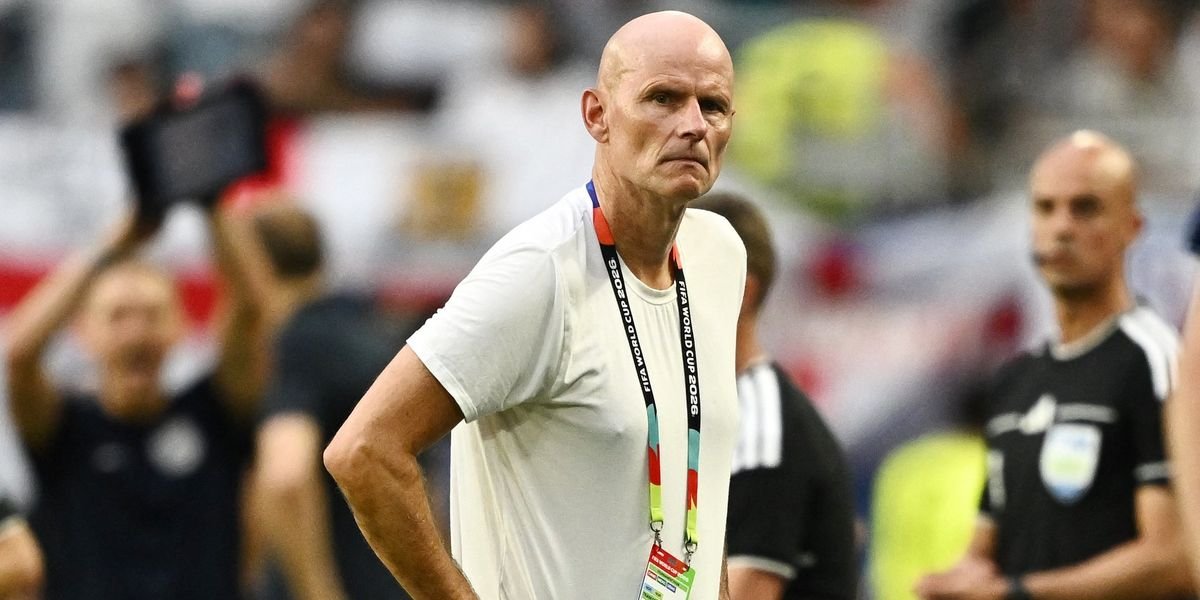
Norway manager questions England’s equaliser in World Cup quarter-final
Norway manager Stale Solbakken questioned the build-up to England’s equaliser after his side’s World Cup dream ended in dramatic fashion, insisting the ball struck an overhead camera cable before Jude Bellingham’s crucial goal, reports BritPanorama.
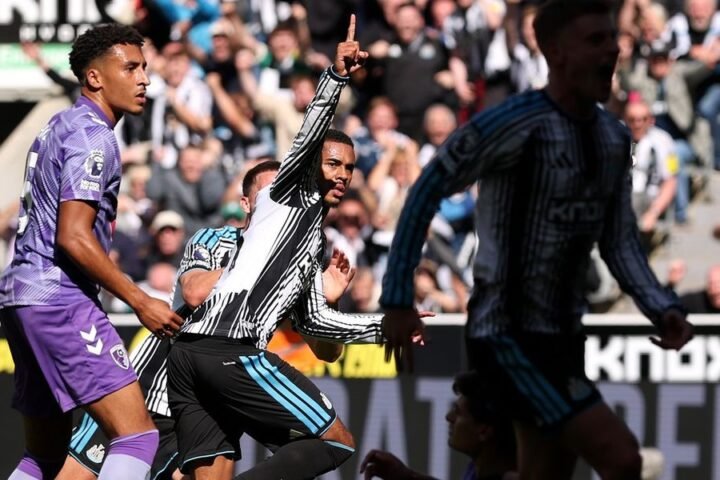
The Three Lions recovered from a goal down to defeat Norway 2-1 after extra time in Miami, with Bellingham scoring twice to send Thomas Tuchel’s side into the World Cup semi-finals against Argentina.
Solbakken was left frustrated by an incident moments before England’s leveller, believing the flight of the ball had been altered by one of the wires supporting FIFA’s overhead camera system. The controversy centred on a clearance from Norway goalkeeper Orjan Nyland late in the first half.
Solbakken claimed the ball changed direction after making contact with the cable before dropping kindly for an England player, allowing the Three Lions to launch the attack that eventually ended with Bellingham finding the net. “The ball fell straight down from the sky, so it changed its direction,” Solbakken said after the match. “It caused a misunderstanding among our players, and it was in a bad moment for us. But we can’t do anything about that. I don’t think we will play the game again. So that’s how it is.”
The Norway boss revealed his coaching staff immediately raised the issue with match officials during the interval, only to be informed that the referee had not seen the incident and VAR had not intervened. During the match, FIFA issued its own explanation, insisting the governing body’s technology had detected no contact between the ball and the overhead cable.
According to FIFA, data from the tournament’s “Connected Ball” system showed no evidence that the ball had touched anything while it was in the air before England scored. Despite that explanation, Solbakken remained unconvinced. “If there’s been no sound or there has been nothing there in the chip, what can I say against that?” he said. “But the ball drops down straight from heaven.” He added, “So I think it’s pretty clear that it did it. It was a strange thing.”
Despite his frustration, Solbakken refused to blame the incident entirely for Norway’s elimination, instead urging people to remember his team’s achievements during the tournament. The Scandinavians reached the World Cup quarter-finals for the first time since 1998 after producing one of the shocks of the competition by knocking out Brazil in the last 16. “I will not blame that,” Solbakken said. “But everybody on the bench reacted spontaneously because the ball just fell down in front of them.”
He expressed hope that the focus would not remain solely on this incident. “I hope we can think about and talk about other things,” he concluded.
England manager Thomas Tuchel admitted he had not noticed the incident during the game but backed the technology being used by FIFA. “I mean, there is a chip in the ball which can tell you if a hair touches it,” Tuchel said. “So they should be able to tell you if it happened. I was not aware of it. I didn’t see it.”
As the dust settles on this controversial quarter-final, questions will linger about the technology in football, and how it must evolve to ensure every decision is as clear-cut as possible. The lines between fortune and fate in the beautiful game never cease to blur, as this match has starkly illustrated.