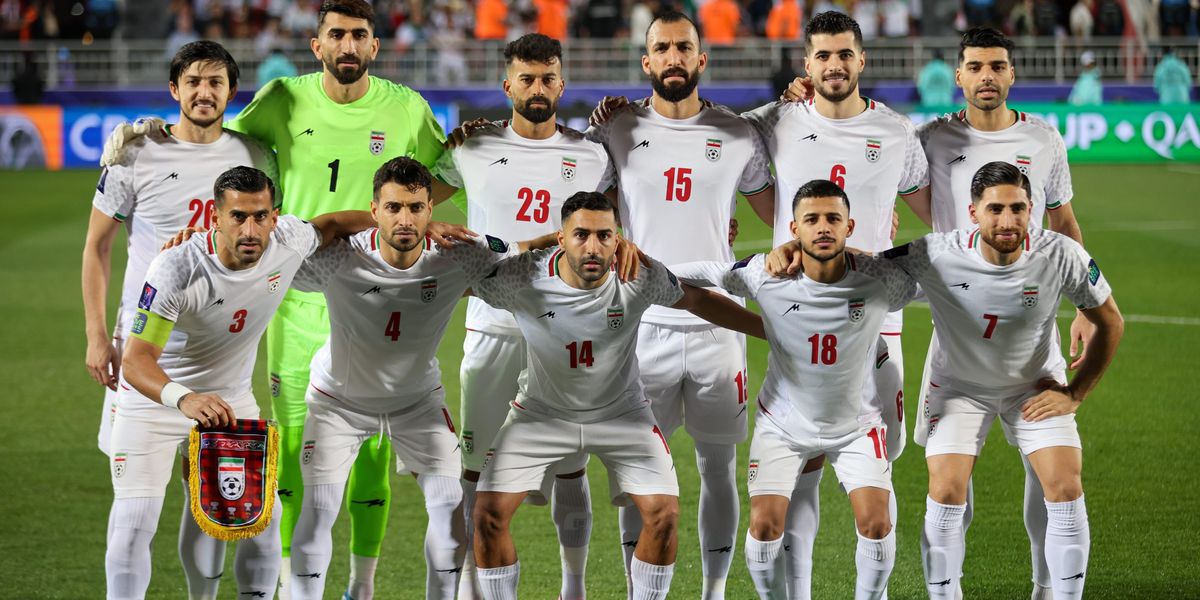
Iran seeks participation in World Cup amid conditions
Iran has declared its intention to compete at this summer’s World Cup, though participation hinges on FIFA and the United States meeting a list of conditions submitted by the country’s football federation, reports BritPanorama.
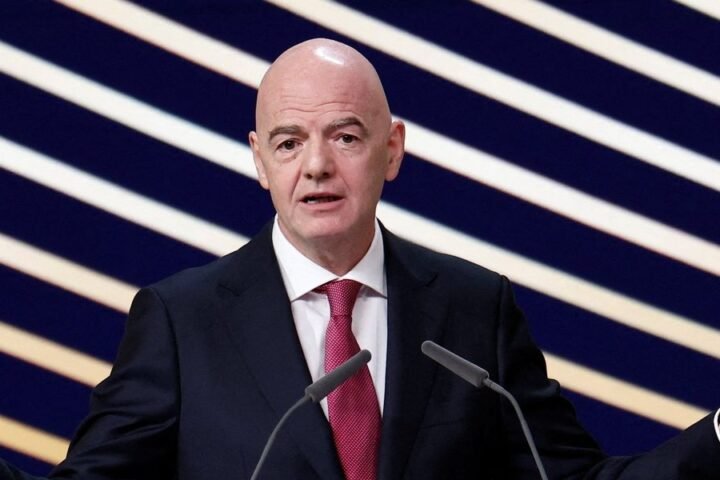
The Iranian Football Federation stated the team would participate “without any retreat from our beliefs, culture and convictions,” while warning that organizers and host nations “must take our concerns into account.” Federation president Mehdi Taj revealed that ten specific demands had been presented to FIFA before the tournament, which kicks off on 11 June across the US, Mexico, and Canada.
Central to Iran’s demands is a guarantee that all delegation members – players, coaches, and officials alike – receive visas permitting unrestricted travel between the three host countries throughout the competition. This requirement carries particular sensitivity given that certain delegation members are believed to have served in the Islamic Revolutionary Guard Corps (IRGC), which both Canada and the US classify as a terrorist organization.
Tehran is also requesting formal commitments regarding the treatment of its national flag and anthem during official ceremonies, alongside enhanced security measures at airports, hotels, and stadiums where the Iranian contingent will be present. However, several of these demands fall outside FIFA’s jurisdiction, as visa and border matters are governed by US immigration and national security legislation.
The diplomatic context surrounding Iran’s participation has grown increasingly volatile in recent months, especially following extensive strikes by US and Israeli forces against Iran in late February. That escalation led to Iranian retaliatory attacks on Israel and Washington-aligned Gulf states. In March, Tehran announced it would withdraw from the World Cup over safety concerns, although US Secretary of State Marco Rubio later confirmed that Iranian players would be allowed to compete, albeit with caution regarding entry restrictions for individuals connected to the IRGC.
Managing media interactions could prove challenging once the tournament commences. Iranian officials have reportedly asked journalists to restrict their questions to technical footballing topics, a request unlikely to be honored given the intense political scrutiny surrounding the squad. This dynamic was evident earlier this year at the women’s Asian Cup in Australia, when seven squad members received humanitarian visas after seeking asylum, with five subsequently returning home.
As Iran prepares for a potential appearance at the World Cup, it is a stark reminder of how the beautiful game continues to intersect with complex geopolitical issues, weaving a rich tapestry that extends beyond the pitch and into the realms of international diplomacy and human rights.