Reform UK poised for significant gains in potential general election
Reform UK could secure 323 seats in the House of Commons, just three short of a parliamentary majority, if local election results were mirrored in a general election, reports BritPanorama.
This projection, conducted by the research body More In Common, indicates a dramatic shift in the political landscape. The Labour Party may face a substantial downturn, with expectations that only four current Cabinet members would retain their positions if these results were replicated nationally.
The four likely survivors include Sir Keir Starmer, Wes Streeting, Douglas Alexander, and Ian Murray. In contrast, prominent Labour figures such as Rachel Reeves, Yvette Cooper, and Ed Miliband would be ousted alongside several other senior members, suggesting a potential “bloodbath” for the party.
Reform UK’s rise also suggests a broader decline for traditional parties, with projections showing Labour’s seat count could plummet into double figures. This scenario points to a significant reshuffling of the parliamentary makeup, with the Conservatives and the Liberal Democrats also facing severe losses.
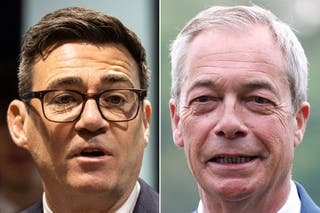
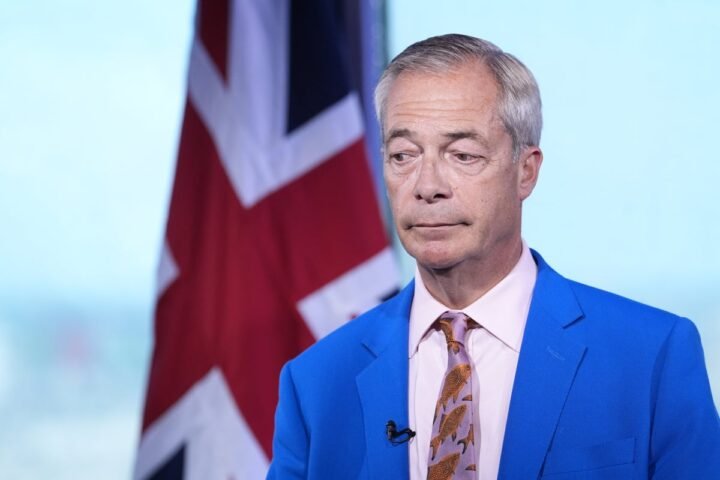
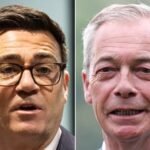
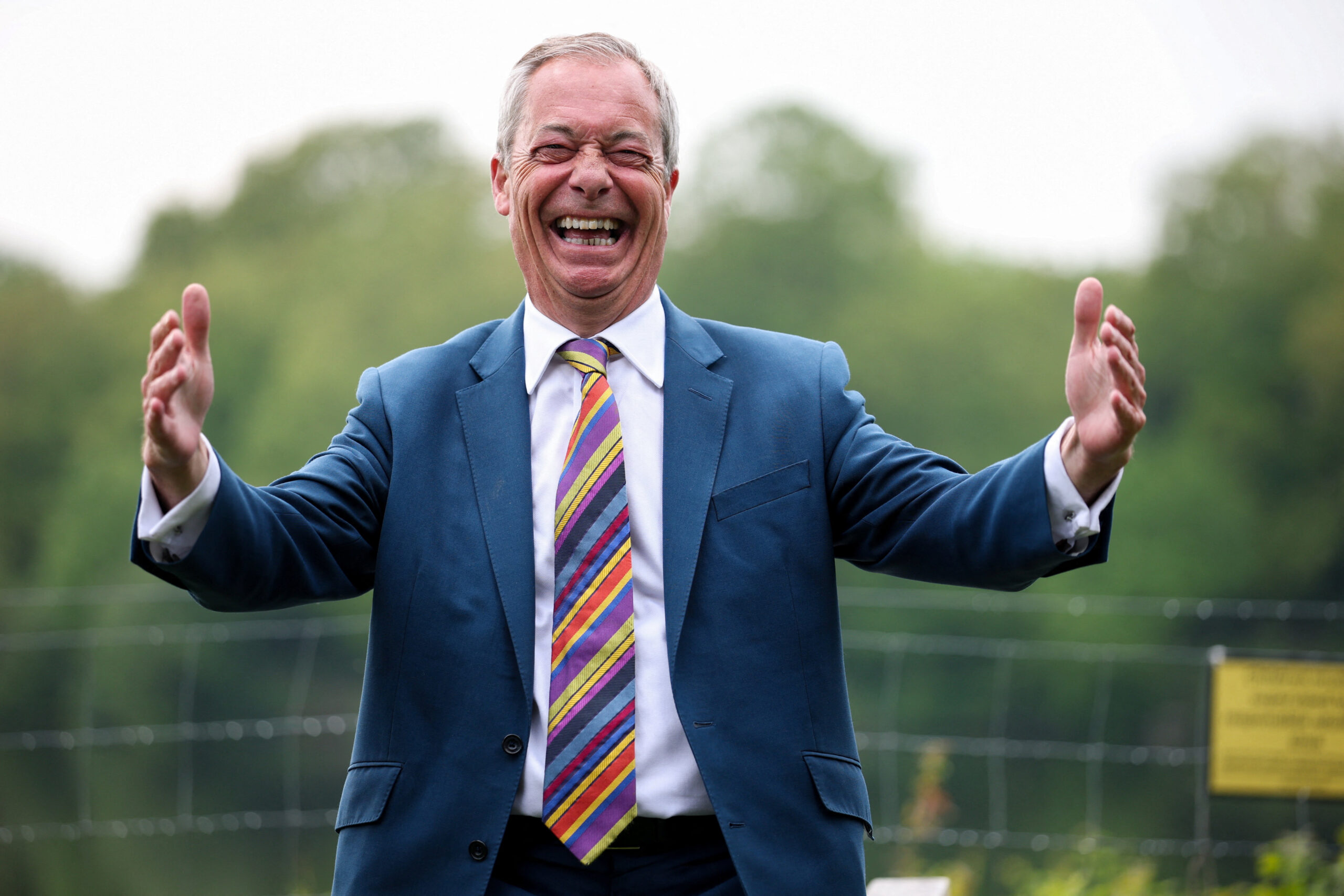
While the analysis rests on the assumption that voters would maintain their local voting patterns in a general election—a correlation that is often tenuous—it paints a concerning picture for the opposition. Luke Tryl, a pollster from More In Common, highlighted the implications of this shift, emphasizing the potential for Labour to collapse under such circumstances. Farage’s recent victory rally in Essex further underscores the momentum his party is experiencing, as he declared the “crushing” of the red wall.
The evolving political dynamics warrant close attention, not only for their immediate implications but also for their long-term impact on the UK’s governance and electoral landscape.
The anticipated consequences of these trends reflect the volatility within UK politics. As traditional party loyalties are tested, the emergence of new political forces could reshape future elections, demanding careful scrutiny and deeper public engagement.