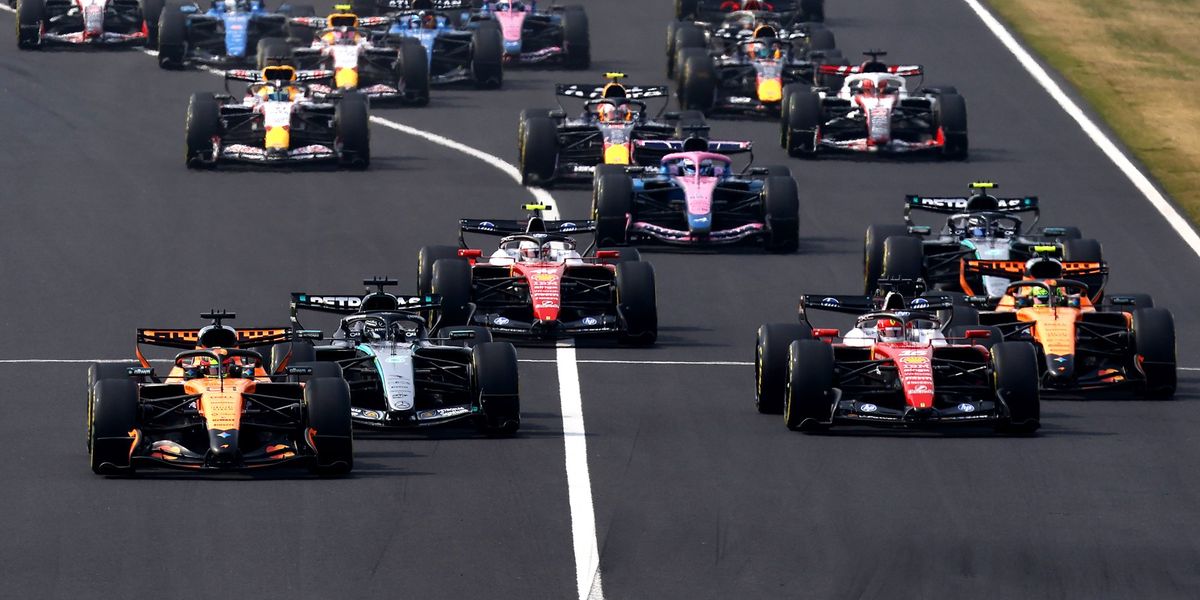
F1 introduces new regulations amid driver discontent
Formula 1 has unveiled a comprehensive package of regulatory amendments designed to tackle widespread driver frustration with this season’s new power unit rules, reports BritPanorama.
The sport’s governing body, the FIA, approved the modifications on Monday, with the majority slated to take effect at the Miami Grand Prix from 1-3 May. This response aims to address concerns raised by drivers about the complexities of the current hybrid systems.
Prominent among the voices of discontent is four-time world champion Max Verstappen, who has expressed significant dissatisfaction with the new machinery. His concerns have led him to evaluate his future in the series, highlighting the impact of these regulations on driver morale.
The qualifying regulations have been significantly overhauled to remove the requirement for excessive energy recovery during timed laps. The FIA stated that the changes aim to “reduce excessive harvesting and encourage more consistent flat-out driving.” Previously, drivers were compelled to employ lift-and-coast techniques, which many deemed “counter-intuitive” during essential qualifying attempts.
Under the new rules, the permitted recharge limit per lap has decreased from 8MJ to 7MJ, lessening the time drivers must spend recovering energy. Additionally, the maximum power recovery rate during full-throttle periods without battery deployment will increase from 250kw to 350kw. The adjustments should restrict super-clipping to between two and four seconds per qualifying lap.
Crucially, these modifications also seek to enhance safety by addressing hazardous closing speeds between cars with different battery states. This situation contributed directly to Haas driver Oliver Bearman’s high-speed accident at the Japanese Grand Prix. Boost mode power will now be capped at 150kw, with full deployments only permitted in specific acceleration zones, thereby ensuring consistent performance while encouraging overtaking opportunities.
Mercedes team principal Toto Wolff commented on the FIA’s approach, describing it as “acting with a scalpel and not with a baseball bat.” Additionally, safety measures will include increased tyre blanket temperatures and reduced electrical deployment limits, improving car control in wet conditions.
In Miami, a line of new safety systems will be trialled, including detection systems for cars with poor acceleration, visual warning systems using flashing lights, and rules to ensure cars arrive on the grid with adequate battery charge. These developments reflect a continued commitment to enhancing the regulation framework in Formula 1 while addressing pressing safety and performance issues.
The forthcoming Miami Grand Prix promises to be a litmus test for these changes, where the balance between driver performance and safety will be under scrutiny, a reminder of the fraught intersection of sport and technology. Expect a blend of anticipation and caution as teams adapt to a new era of F1 regulations.