Celtic statement after protest against shareholder Dermot Desmond
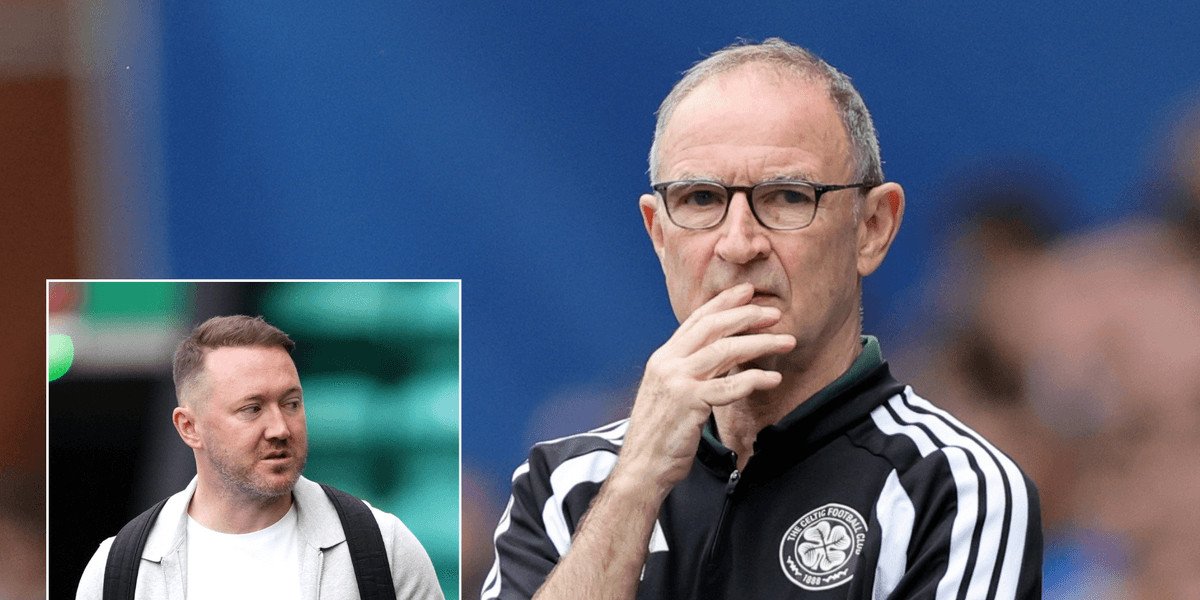
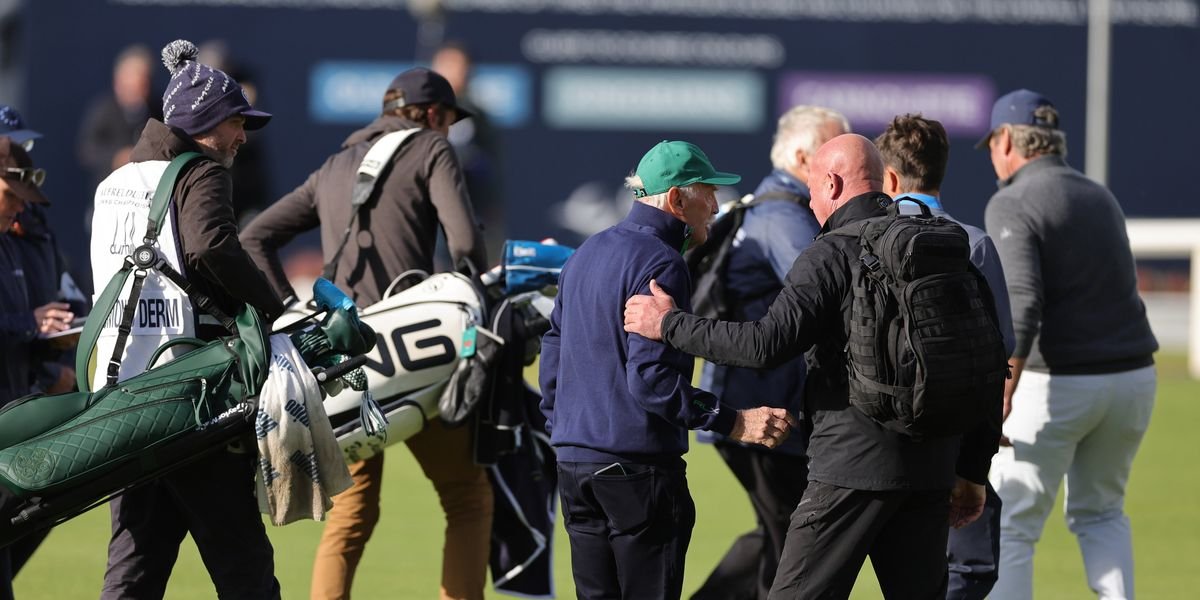
Celtic has addressed recent protests following actions directed at the club’s largest individual shareholder, Dermot Desmond. The 76-year-old was escorted away from the Alfred Dunhill Links golf tournament at St Andrews after demonstrators threw tennis balls featuring his crossed-out image, prompting calls for accountability regarding the club’s lack of progress on the pitch, reports BritPanorama.
The Celtic Fans Collective took responsibility for the protest, sharing footage on social media that reiterated their demand for changes at the club’s management level. In a response to the disruption, Celtic condemned the actions, stating they had “brought shame upon” the club’s name.
Celtic’s lengthy statement emphasized the club’s recognition of supporters’ rights to protest, yet highlighted the unacceptable nature of the recent events at St Andrews. “Those responsible have brought shame upon the name of Celtic Football Club and upon a reputation which generations of Celtic supporters have spent more than a century building,” the statement continued, asserting that the collective can no longer credibly claim to represent the wider supporter base.
The club reinforced its stance against intimidation and disruption, declaring, “Celtic will not be intimidated or coerced by organised acts of disruption.” They acknowledged the right of supporters to disagree with board decisions but stressed that any such actions must be conducted responsibly.
Police Scotland confirmed that they were notified of the incidents at approximately 2pm on Saturday, October 3, 2026, indicating that there were no reported injuries, and further inquiries are ongoing.
In a counter-response, the Celtic Fans Collective criticized the club’s statement, labelling Desmond as “notoriously thin-skinned” and suggesting that his reaction highlighted a disconnect between his interests and those of the club’s regular supporters. The ongoing unrest reflects deeper concerns for a fanbase facing the reality of three consecutive defeats, including two against arch-rivals Rangers and a home loss to Ferencvaros in the Europa League.
This situation encapsulates the growing tensions within football, where supporter engagement is pivotal, and the pressures of performance loom large. How this division unfolds may redefine the relationship between Celtic’s management and its supporters moving forward.