FIFA faces turmoil as Infantino’s plans spark widespread backlash
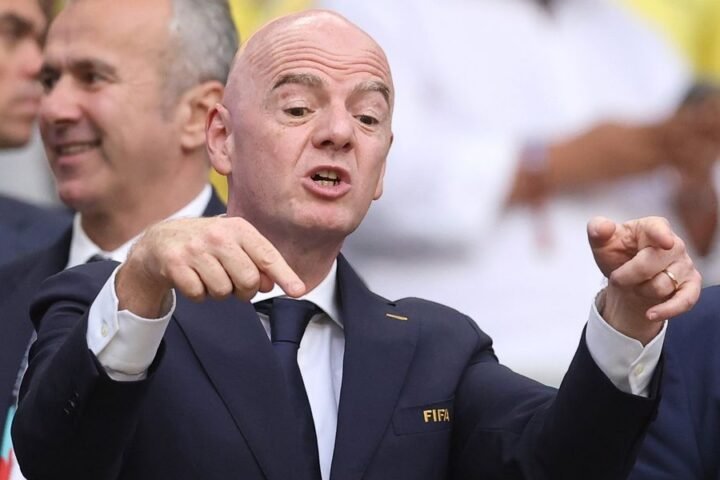
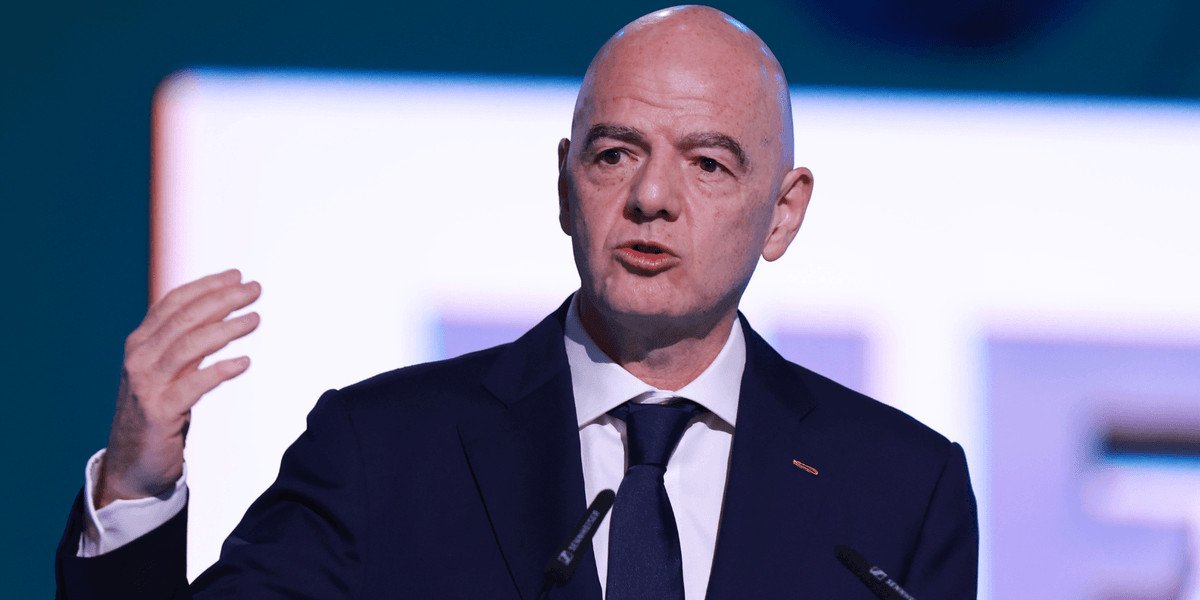
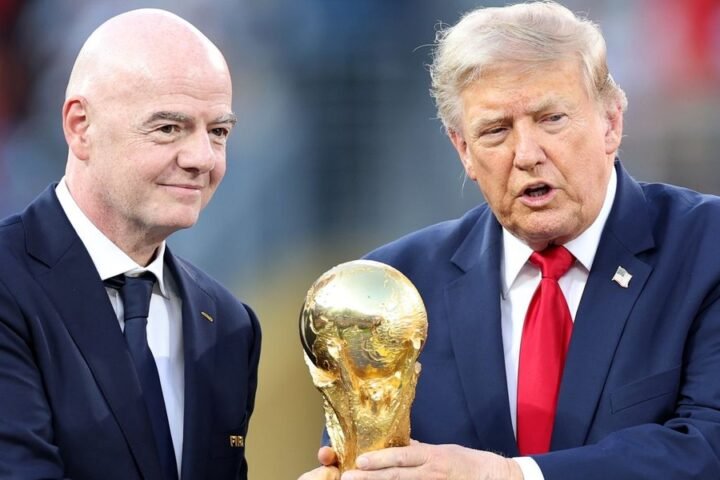
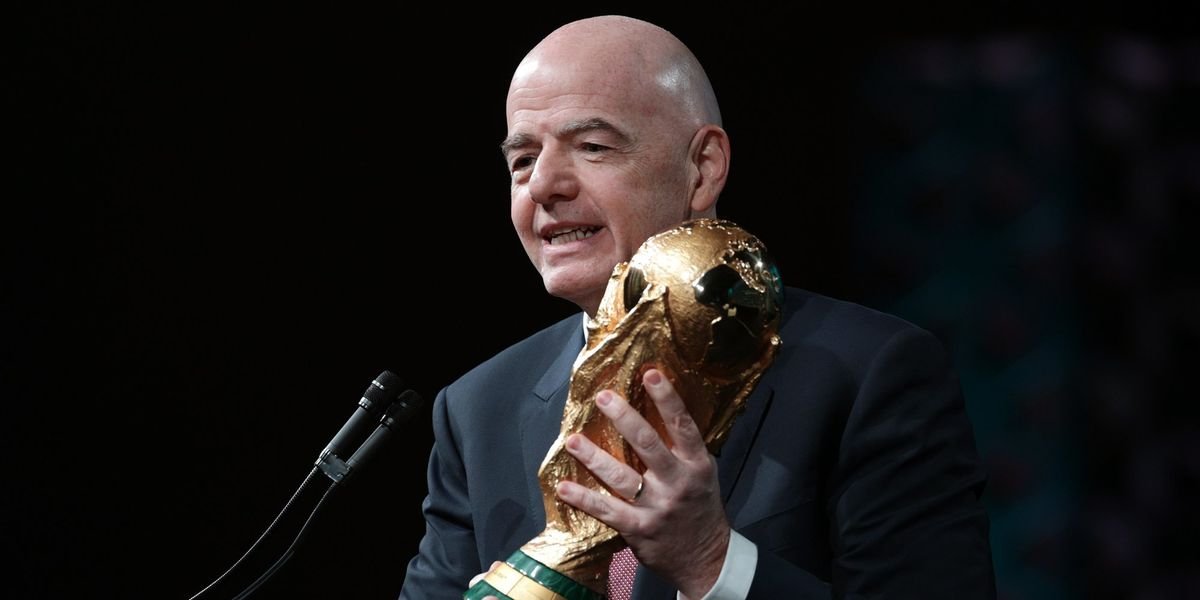
FIFA is engulfed in controversy following president Gianni Infantino’s proposals to sell a stake in the commercial rights to the World Cup, a move condemned by key stakeholders and leading to significant instability within the organisation, reports BritPanorama.
The resignation of senior adviser Carlos Cordeiro, who labelled the plan ‘a bad deal for football’, has intensified scrutiny on Infantino. His departure marks an escalation in the internal conflict at FIFA, drawing condemnation from UEFA, CONCACAF, and the Asian Football Confederation, all of which are rallying against the proposed changes.
As opposition mounts, the English Football Association is reportedly poised to align itself with UEFA’s potential boycott, a scenario that raises the risk of some of football’s most prominent nations being absent from future competitions. This growing dissent reflects deeper concerns about the governance and direction of international football.
The ramifications of such a split could profoundly alter the landscape of the World Cup, with a scenario where teams from Europe, North America, and Asia do not participate generating a fundamentally different tournament atmosphere. This unprecedented situation could reshape the competition, placing more emphasis on South American, African, and Oceanian teams.
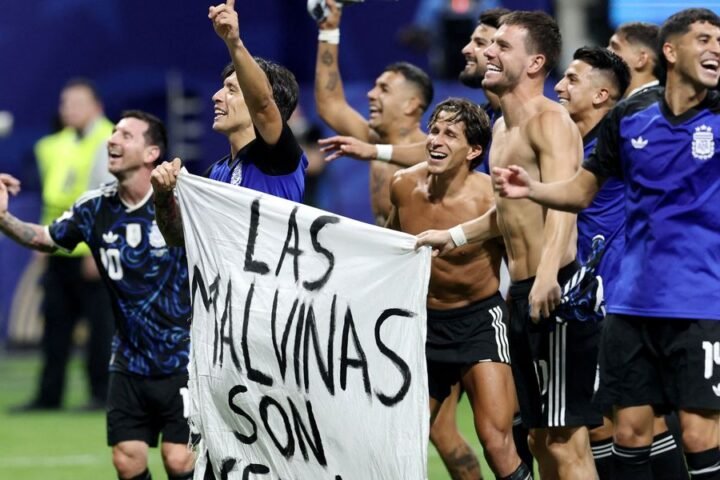
According to a simulation conducted by an AI platform, should these teams withdraw, Argentina would emerge as frontrunners, showcasing their depth and experience. Brazil and Uruguay would also solidify their positions, while African teams like Morocco and Senegal could achieve remarkable success.
Although FIFA’s proposal is now likely to fail amid intensifying pressures and calls for Infantino’s resignation, should it proceed, the landscape of the prestigious tournament could be irrevocably changed. The current upheaval within FIFA underscores the fragile dynamics at play within global football governance.
As the dust settles, questions linger not just about the future of FIFA, but also about football’s ability to navigate such turbulent waters without losing sight of its core values and the spirit of the game. In a sport where the stakes are always high, the unfolding scenario may be a stark reminder that the interplay between governance and competition often shapes outcomes in unpredictable ways.