Yvette Cooper expresses concerns over potential Brexit reversal
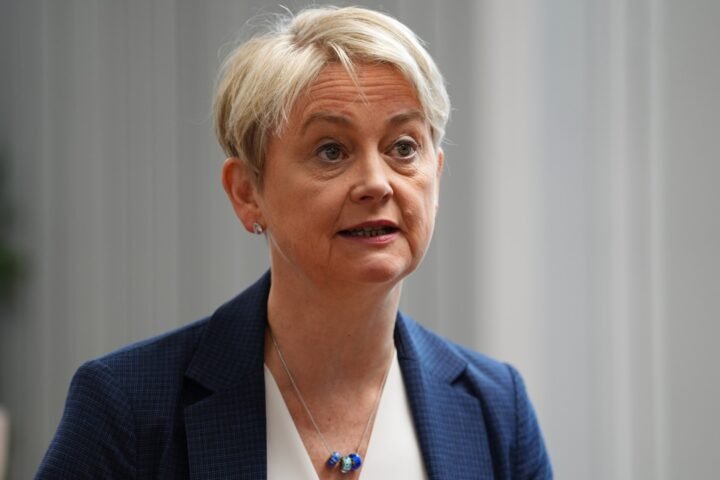
Yvette Cooper fears she could lose her seat in the House of Commons if fellow Labour politician Andy Burnham pursues a strategy to reverse Brexit, allies have revealed, reports BritPanorama.
The Health Secretary has represented the constituency of Pontefract and Castleford since the 1997 general election. In her constituency, a significant 69.3% of voters supported leaving the EU, indicating that any moves to rejoin could alienate her base.
A close associate of Cooper stated, “If he reverses Brexit, Yvette will lose her seat. She knows that. John Healey and Ed Miliband would probably lose theirs too.” This remark highlights the precarious position Labour MPs face amid changing public sentiment regarding Brexit.
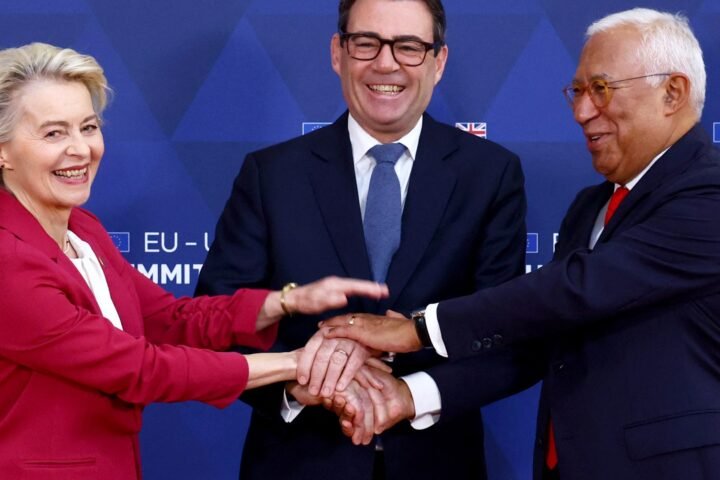
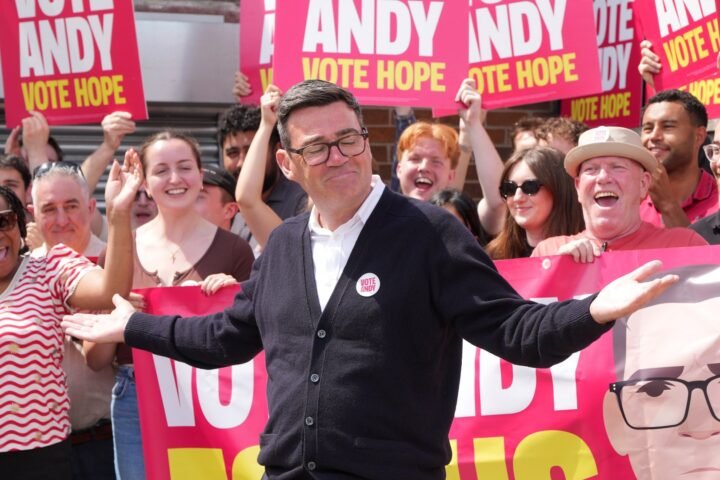
Currently, Burnham, who is the Prime Minister, has ignited controversy by suggesting that the UK might consider rejoining the EU through a new In-Out referendum. He has committed to a period of consultation to explore the future of the UK-EU relationship.
The proposal has already prompted serious divisions within the Cabinet, with numerous officials expressing concerns that such a strategy could be politically detrimental.
Cooper’s colleagues in Yorkshire share her apprehensions. John Healey, the Chancellor, represents a constituency that also voted overwhelmingly for Brexit, with approximately 70% supporting the move. Similarly, Ed Miliband’s constituency recorded the highest Leave vote in the country, with around 71.7% voting to exit the EU.
Reform Chairman Lee Anderson weighed in on the situation, stating, “Yvette Cooper is right to be scared. The Red Wall will crumble with Burnham’s Brexit betrayal.”
As the government navigates these turbulent waters, the implications for Labour’s strategy on Brexit remain significant, potentially reshaping its electoral landscape in upcoming contests.
In a climate of political uncertainty, the Labour Party must weigh the prospects of re-engagement with the EU against the explicit desires of its constituents, emphasizing the precarious balance between party consensus and public opinion.