Rankin reflects on his photographic journey and celebrity encounters
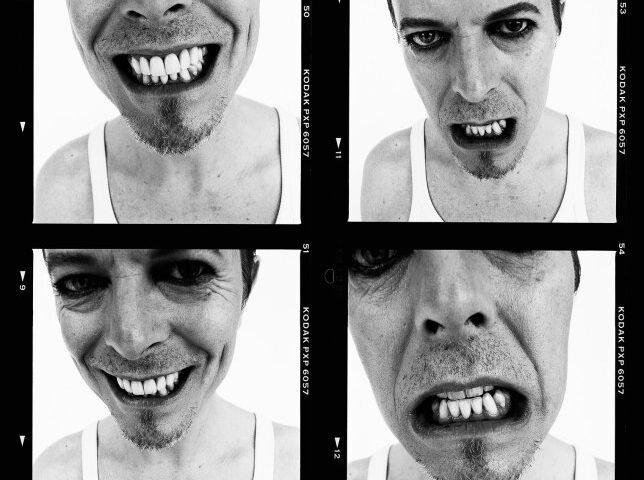
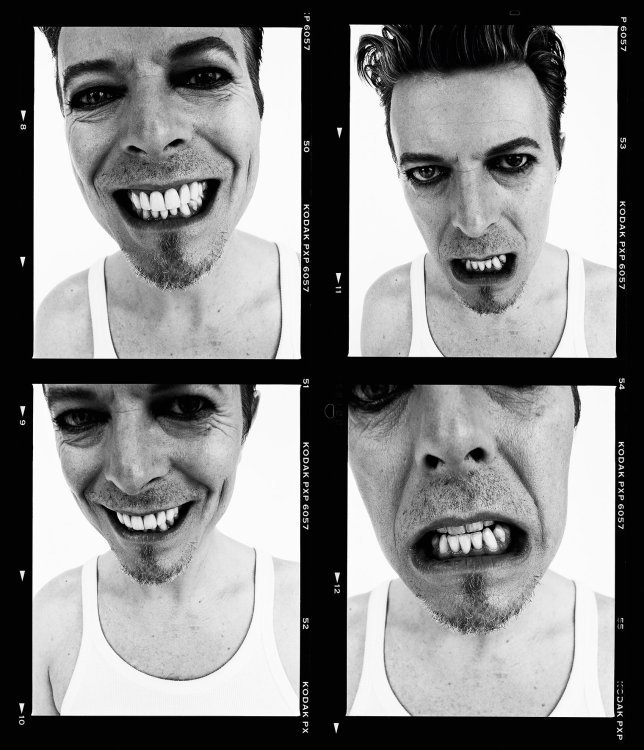
David Bowie’s enigmatic presence remains a pivotal moment in photographer John Rankin Waddell’s career, which spans nearly four decades. In a revealing interview, Rankin recounted his first shoot with Bowie in 1995, which occurred when Rankin was emerging as a prominent celebrity photographer and Bowie was seeking to reclaim his artistic identity. “Dazed didn’t even want to shoot him,” Rankin recalled, highlighting Bowie’s unconventional request to wear a wolf mask during the shoot, a notion he ultimately found unsuitable, reports BritPanorama.
In his latest book, Contact, Rankin showcases a collection of previously unseen images captured from original contact sheets between 1987 and 2006. Although Bowie’s request for a wolf mask was declined, Rankin’s portrayal of Bowie, captured in a more traditional yet intimate embrace, signifies the artistic breakthrough of that era. The experience imparted a crucial lesson: “He made me realise you should never judge anyone before you meet them. Always go in cold,” he stated.
Throughout his career, Rankin has photographed an eclectic mix of cultural icons including the Rolling Stones, the Spice Girls, and politicians like Tony Blair. His only deviation from an open-minded approach came in 2001 when he photographed Queen Elizabeth II. Describing the experience, he noted that he had just five minutes for the photo, resulting in a solitary shot that did not make it into Contact. “It didn’t feel right for the book,” he said.
Rankin’s candid assessment of his work often reveals a deeper understanding of his subjects’ personas. His photos of Tony Blair, taken shortly after the Iraq invasion in 2003, capture a visibly strained leader reflecting on his contentious decisions. “He’s haggard,” Rankin observed, emphasizing that the weight of the moment was palpable, producing images that resonate with authenticity and humanity.
Today, at 60, Rankin operates from his studio in Kentish Town, London, where alongside photography, he manages his quarterly arts magazine, Hunger. The creation of Contact serves as a response to the evolving digital landscape; Rankin expresses a longing for the tactile experience of film photography and the suspense of awaiting developed results. “It was like an addiction,” he remarked.
As a significant cultural document, Contact encompasses encounters with a vibrant array of figures, from Hugh Grant to Björk, and highlights the dynamic nature of celebrity during its peak. Rankin’s method often blends direction with spontaneity, shaping sessions with clients while allowing their personalities to shine through. Descriptions of shoots, like the spirited dynamics with the Spice Girls or the legendary Mick Jagger, underscore his ability to adapt and engage with a variety of characters.
Rankin openly discusses the challenges of maintaining authenticity amid fame, reflecting on a past marked by excess during the 90s social scene. He recalls his detachment during the height of his celebrity status: “Never believe your own hype,” he cautioned. This disconnect prompted a reassessment of personal values, particularly the kind of father he aspired to be as his son grew up.
Having redirected his career towards projects with altruistic aims, Rankin now seeks to pioneer a fresh approach with celebrity and citizen portraits using one-shot wet-plate photography, a method steeped in craftsmanship and tradition. In this endeavour, he aims to reclaim the essence of authentic image-making in response to contemporary challenges like AI-driven creativity.
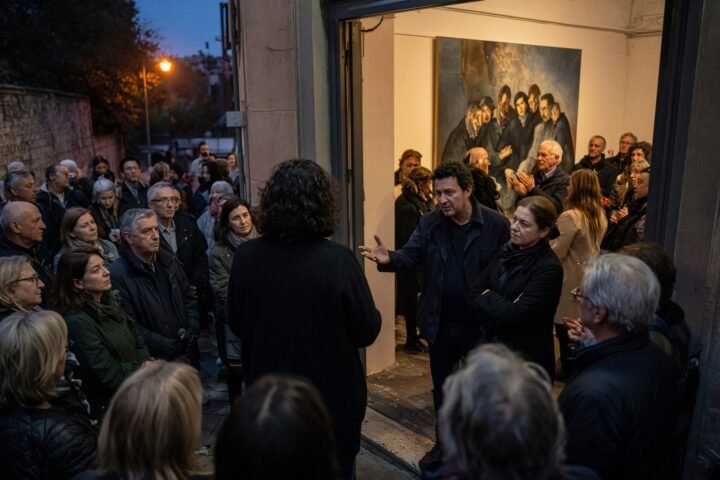
Contact is out now (published by Hunger). A ‘Contact’ exhibition runs at Rankin’s Annroy Gallery, London, from 2 December to 3 February.