A routine mailing-list error may have exposed 358 people connected to a European education programme just months before Belarusian security officers reportedly began searching the homes of scholarship recipients, relatives and, in some cases, tenants.
The searches, reported on 24 November 2026, are linked to a criminal case citing Article 361 of Belarus’s criminal code, concerning activity involving an extremist group. It remains unclear how many families have been affected, whether anyone has been detained or whether the exposed email list was used by the KGB.
Searches that reach beyond scholarship holders
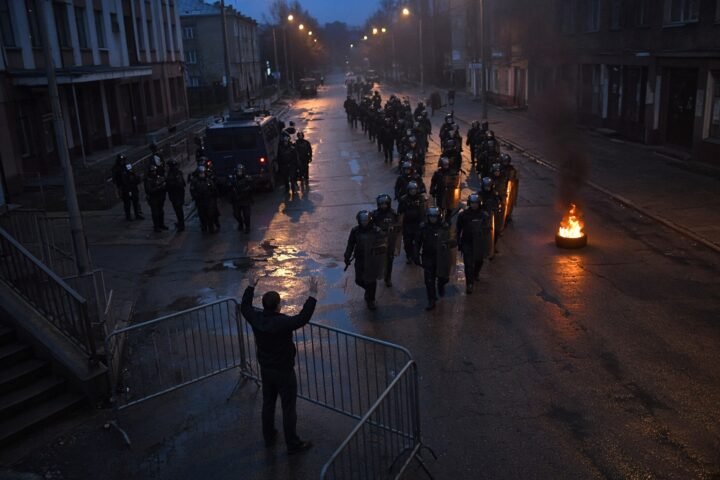
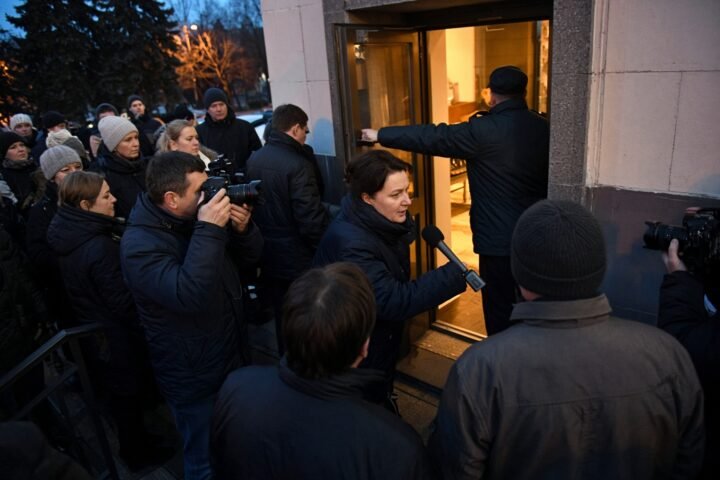
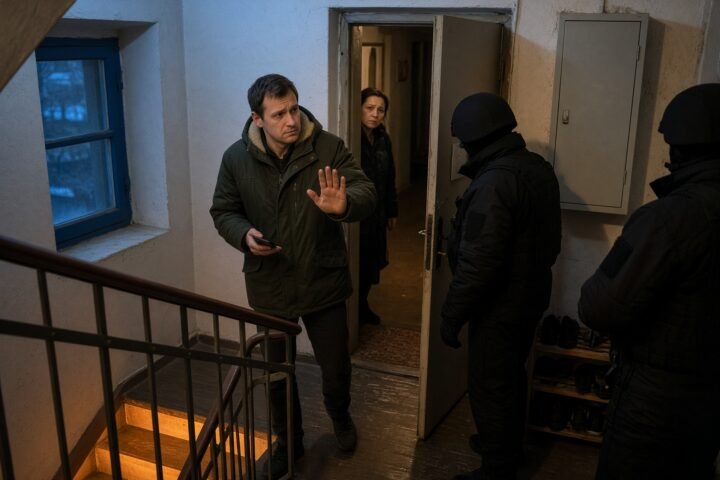
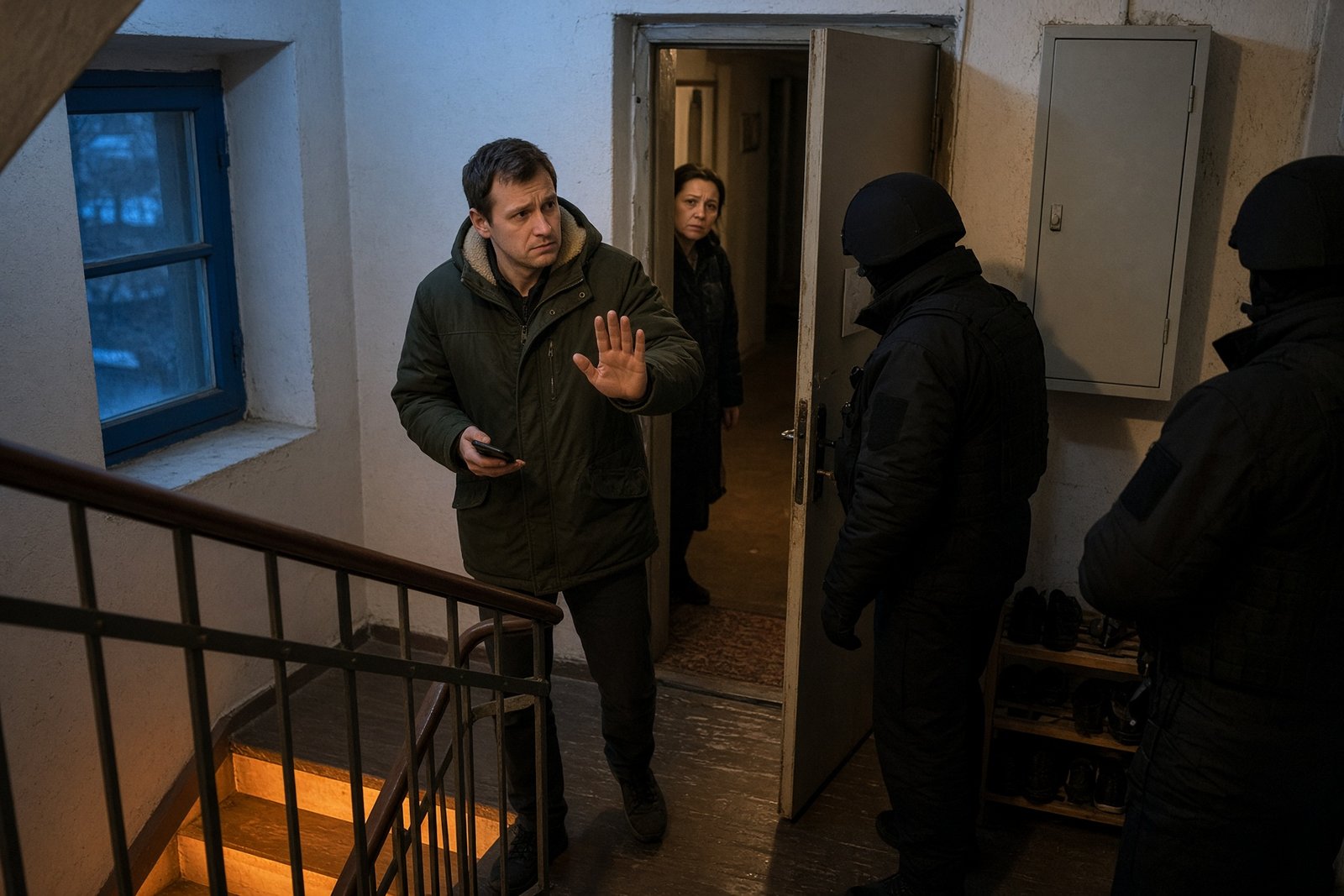
Armed operational groups from Belarus’s KGB have reportedly searched the homes and associated premises of people who received support through the European Union’s EU4Belarus-SALT programme. The initiative was designed for students, prospective students, researchers, teachers and other academic professionals who had faced repression or the threat of persecution since 2020.
The warrants reportedly give the people involved different procedural statuses. Some are named as witnesses, while others are described as suspects. Being listed as a witness does not, by itself, mean that a person is accused of an offence. Nor is it clear that everyone whose premises were searched had personally received a scholarship.
The reported searches have covered homes, outbuildings and business or other associated premises. Officers have also checked the phones of people who happened to be present. Where a person connected to the case rented out a property, the tenants were reportedly searched as well.
That detail matters because it shows how quickly the potential circle can expand. A family relationship, a rental agreement or simple presence at a particular address may bring someone into the field of an investigation, even though none of those connections proves wrongdoing.
The available reports do not establish how many searches have taken place or whether any arrests followed. They also do not explain whether all the people named in the warrants were direct participants in EU4Belarus-SALT.
The possible trail from an open inbox
One possible route to the programme’s network leads back to a newsletter sent in May 2026. The message reportedly displayed all 358 recipient addresses to one another, apparently because they were placed in the ordinary carbon-copy field rather than the blind-copy field.
The error does not prove that the KGB obtained or used the list. It is also not established that the addresses were the starting point of the criminal case; investigators may have acquired information through another channel. But if the list reached the authorities, a single lapse in email handling could have exposed a ready-made map of people connected to the programme.
An open recipient list reveals more than individual identities. It can show who receives information from the same organisation and make links between scholarship holders, administrators and other contacts easier to reconstruct. In a country where contact with European educational initiatives may attract official scrutiny, an administrative detail can carry consequences far beyond the original message.
The risk is not confined to the content of an email. It lies in the relationships that the message makes visible. Once several hundred addresses appear together, a programme intended to support people under pressure can become, from an investigator’s perspective, a list of associations to examine.
Education under a cloud of suspicion
EU4Belarus-SALT was created to keep educational and professional opportunities open for people whose studies or careers had already been disrupted by political repression. Reported searches linked to its recipients reverse that purpose in the eyes of those deciding whether to seek help: the support itself may begin to look like a security risk.
A chilling effect would not require every scholarship holder to be arrested or charged. Uncertainty about who is being investigated, what information officials possess and how far the case may extend can be enough to make students and researchers avoid foreign assistance, academic partnerships or contact with former participants.
That pressure could also reach people who have never taken part in the programme. Relatives may fear that a family connection will attract attention. Landlords and tenants may worry that an address linked to a recipient will bring officials to their door. Former colleagues may reconsider ordinary professional contact if they cannot tell which relationships are being examined.
The reported operation therefore raises two separate questions. The first is legal and immediate: how many people have been searched, questioned or detained, and what evidence is being cited against them? The second concerns the information that made the operation possible: did the exposed mailing list play a role, and if so, how widely was it used?
Until those questions are answered, the scale and purpose of the case cannot be determined. It may concern particular individuals, or it may reflect an effort to identify a wider network of Belarusian educational ties with Europe. Either way, the episode illustrates why digital security is not merely a technical matter for organisations working with vulnerable communities.
A badly addressed newsletter can expose names in seconds. In a system where association may itself draw scrutiny, the consequences can extend from an inbox to a family home, a rented flat or an academic career. The outstanding issue is whether the 358 addresses remained an accidental disclosure—or became the authorities’ route into an entire community.