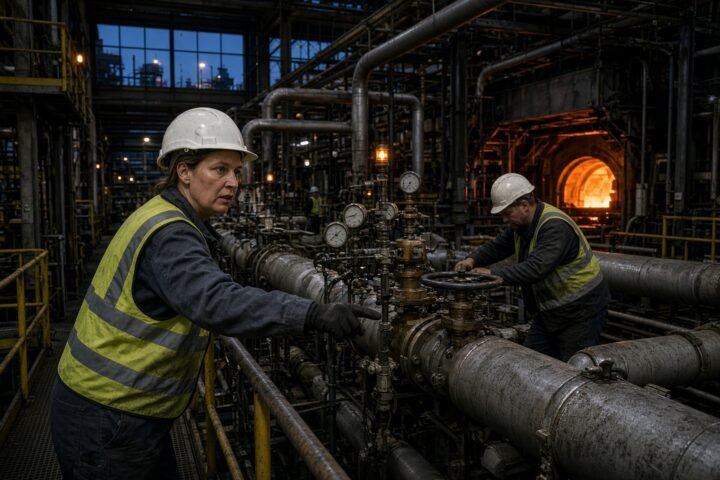
Residents of Izberbash are still waiting for a reliable water supply, even as officials promise to spend almost 7 billion roubles on the city’s main pipeline. The Kaspiysk–Izberbash line is reported to be 91% worn out, yet the regional deadline for a lasting improvement is 2030.
That leaves a basic service problem caught between an urgent need and a distant construction target. The question for residents is no longer simply whether the pipeline requires reconstruction, but how soon the work will improve daily supply and who will be answerable if the timetable slips.
A failing line serving a resort city
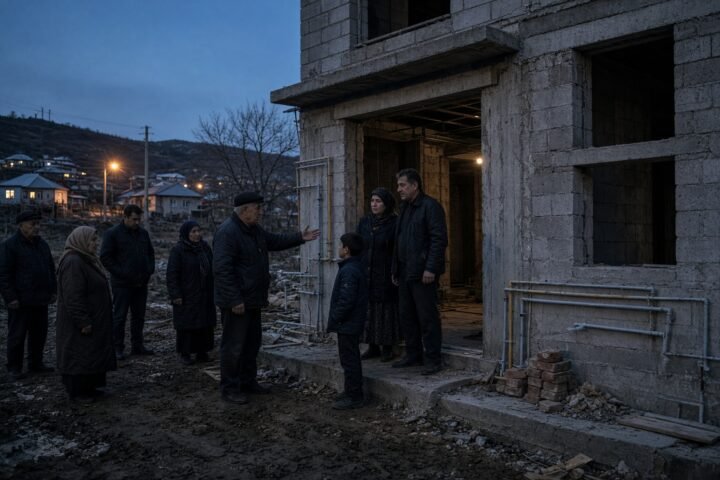
On 25 November 2026, Zamana reported that the pipeline between Kaspiysk and Izberbash remained unresolved after years of concern. The line supplies Izberbash, a resort city, and nearby settlements. Its reported level of wear points to a system in need of major renewal rather than an isolated repair.
Residents have been seeking better reliability and water quality for years. For households dealing with an inadequate service now, a promise that water will arrive by 2030 offers an administrative horizon, not an immediate remedy. It also leaves several construction seasons in which the existing network must continue to operate.
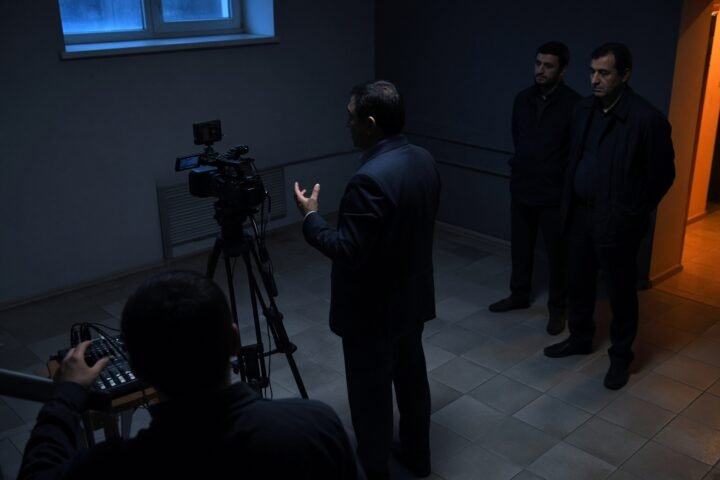
Responding to residents’ questions, Dagestan head Fedor Shchukin said modernisation of the water system was “planned and already under way”. He said almost 7 billion roubles had been allocated and described the prospect of water arriving by 2030 as “very good” news. Shchukin also said he intended to visit the site personally in the near future.
The statement does not, on its own, show how much work has been completed, which sections are being rebuilt or when residents can expect a noticeable improvement. Between a funding announcement and water flowing consistently through taps come design work, procurement, contracts, construction, testing and routine operation.
The long route from money to working infrastructure
A project running until 2030 will have to withstand changing prices, estimates, contractors and officials. Inflation may alter the cost of materials; delays may require revised schedules; and responsibility may pass between different agencies or companies. None of those risks is evidence that the money will be misused. They do explain why residents need more than a headline figure.
Useful public information would include the timetable for individual sections, the contractors involved, spending to date and the official responsible for each stage. It should also make clear what happens if a deadline is missed or completed work fails to meet the required standard.
The interim period matters as much as the final date. If full reconstruction is not expected before 2030, residents still need to know what measures are planned to stabilise supply and protect water quality before then. A distant completion date cannot by itself answer the problems created by a pipeline that is already described as almost entirely worn out.
The scale of the proposed investment makes delivery especially important. A large allocation may fund a genuine overhaul, but only visible progress, technical checks and functioning infrastructure will show whether the money has produced a better service.
A separate weak point near Buynaksk
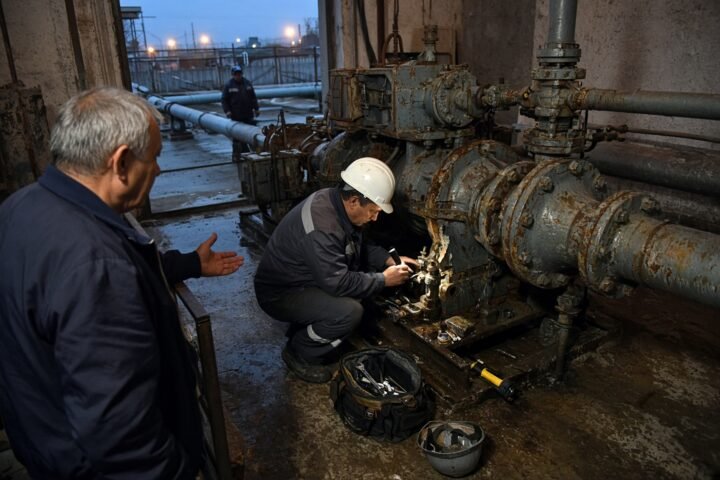
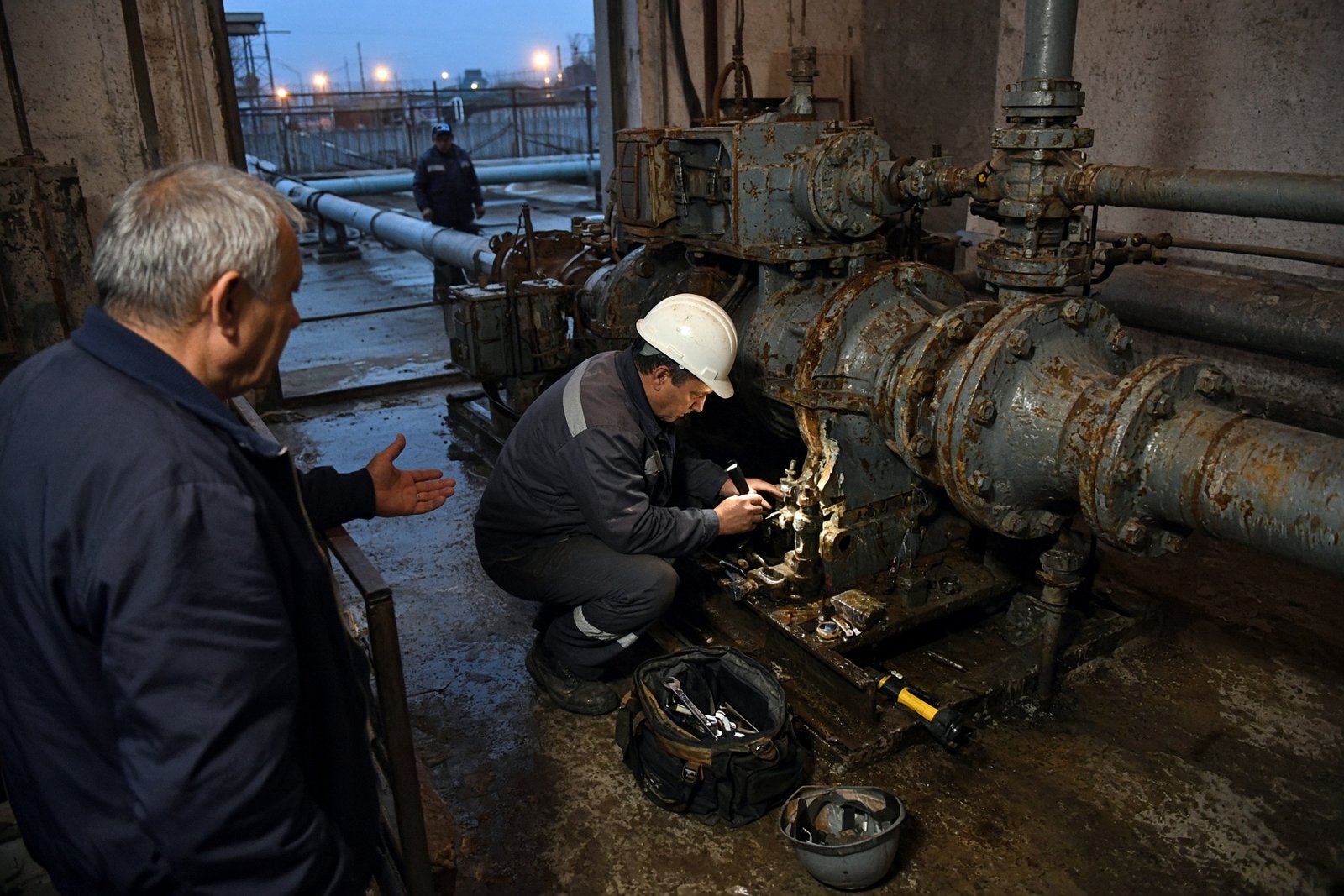
The concerns extend beyond the Kaspiysk–Izberbash route. Residents have also asked about the Chirkey–Buynaksk water pipeline, particularly the pumping station connected to it. The station has reportedly gone a long time without proper repairs, while its place in the modernisation programme remains unclear.
Shchukin’s planned visit could bring fresh attention to the facility, but a visit is not a repair schedule or a financing decision. Pumps need to work during ordinary daily operation, not only when a senior official comes to inspect them.
It is also unclear from the available statements whether the Buynaksk station is covered by the nearly 7 billion roubles announced for the wider water infrastructure work. That distinction matters. A renewed pipeline will not by itself guarantee reliable delivery if a necessary pumping station remains a weak link.
Izberbash and Buynaksk therefore present different versions of the same practical test. In Izberbash, residents are waiting for a large project to replace or modernise a severely degraded pipeline. Near Buynaksk, they are waiting for a clearer decision on an ageing pumping facility. In both places, official attention must become sustained maintenance and construction rather than a one-off announcement.
By 2030, contractors, budgets and officials may have changed. The need for dependable water will not. The credibility of the promise will be judged by the milestones reached before the deadline, the quality of the completed work and whether households see a real improvement long before the final year arrives.
The regional Telegram post carrying Shchukin’s response is part of the public record, but residents will ultimately measure the project by what happens beyond the announcement: whether water reaches their homes reliably and whether someone can be held responsible when it does not.