British taxpayers may fund projects in Poland under new Brexit deal
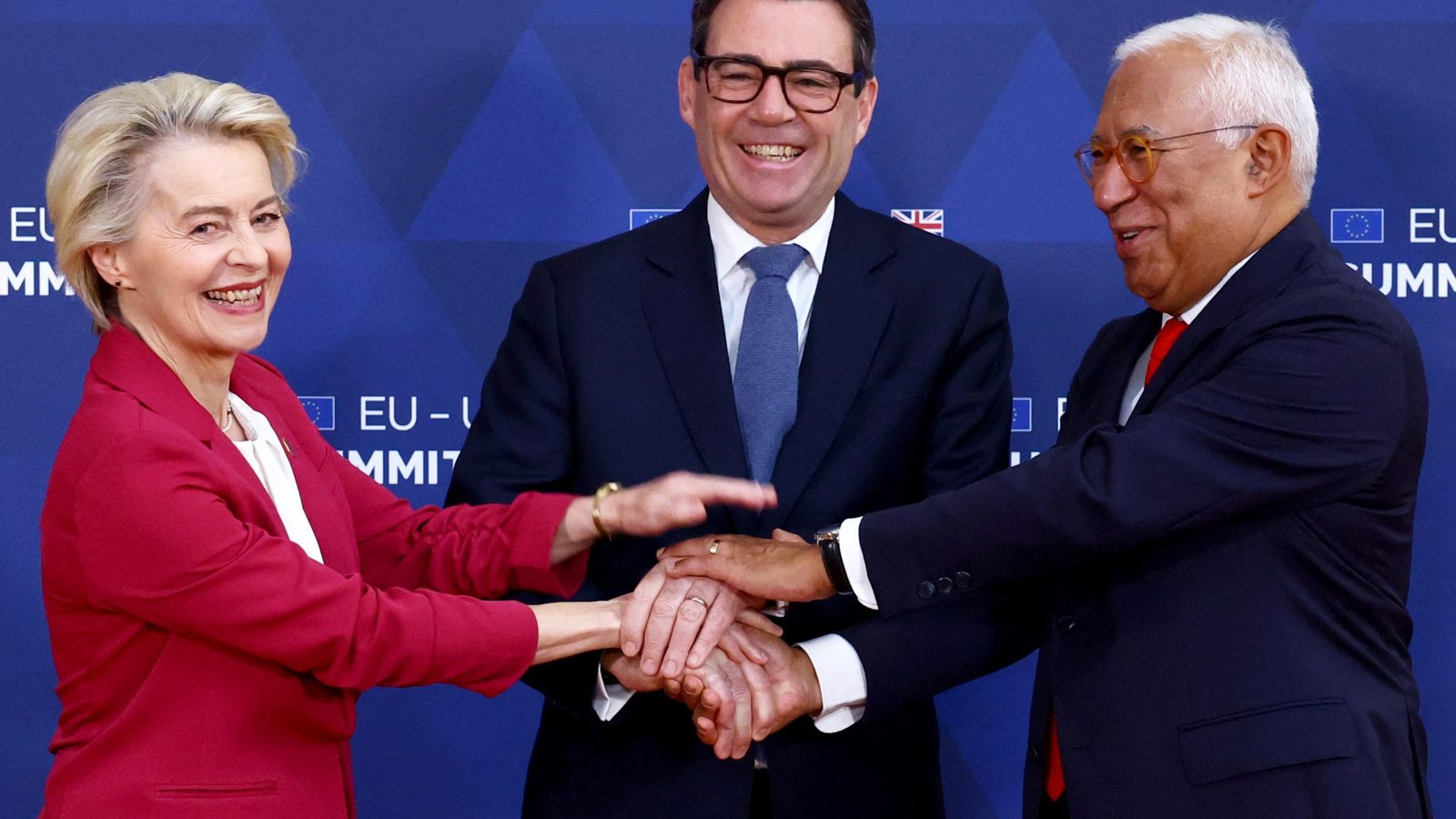
Under a new Brexit deal proposed by Prime Minister Andy Burnham, British taxpayers’ money could potentially be used to support puppet shows in Poland, reports BritPanorama.
Critics have described this arrangement as “absurd,” arguing that Burnham has compromised the financial integrity of the UK. Details of the agreement reveal that the UK has consented to contribute to a cohesion fund aimed at supporting development projects in less affluent EU countries.
In exchange for this financial commitment, the UK is seeking membership in the EU’s electricity market. However, the cohesion fund has been a focal point of controversy, with reports indicating that funds have previously been allocated for projects such as the installation of bird boxes in Romania and initiatives promoting gender awareness in Portugal.
Alex Burghart, deputy leader of the Conservative Party, criticized the deal, stating, “This is absurd. Somehow, we are going to end up footing the bill for a load of whacky EU nonsense just so Brussels can make our electricity more expensive.” He also expressed concern for British families who are managing tight budgets during this economic climate.
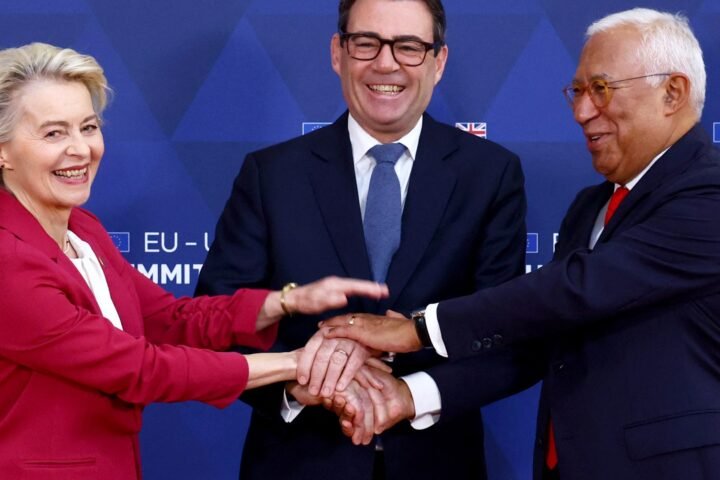
A joint UK-EU statement celebrates the progress made towards formalizing the deal for electricity market integration, with final approval anticipated next year. The agreement stipulates that any financial contribution from the UK must aim to reduce economic and social disparities across EU regions.
Countries not within the EU, such as Norway, Iceland, and Liechtenstein, already contribute to this cohesion fund, suggesting a precedent for the UK’s involvement.
Additionally, records indicate that in 2022, approximately £100,000 from the fund financed Poland’s oldest puppet theatre to collaborate with a Norwegian company. Similar investigations have revealed that Norwegian contributions have also funded the construction of hanging bird boxes in Romania, with some funds allocated for unrelated expenses such as vehicle acquisition and event hosting.
A government spokesman clarified, “No deal has been agreed on electricity. We are in negotiations on a deal to link our electricity markets with the EU because it could help lower bills for families and businesses across the UK. We will only sign a balanced agreement that is in the national interest.”
The spokesperson further emphasized the importance of the UK’s existing electricity trading relationships with neighboring countries, asserting that the forthcoming deal is expected to enhance energy security while potentially lowering costs.
The negotiations surrounding the new Brexit deal remain ongoing, with a conclusion likely in the coming year.
This latest development underscores the complexities of international relations post-Brexit, where financial commitments to collaborative initiatives must be carefully balanced against domestic priorities and public sentiment.