UK government to prioritize artificial intelligence safety
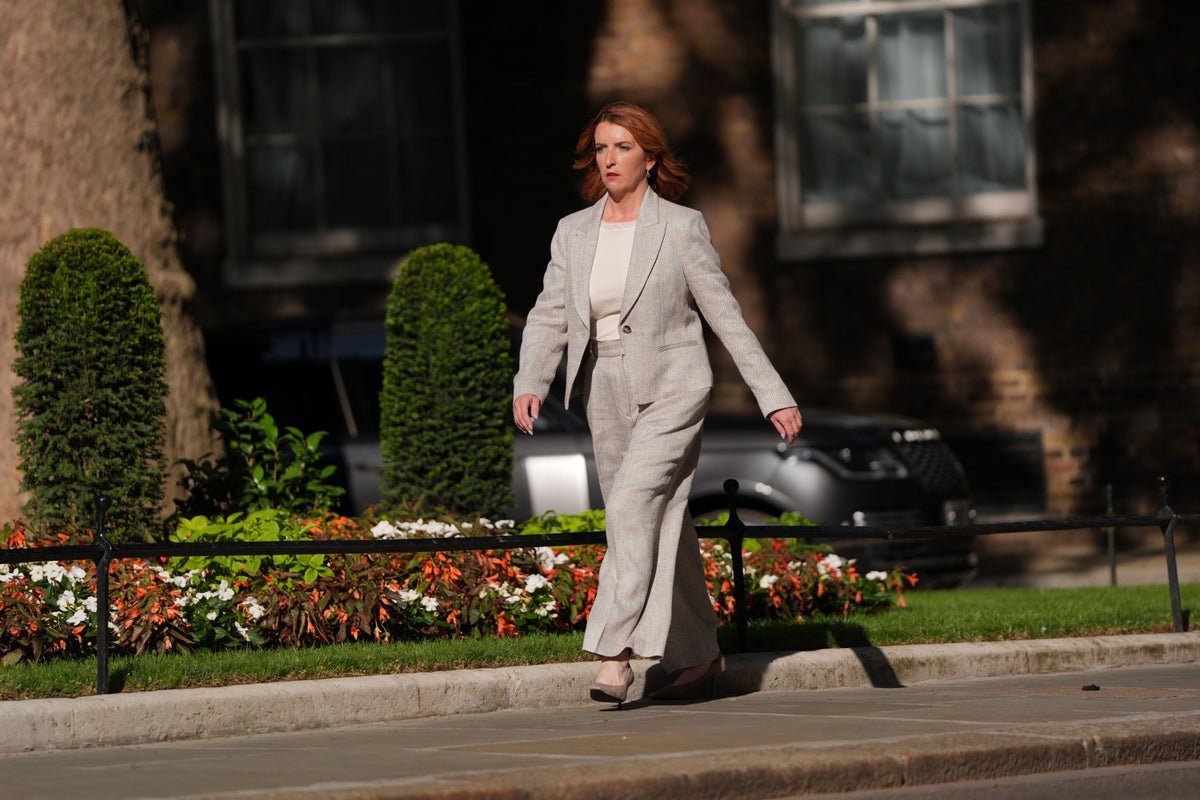
The UK government will “heed the warnings” of artificial intelligence (AI) experts regarding the risks posed by the technology, First Secretary Louise Haigh will announce on Tuesday, reports BritPanorama.
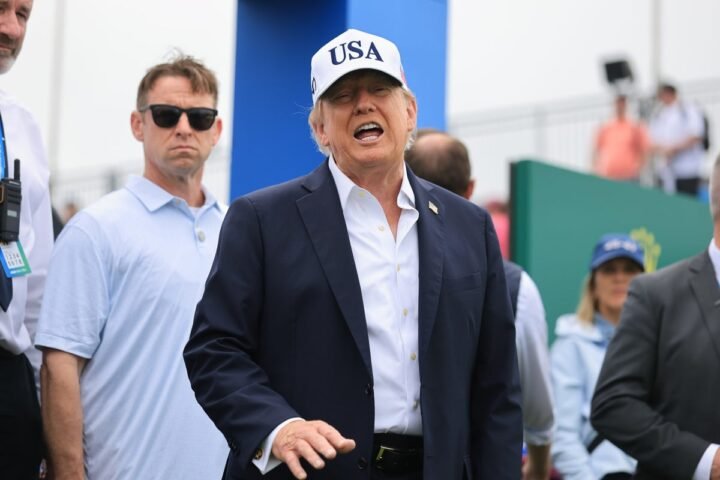
This stance sharply contrasts with US President Donald Trump’s dismissive attitude towards AI safety concerns, even when voiced by industry insiders. Haigh, serving as the de facto deputy prime minister, will express acknowledgment of the transformative potential of AI, highlighting its ability to enhance public services, stimulate business growth, and drive scientific advances.
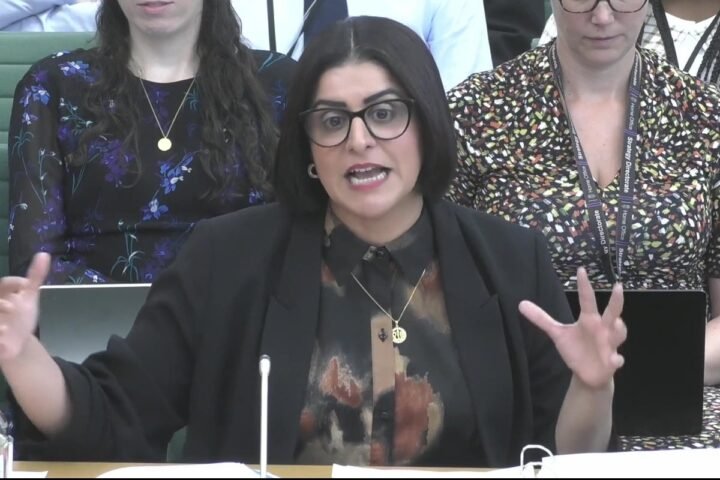
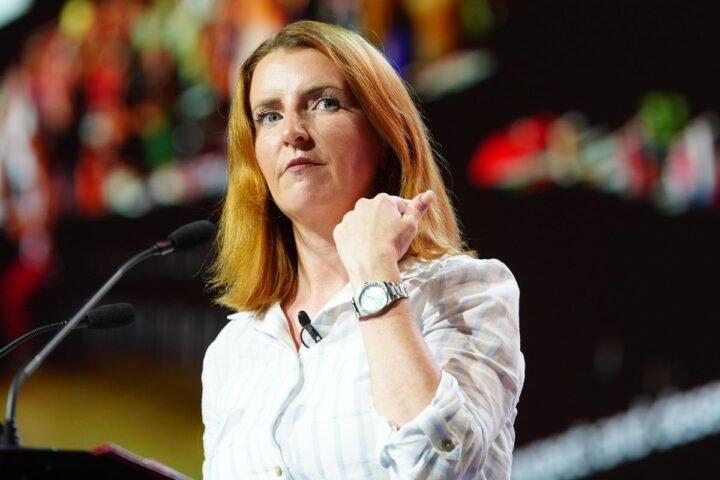
Addressing the TUC annual congress in Brighton, she emphasized that the government is ready to collaborate internationally to mitigate the risks associated with this technology. “AI has enormous potential to transform our public services, make our businesses stronger and deliver new scientific breakthroughs,” she will state, adding that ministers need to “heed the warnings of those who are at the forefront of developing this technology” to ensure public safety and national security.
Haigh’s comments come after Prime Minister Andy Burnham withdrew from the congress due to the death of his father. Business Secretary Jonathan Reynolds underscored the government’s commitment to addressing public concerns, asserting confidence in the UK’s safeguards while recognizing the complex landscape shaped by advancements primarily originating in the US and China.
“We should neither be complacent nor should we be hyperbolic about this,” he remarked on BBC Breakfast, affirming the UK’s leadership in AI safety. The Commons Business, Innovation, Science and Trade Committee has summoned the AI Security Institute to testify in Parliament on October 13 to address growing public unease.
Committee chairman Liam Byrne noted a surge in public concern about the risks linked to unregulated AI development over the past week. In stark contrast, Trump has labelled fears regarding AI as a “hoax,” even as leaders in the field express alarm over the rapid capabilities of the technology.
Concerned about potential disadvantages to US firms, Trump has resisted calls from major tech leaders—including Dario Amodei of Anthropic, Sam Altman of OpenAI, and Elon Musk of SpaceXAI—for enhanced government oversight of AI. On his Truth Social platform, he stated, “The only control or ‘guardrails’ that AI needs is a STRONG AND SMART (High IQ!) PRESIDENT, and the U.S.A. has that, in spades!”
The divergent reactions to the challenges of AI reflect not only national priorities but also the complexities inherent in navigating this rapidly evolving technological landscape.